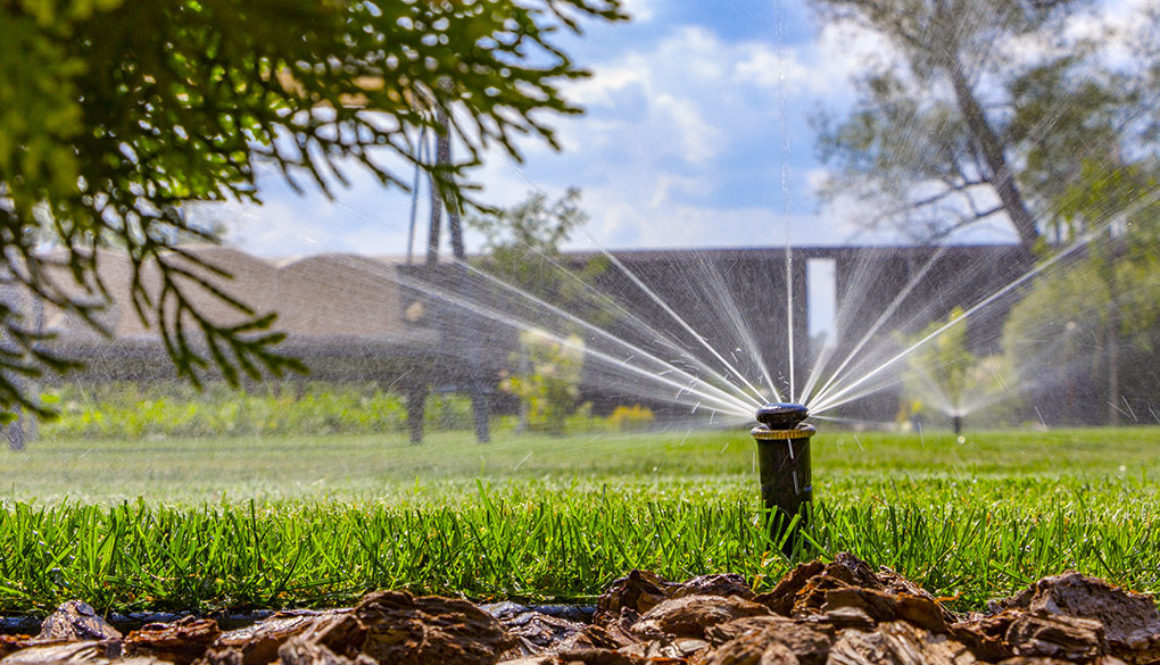
Your irrigation is a vital component in your landscape health and appearance, especially in dry or hot periods. Many systems are decades old and all systems require constant monitoring, maintenance, and repair. If you do not perform routine maintenance and repair, it will not work – no matter how much water you use. The systems are installed mostly subterranean in a dynamic environment. There are shifting and moving roots and rocks that can push up move down or break pipes, heads, valve boxes and wires and cause malfunctions. Some of the common issues are as follows:
Irrigation Valve Boxes
• Multiple people changing the settings on the box • Broken rain sensors • Broken irrigation heads • Poor water pressure • Lack of coverage • Broken pipes
A typical run cycle for a system uses 3,500 gallons. Right now, your system should be running 1-2 days a week for about 7-40mins per zone. As homeowners, it is important to watch the water usage through your irrigation system. Sometimes, five hundred square feet of new sod is cheaper than the water bill if you run enough to compensate for the tail end of the dry season. Meaning, at what point is it cheaper to let your soddie and install new sod as opposed to using all the water to maintain it. Subsequently, it is important to learn from the conditions and repair the irrigation if necessary.
Recommended Irrigation Check:
Each month your irrigation system should be run “zone by zone” in a test mode to inspect for proper coverage and/or any broken heads. Minor adjustments for improved coverage will be made on the spot at no charge, as long as they can be made within the allotted time for the irrigation check. This service is billed monthly and cost depends on the size of the irrigation system (#of zones).
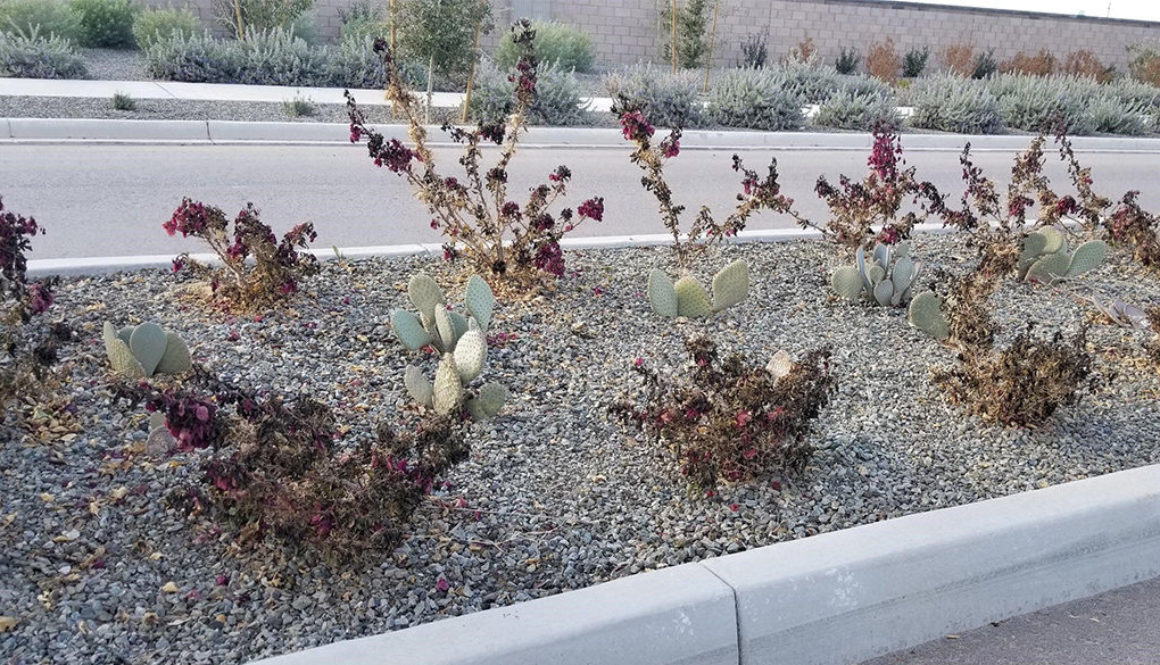
This year we have seen several nights that have endured freezing temperatures in various parts of the valley. Many communities that have been affected show brown and yellow plants throughout the property, giving the landscape a less than desirable appearance. Before bringing in your landscaping crews to start trimming back the dead branches, hold off as the frost season is still upon us.
In the Phoenix Metropolitan area, the frost season has been estimated to last from November through March, depending on where you live in the Valley. The outer east side and surrounding areas have been known to last even into April (it sounds hard to imagine, but remember that we are dealing with estimates). Below are a few tips to get you through the remainder of the frost season in your Arizona community:
Resist the urge to prune the dead, brown parts of your plants until the frost season is over. While even though the appearance of your plants is unsightly, unless the plant is completely dead it will need those brown parts for continued insulation before it begins to sprout again in the spring.
Drape sheets, blankets, or towels over your frost susceptible plants when nights are expected to be in the lower temperatures. Be sure to hang the sheet so that it covers the whole plant all the way to the ground, without tying it to the base. The loose blanket will help to trap the heat all the way around the plant and give it a stronger chance of survival while maintaining the greenness of the plant longer.
Don’t stop watering. While this may seem like an odd statement, it is, in fact, healthier for the plant to receive continued watering during the frost season. Frost damage occurs when the ice crystals formed on the leaves of the plant dry out causing dehydration. Damage from this dehydration will be less severe if the plant is not already drought-stressed. Try to keep everything evenly hydrated, without over-watering, as that can be even more harmful depending on the plant species.
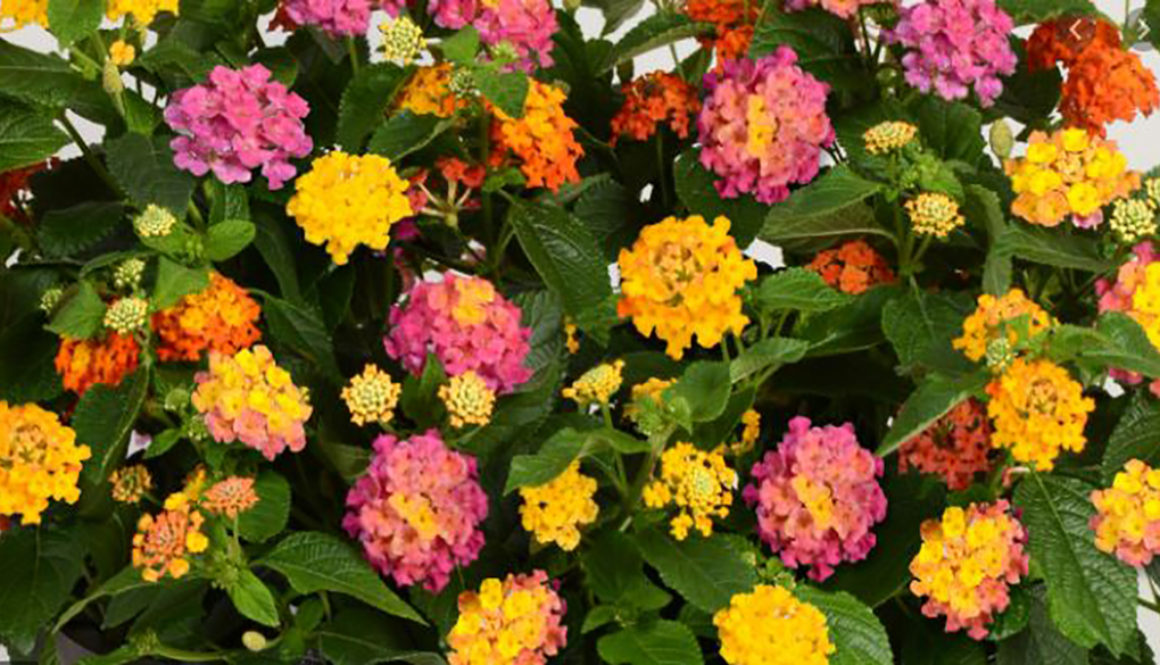
Recovery Optimal pruning methods recommend waiting until new sprouts on the plant have become visible and the threat of frost season has passed. Only prune your community’s plants and trees after new growth has begun. This way you are better able to see where to cut your limbs so as not to remove healthy, stimulated branches. Some of the plants on your property including lantanas, ruellias, baha ruellias, oleanders, orange jubilee, bougainvillea, and yellow dots are all prone to frost damage, among others, and will be not be pruned until mid-February or at the last chance of frost.
The University of Arizona has provided a more extensive version of Frost Protection methods that is worth referencing as a guide during this season and can be found HERE.
In Phoenix, landscape maintenance is an essential year-round service to ensure the beauty and quality of your property, and to protect the significant investment in your grounds.
It’s a tall order because the “growing season” here is constant. Plants thrive 12 months out of the year. Sure, snowbirds who own residences in your Phoenix HOA might only spend a few months on the property, but constant care is required to keep the landscape at their vacation homes in prime condition.
Their second homes in your Homeowners Association are designed to be turnkey, maintenance-free and ready to go when they arrive for vacation. They don’t want to think about who mows the lawn in your common areas. That responsibility falls on you as the Homeowners Association.
But don’t worry, you’re not alone in this.
When you partner with a reputable landscape maintenance provider to manage the grounds, you can focus on what you do best: provide an optimum experience for the residents.
The right landscape maintenance provider will deliver seamless service, deploy crews of experienced professionals, and truly serve as the eyes and ears of the property. If they see a problem in the landscape, they’ll flag it and fix it. If they recognize an opportunity to enhance your HOA’s landscape, they’ll provide recommendations and offer workable strategies for completing projects (including the ROI that HOAs can expect).
The right landscape maintenance provider is a true partner.
Hire the wrong landscape firm, and your Phoenix HOA will wear the signs of neglect and residents will recognize that quality is not up to par – not to mention the property values will decrease too. We know it costs more to replace plant material and renovate landscapes than to properly maintain them. Therefore, an HOA that cuts corners with landscape maintenance will end up paying more to mend the effects of hiring a provider that is not committed to their landscaping needs.
So, what should you look for when you hire a landscape maintenance provider for your Phoenix HOA? (Equally important: What are red flags that you are, perhaps, in the wrong relationship?) Read on for some advice on selecting the right provider.
What To Expect From A Quality Landscape Maintenance Provider
There are certain staples to keep in mind when selecting a provider to care for the landscape at your Phoenix HOA. First, you want to be sure the firm has the appropriate insurance and holds certifications that indicate a level of industry professionalism. The number of years in business and properties the firm currently manages will also help you determine if the sales pitch your HOA board is hearing aligns with what the landscape provider can actually deliver. (Ask for references—and call them.)
Your landscape maintenance firm should verify that employees are screened and background checked so you can trust the professionals working on your property. The landscape maintenance provider should have a rigorous training program in place and quality standards so everyone—their staff, and your board—understands what results are expected.
Your landscape provider in Phoenix should be a year-round partner that is committed to managing your grounds, from maintaining the irrigation system to mowing, pruning plants, and managing pests and disease. Additionally, the provider should have the expertise to managing high-tree trimming (palm trees), landscape design and landscape installation. Ideally, you want a turnkey solutions provider that can manage everything green and growing on your property, and then some. Remember, there are layers of maintenance tasks required to keep a Phoenix HOA property looking its best 12 months out of the year. If any services are cut, you’ll notice.
Accessibility and open communication are critical, so you should ensure that the landscape provider assigns an account manager or single point of contact to your HOA property. This person should be readily available, honest and motivated to do the best for your landscape. The account manager should serve as your community’s personal go-to, taking full responsibility for all services performed onsite.
Red Flags: Common Landscape Maintenance Missteps
There are typical signs that a landscape firm is cutting corners on your HOA’s maintenance. We see these all the time. What often happens is price becomes more important than frequency of service or scope of work. For example, an HOA wants to cut down on mowing costs so a landscaper simply does less. (Remember, landscape firms are ultimately selling time. And they need enough time to properly service your landscape.) Cutting budget means sacrificing quality. Here are some common cuts we notice on properties that are not well maintained:
Inadequate irrigation
Lack of pest management
Poor lawn care practices: fertilization, weed and disease control
Preserve Property Value: Invest In A Committed Landscape Maintenance Provider
We understand, your HOA has a designated landscape maintenance budget. And what organization isn’t seeking ways to reduce spending and better manage financial resources? This is why open communication is critical with your landscape maintenance provider. Help the company understand exactly what your goals are for the property. What results do you expect?
Agree on expectations: An experienced landscape maintenance firm will provide a clear, detailed contract that sets expectations for services. You should have honest conversations with the provider. For example, if you want green grass year-round and healthy, blooming flowers, then cutting out irrigation maintenance and trimming back lawn care will not deliver the results you’re seeking.
Ask for a designated contact: Again, we can’t stress this enough. Your landscape maintenance provider should be accessible. That’s why at ELS Maintenance, an account manager is assigned to every property as a direct contact, and division managers ensure that the work completed meets our high standards.
Go beyond basic maintenance: Finally, your landscape maintenance provider should help you realize the potential for your community. Our team acts as the eyes and ears on your property. We identify opportunities to enhance spaces and increase the value residents will gain from the landscape. We’re onsite to listen to your ideas, and share our thoughts for ways to ensure a thriving landscape at your Phoenix HOA property. It always helps when clients allocate a modest budget for minor landscape enhancements that do not require approval. That way, your landscape provider can move forward with necessary tasks to maintain the value of your Homeowners Association landscape.
Uncommon Quality & A Dedicated Team
What makes an ELS Maintenance property different is our high standards for landscape maintenance, experienced team of professionals, and a deep understanding of what it takes to keep a Phoenix landscape healthy. Homeowners Associations that entrust in our firm know their landscape maintenance is taken care of, so they can focus on their homeowners.
Let’s talk more about how ELS Maintenance meets the specific needs of Phoenix Homeowners Associations. Contact us any time at 602.243.1106, or fill out this simple form and we’ll get in touch with you.
The fragrant, beautiful flowering Bougainvillea bush makes a statement in many Phoenix landscapes. Vibrant green hedges are a defining feature, and grasses lend a textured, natural feel to properties. The growing never stops in Phoenix, so routine landscape maintenance often includes trimming plants to maintain their shape and general size.
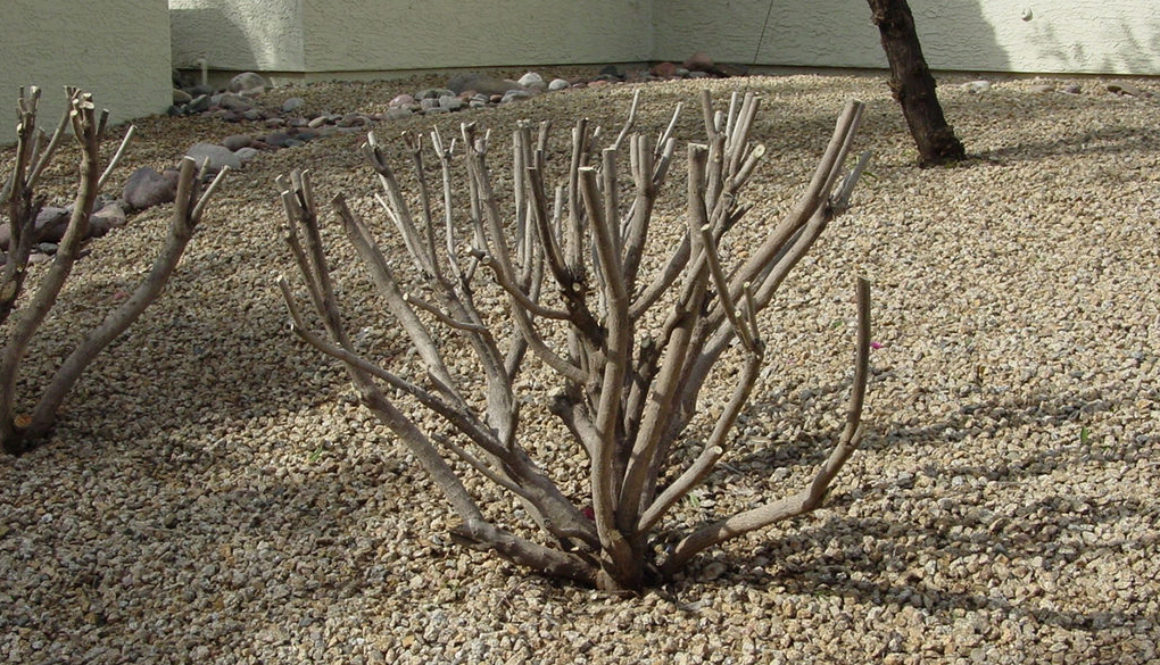
But when plants are only lightly pruned throughout the year, you’re essentially removing new growth. By trimming every few weeks, plants’ leaves and flowers never reach their full potential. Instead, you get a “nice looking” flowering plant or “just fine” shrub. We have higher standards for the landscapes we maintain, and annual rejuvenation pruning is important for achieving lush, healthy plants.
We know it seems counter-intuitive to prune back up to a foot of growth, even removing most foliage. But the reality is, rejuvenation pruning is much better for plant health and appearance than continuously trimming back.
Here’s why rejuvenation pruning is beneficial for your Phoenix landscape if you want your plants to peak perform.
Rejuvenation pruning Rejuvenates and ‘Right-Sizes’ Plants
During a season of growth, plants tend to outgrow their assigned footprint in a landscape bed. Shrubs can encroach on walkways, hedges get too tall and leggy, branches can block views and even become a safety hazard. Basically, plants outgrow their potential. Rather than looking beautiful and thriving, they take on a bushy look.
Rejuvenation pruning encourages new growth and ensures a fuller plant.
For grasses, rejuvenation pruning removes dead blades that can infiltrate the plant and prevent new growth from receiving the air, sunlight, and nutrients needed to thrive. Grasses tend to not be self-cleaning, so pruning removes old material to make room for the new.
What rejuvenation pruning does that regular pruning does NOT is give the plant a completely fresh start. After rejuvenation pruning, foliage and flowers grow back in, and this healthy rejuvenation continues throughout the year. If you prune continuously (with no hard pruning), you’re constantly taking the new inches of fresh growth off of the plant. You’ll never get to appreciate the plant’s true beauty. When clients decide to heavy prune for the first time, they are always surprised at how amazing their landscapes look—lush, green, blooming, full yet appropriately sized for their space.
When To Rejuvenation Prune (And When to Avoid It)
Fall Rejuvenation pruning should be done once a year after the excessive temperatures subside (September through November). That way plants can go into their dormant season and can have the time to bounce back properly in the spring. They will rejuvenate quickly from the pruning and efficiently produce new growth.
That said, not all plants benefit from rejuvenation pruning, so it’s important to know the growth habits and whether the plant will tolerate a hard cut-back. A small variety of plants in Phoenix do not require rejuvenation pruning because they are self-cleaning plants, meaning dead material naturally sheds so the plant looks fresh without pruning. A professional with a deep understanding of tree and shrub care will be able to identify which plants should be heavy pruned.
Why Rejuvenation Prune In Phoenix?
In Phoenix where our landscaping season is year-round, rejuvenation pruning annually is important, so hedges, grasses, and flowering shrubs can look their best. Without annual rejuvenation pruning, plants get overgrown and block views. Hedges and grasses can take over landscape beds and look messy. Flowering shrubs will not produce as many blooms if they are constantly sheared vs. rejuvenation pruned once annually to stimulate healthy plant regrowth.
If you haven’t already, now is the time to schedule rejuvenation pruning so the task can be accomplished between September and November. Don’t wait until the landscape is overgrown. The service should be properly performed to avoid over-pruning, so it requires an experienced landscape maintenance professional with a horticultural background.
Let’s talk more about how you can maintain the investment in your landscape and improve its value. Call us any time at (602) 243-1106, or click here to fill out an inquiry form and we will get in touch with you.
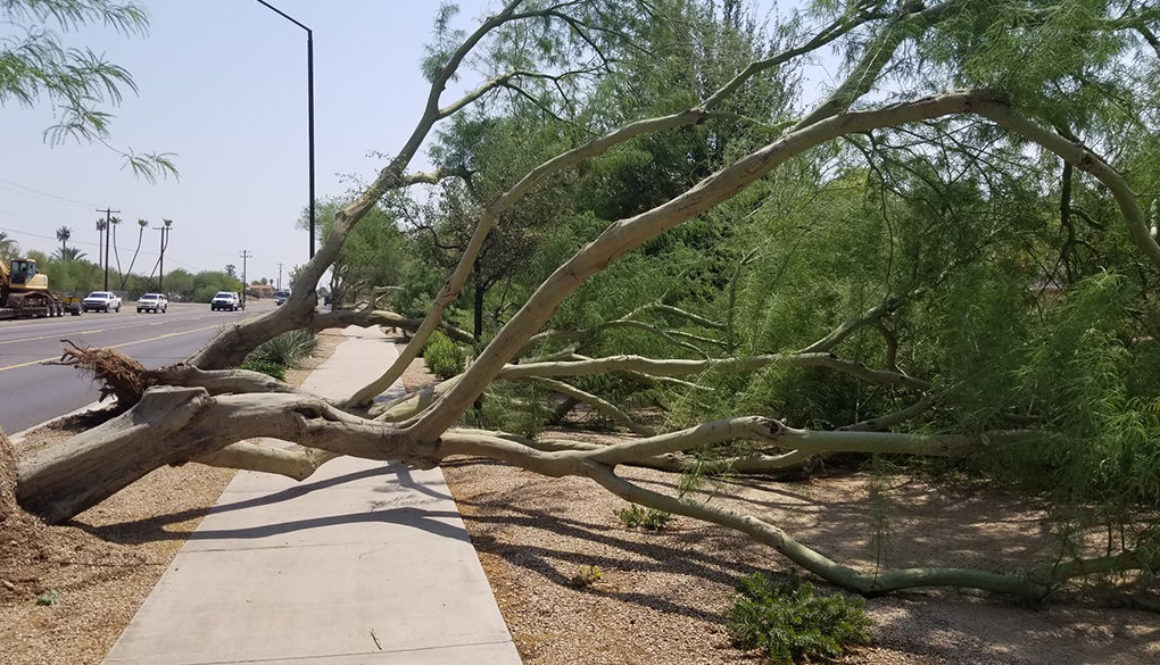
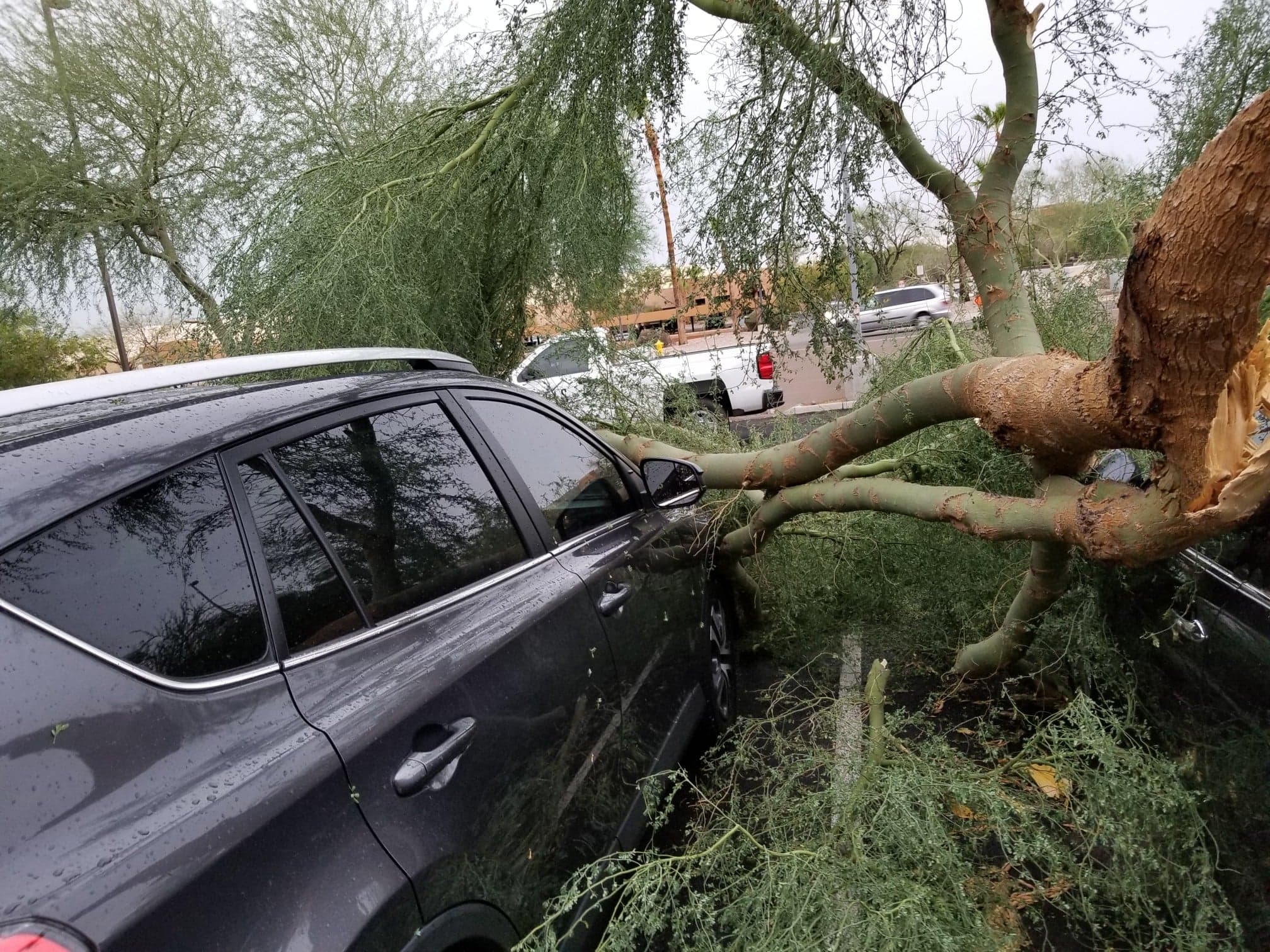
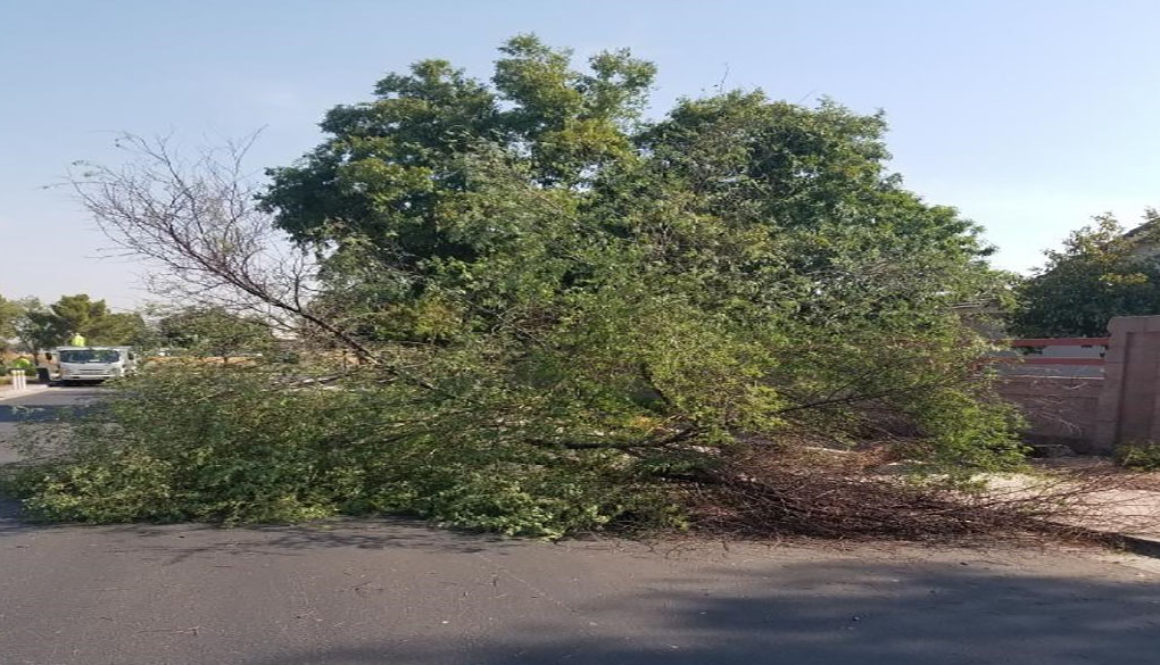
This year’s monsoons have devastated the valley with harsh winds and copious rains. Due to the excessive heat this summer and the 100 plus days with no recordable moisture this year, the desert trees fall dormant and stress, which causes their root structures to stretch to the surface to receive as much hydration as possible.
All too often we come across a community who experiences severe storm damage this time of year and didn’t properly prepare or have a plan in place for restoration. This is where budget planning comes into play. While monsoon season can be predictable as in the time of year it occurs, the strength of its storms cannot. We recently came across a property that lost over 500 trees in the past couple of storms. Yes, I said 500!!
Protect your community’s largest asset by putting a strong emergency storm damage plan in place. Queue BUDGET SEASON! Now is the time to start the discussions for forecasting potential disaster clean-up, replacement options for plant and tree material, property enhancements, etc. Speak with your landscape professional to discuss potential worse case scenario situations and start investing.
So how do I prepare? Here is a list of suggestions to help ensure your community is financially prepared for potential monsoon disasters.
Start with your landscape professional. Landscaping on a property is one of the community’s largest assets and therefore needs to be protected. Speak with your landscape professional about ways to work potential storm damage into the yearly budget and help calculate a suggested reserves deposit.
Speak with your Arbor team. Trees down are one of the most common visuals we see when the storms hit. So many factors can go into weak trees that are more susceptible to falling including, improper pruning, pest infestations in the tree and/or root structure, imbalanced chemicals in the soil, etc. By properly pruning your trees at the recommended time of year, and not just before the storms hit, will allow the tree to re-establish its weight and ground itself prior to the monsoons. It is also a critical practice to pull back drip irrigation away from the trunk of the tree as it grows to improve root growth and deter “balling”.
Speak with your Enhancements team. Another common result of monsoon storms is erosion issues. Make sure to have a plan in place, and budgeted funds set aside, for erosion issues to be repaired and the granite replenished. Other options could also be set in place to help prevent erosion from being so severe and give you a more proactive approach to maintaining your community versus reactive.
It can be challenging at times to try to forecast a community’s needs for the next year, but by speaking with the professionals, they can help guide you to make the most educated decisions for your community’s future.
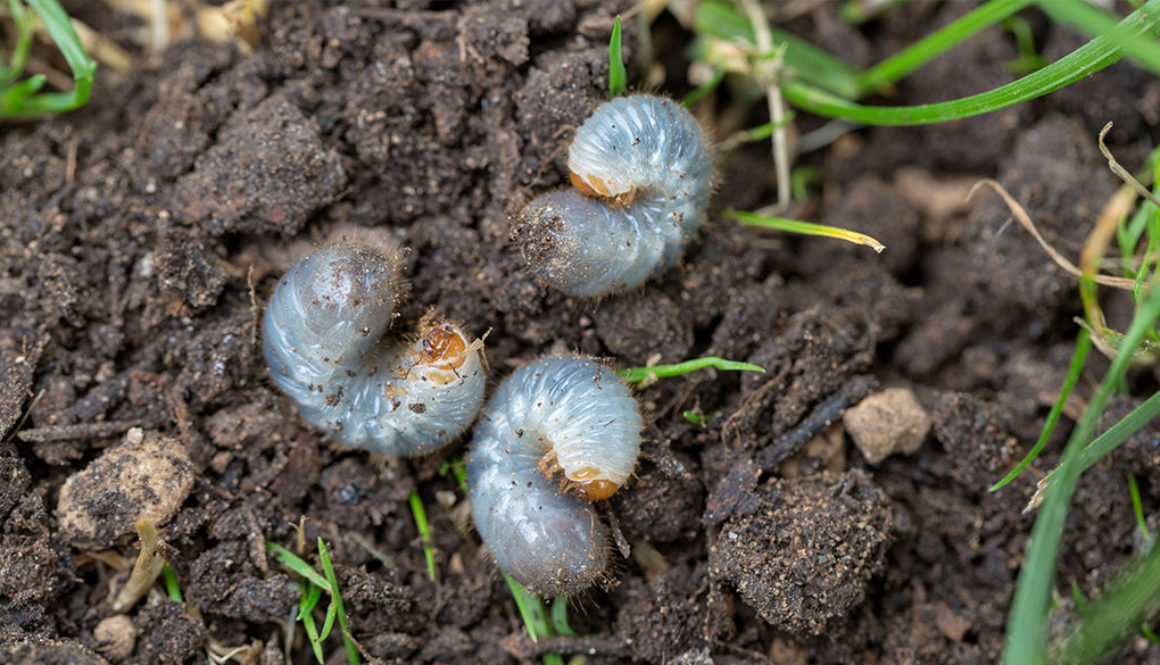
White grubs are making their presence in lawns across the valley causing gradual thinning and weakening of turf-grass. White grubs are the larval stage of scarab beetles (aka June beetles, dung beetles, and masked chafers). Arizona has many different species of scarab beetles and most of which do not cause any damage, however, there are several species that can wreak havoc on turf-grass areas and other cultivated plants.
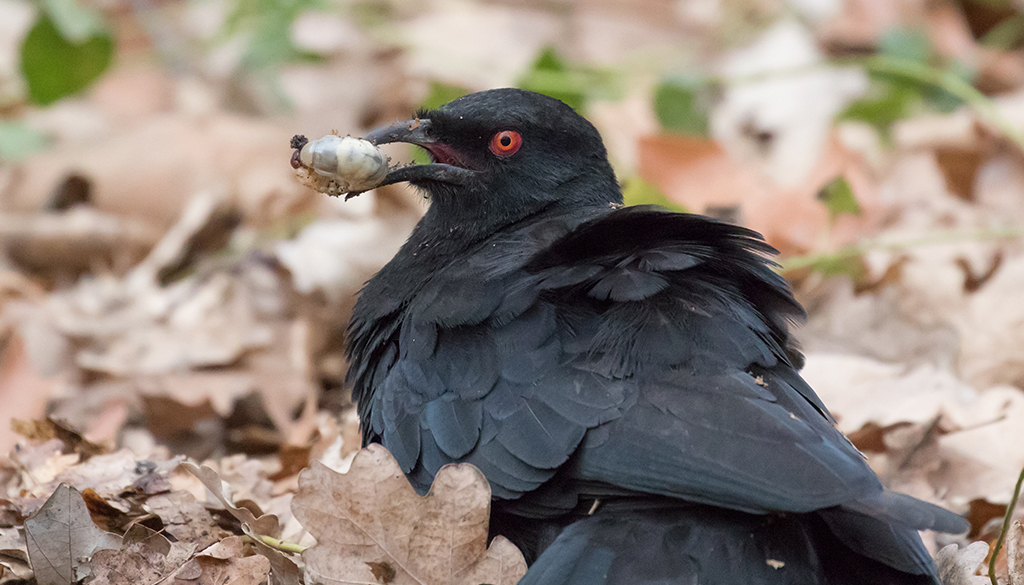
The white grub larvas start off by feeding on the turf-grass roots causing a weakening of the strand and gradual thinning. The damage may start off in small patches, gradually turning into much larger areas, even with adequate soil moisture. These grubs also attract larger animals such as birds, raccoons, and other small mammals who hunt for these insects as a source of food. These small mammals can also propose more unwarranted damage to the turf areas in your communities and lawn.
However, even though these pests can propose a problem in communities around the valley, it can be treated! There are different sources of insecticides that can treat the affected areas, reducing the amount of damage these grubs can cause. If you are seeing thinning areas in your turf, contact your landscape professional to see what options you have for treatment.
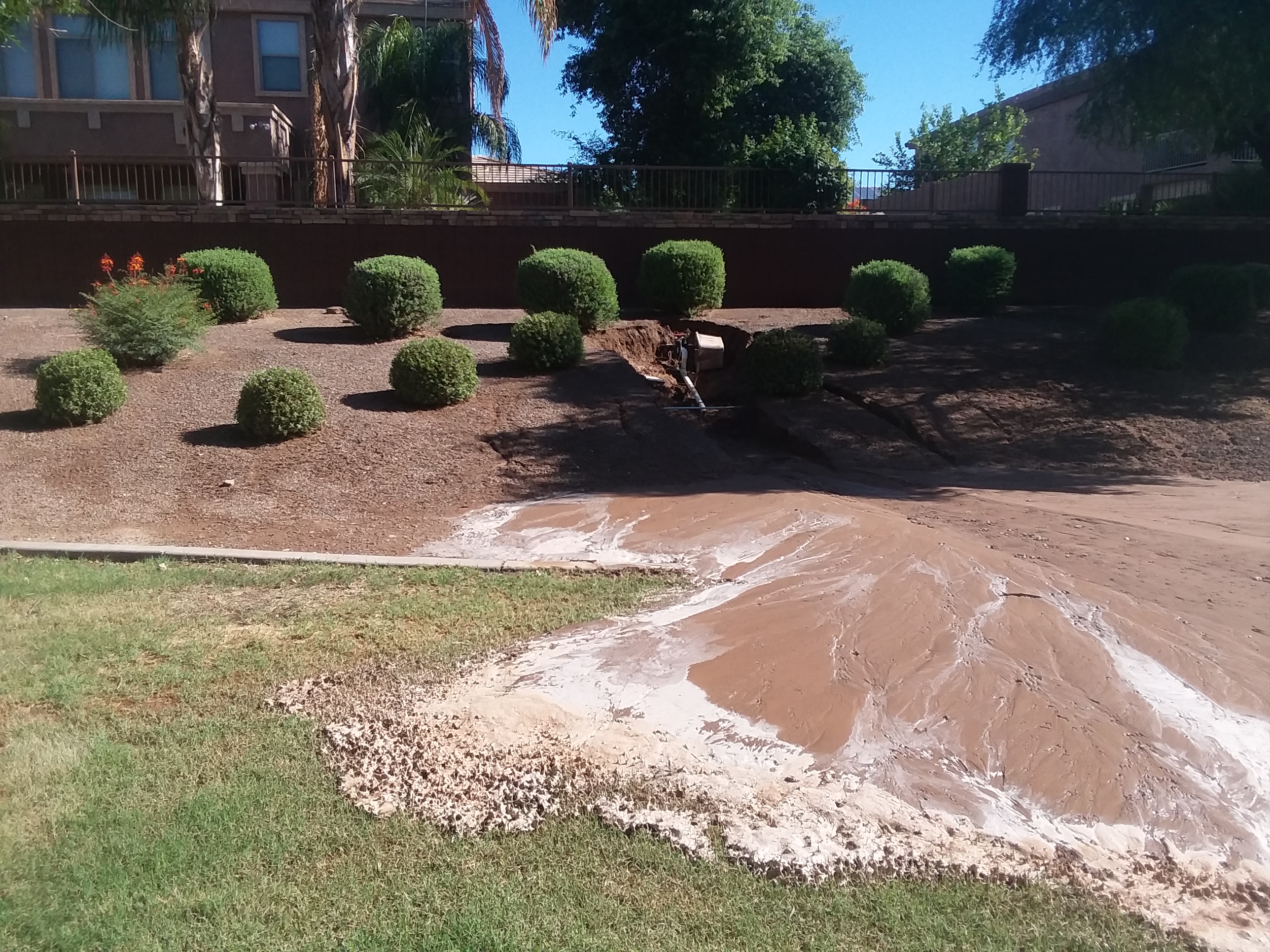
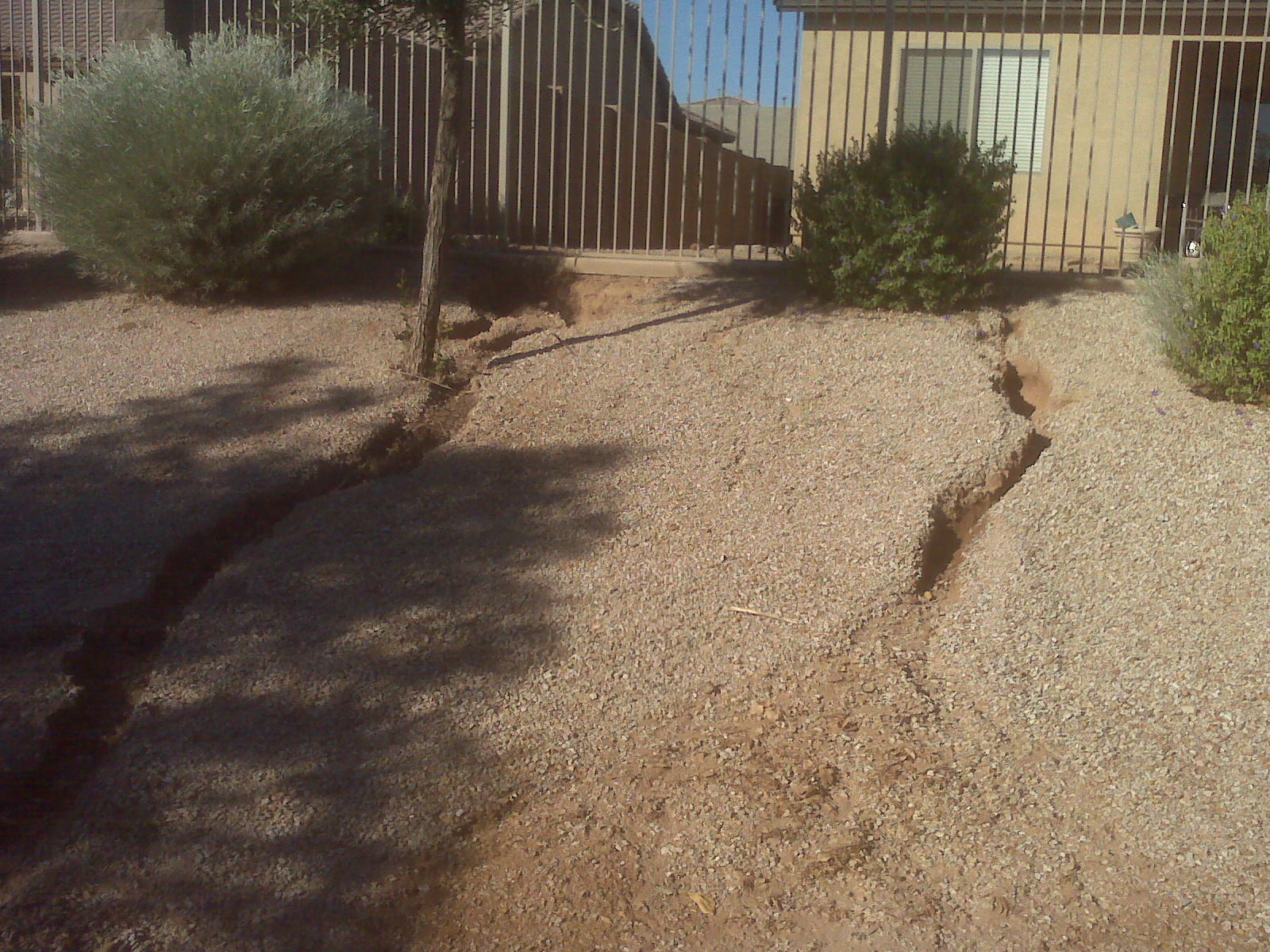
One of our country’s most famous landmarks was formed from consistent water erosion – The Grand Canyon. Although this type of soil erosion has created one of the most spectacular American landforms, when it comes to our backyards or community common areas, there’s a different story. Water erosion in our communities can become not only an eyesore but also very costly and hazardous to homeowner safety.
Soil erosion happens when heavy rains hit the overly saturated ground, loosening the soil underneath and washing it across the ground. Faulty irrigation systems or mainline water breaks can also cause erosion issues. This type of runoff can carry fertilizers, nutrients, and other types of pollutants with it, presenting a hazard of harming wildlife who drink from the larger bodies of water. Not only does erosion carry the soil where it shouldn’t be, it also proposes tripping hazards, clogged dry wells, and nutrient degradation.
Monsoon season brings not only destructive winds and dust storms but also heavy rains which can cause erosion in our dry desert landscape. Talk with your professional landscape management company to discuss any preventative measures your community can make to reduce the risks that go along with soil erosion.
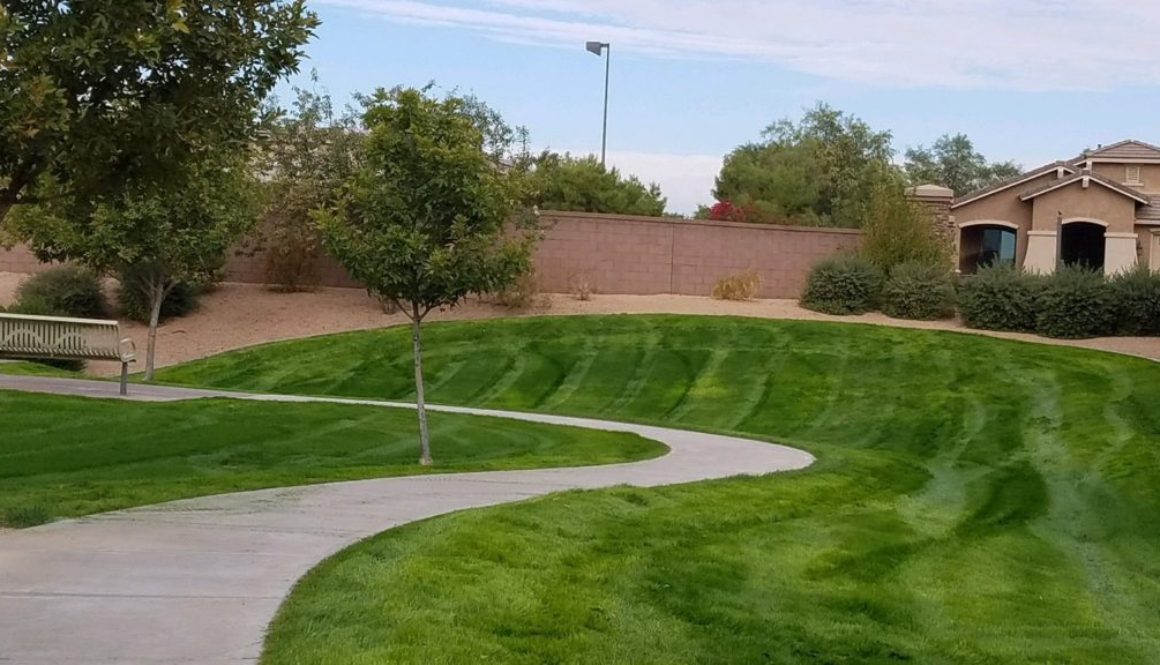
Now that the temperatures have consistently been above 65 degrees in the evenings, it is time to start phasing out the Winter Ryegrass in your community and re-vitalizing your Bermudagrass. Here in the Arizona desert, our climate calls for two different grass species; Bermudagrass in the summer and Ryegrass in the winter (should you choose to overseed). This time of year the Ryegrass starts to wilt and turn brown as it dies off for the summer and the Bermudagrass begins to sprout. There are several tips to consider when transitioning your turf so that the Bermuda will begin to emerge.
Transitioning Your Winter Rye
It is important to transition your Bermudagrass properly so that come fall overseed time, your bermudagrass will still be there, dormant and ready for revival the following spring. In order to bring it back, you will need to:
Scalp you winter rye to about 1/2 its usual length, allowing the heat from the sun to get through and stress it into submission.
Decrease your water usage to allow the Rye to die off. Bermudagrass thrives with less water and warmer temperatures, whereas Rye requires the exact opposite.
Fertilize your turf using a high ammonium sulfate fertilizer to weaken the Rye’s hold while strengthening the Bermuda’s control. It may also be a good practice to aerate your lawn to allow water, oxygen and the fertilizer to better reach the roots of your grass.
This transitional time of year may be confusing to those not familiar with our desert climate. That is why it is important to understand the anatomy of our native Bermudagrass and its transitional behaviors/requirements.
As our trees start coming out of winter dormancy, landscaping crews are gearing up for spring tree trimming season. During this time of year, it is a best practice to start reducing the tree canopies to help prevent storm breakage during the summer monsoons in July and August. By alleviating some of the end weight on heavy branches, it allows the strong winds to flow freely through the branches, reducing the strain on the trunk.
The summer monsoons can propose a lot of danger with fast winds and excessive amounts of moisture in the air. Heavy rains can cause an oversaturation of the soil, allowing for even the healthiest of roots to have a weaker hold. Fortunately, there are ways to help prepare your trees for the season.
Tips for avoiding storm damage:
Prune your trees annually, even the less mature, by professionals who understand the importance of healthy tree structure. Poorly pruned trees are susceptible to disease, allowing for snapping limbs and trunks in the high winds of the monsoon season.
Water, mulch, and fertilize your trees regularly as healthy well-nourished trees will withstand the conditions much better than an unhealthy tree.
Keeping trees thin is essential to storm-proofing to the best of your ability. There is no way to control mother nature, but you can take steps to minimize her damage during our desert monsoon season.
Properties around the valley are currently experiencing a heavy infestation of Aphids on their plants and trees in their communities. Aphids are a small soft-bodied insect that can vary in size and color. They act as a plant parasite, sucking the nutritious sap from flowers, leaves, stems, and sometimes even roots, robbing the plant of water and essential nutrients.
The first sign your property may have aphids is a colorless and sticky substance on leaves below where they are feeding. The substance that is excreted from the insect are sugars from the plant host that can start to show up on grasses, leaves, even your car – basically anything underneath the insect.
Due to the aphid activity on ornamental trees, it seems the plant health of the trees are declining, resulting in yellowing, wilting, leaf curl, and stunted plant growth. Although aphids are usually not harmful in moderate outbreaks, we are seeing a heavy infestation on the properties and their surrounding areas, which can lead to harmful consequences such as virus transmission and decay.
Outbreak Management
Although plant fatality is uncommon due to an aphid outbreak, it is still a possibility. However, there are numerous natural ways to help manage the severity of the outbreak.
Check your plants regularly for aphids – by monitoring your plants at least twice a week it is possible to catch the infestation early so that you can prune them out or knock or hose them off.
The release of natural enemies – there are several predators that feed on aphids including lacewing larvae, soldier beetles, syrphid fly larvae, and the most well-known lady beetle adults and larvae.
Ant management – ants are known protectors of aphids as they are a great food source for them. If you come across ants crawling up aphid-infested trees or plants, apply a band of sticky material, such as tanglefoot, around the trunk to prevent them from crawling up.