Does Your Tree Have Slime Flux?
The Sonoran Desert’s summer is always a test of strength for its landscape plants, including trees of all types and sizes. This is typically the time of year when underlying health issues come to a head and are impossible to ignore. A common ailment that affects trees is a bacterial infection called “Slime Flux.” It’s usually not fatal, but it’s almost always a sign of other stressors that could eventually lead to a tree’s death if not dealt with.
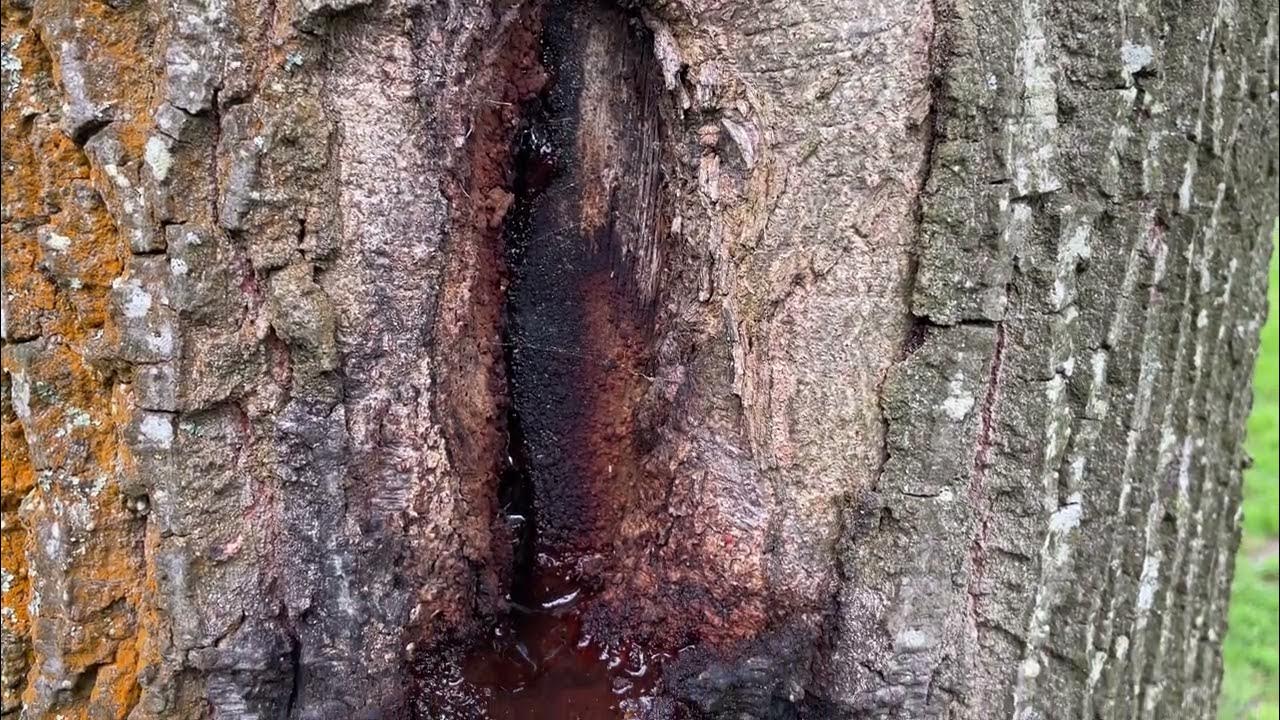
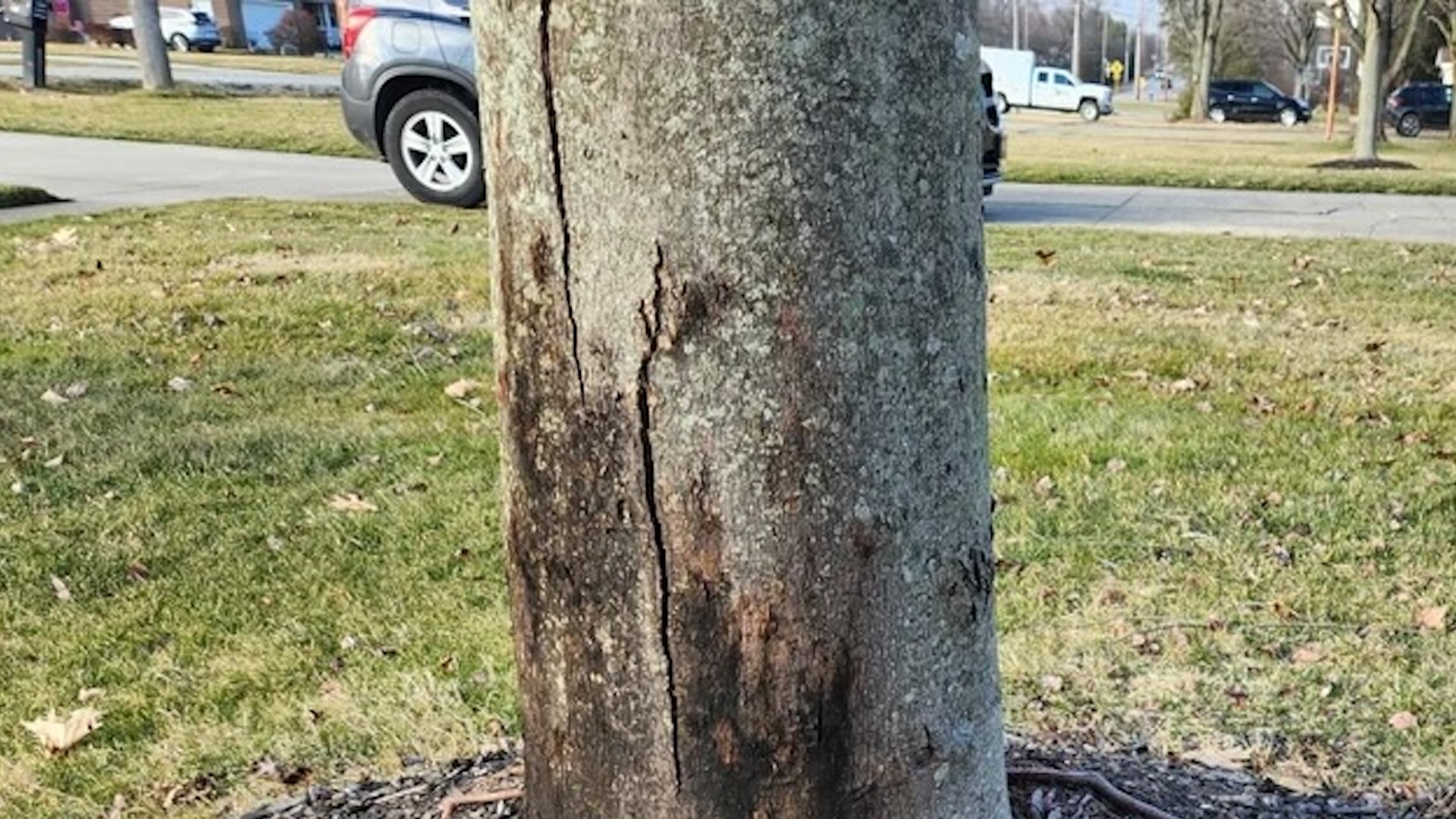
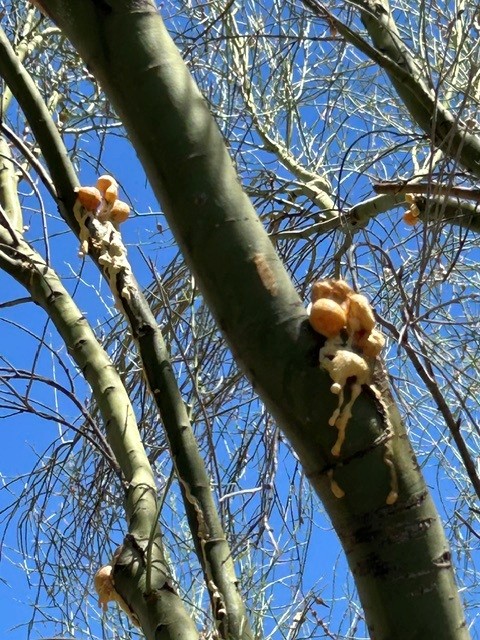
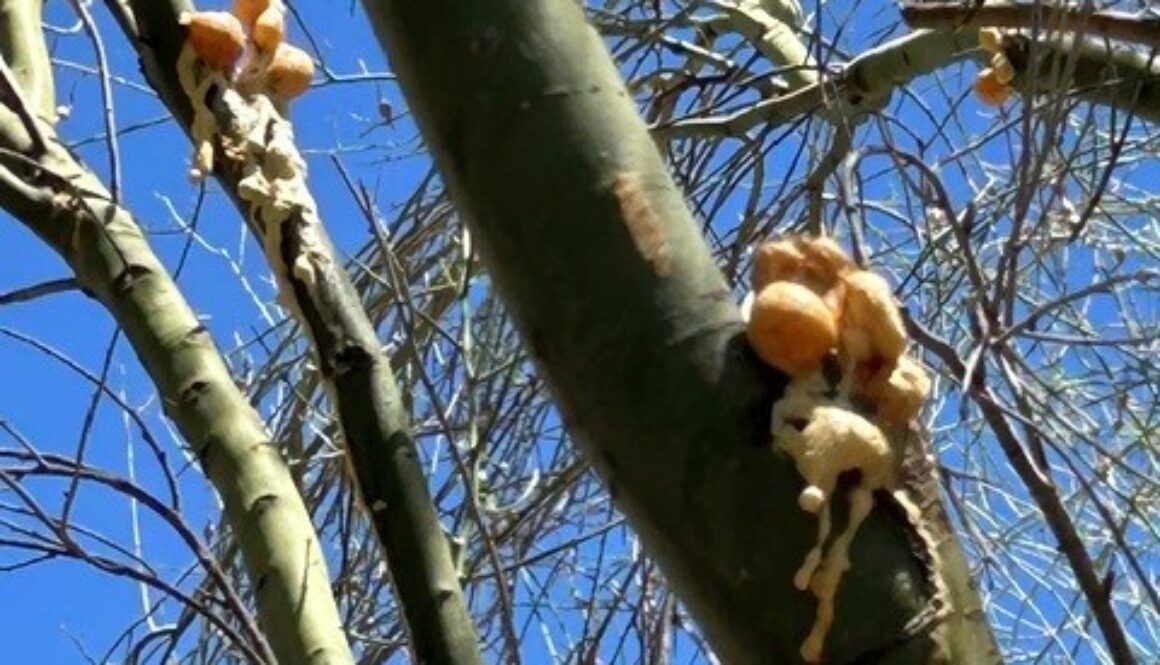
How do you know if your tree has Slime Flux? Look at the bark of your tree, and check for dripping sap. Sap itself is not a sign of Slime Flux, but if there is excessive sap coming from cracks in the bark, it could be a sign. If you look closer at the bark and see what look like wet stains caked into the bark and running down it like a coffee stain, this is another sign. This is called “wetwood,” and is what gives Slime Flux its other name: “Bacterial Wetwood.” The color and texture of the sap can be a telling sign as well. If the sap is relatively translucent and hardens quickly, it’s likely to be normal. But if the sap is colored a darker brown/black or a sickly yellow (depending on the species) this is more likely to be Slime Flux (or a related bacterial condition called gummosis). If the sap hardens quickly and turns to a more neutral color, it may be normal sap. If the sap remains foamy, sticky, and/or liquidy for a long time, there’s a good chance that it’s Slime Flux.
So what is Slime Flux, really? All trees have bacteria inside of them, typically at sustainable levels maintained by the trees’ immune systems just like animals. But if something happens to a tree’s immune system that weakens it, the internal bacteria can bloom to huge populations, consuming the tree’s sap from the inside at high rates and releasing gases. These gases build up pressure inside the tree. The “wetwood” typically appears first, essentially as bruises showing on the surface of the bark, especially on smooth-barked trees. If the pressure builds high enough, the bark itself can crack and form lesions. From these lesions, the fermented sap consumed by the bacteria starts to leak out, creating the most visible symptoms of Slime Flux.
Slime Flux itself is not fatal. Trees can often recover from it naturally if their conditions and immune systems improve. That recovery, however, can really only happen if the underlying stressors that caused it in the first place are handled. This usually has to do with roots, whether water stress, root damage from human activity or weather events, changes to soil condition, etc. If the underlying cause of Slime Flux is not handled quickly, the lingering wounds are perfect openings for other pests to get in such as beetles, fungi, and other bacteria or viruses. The best bet is to call a certified arborist to investigate the situation. Every individual tree has its own context, and it’s best to have a professional check thoroughly to create the most scientific and beneficial plan of action.
At ELS Maintenance & Construction, we have an entire dedicated Arbor Division that can prevent, identify, and treat health issues in landscape trees using the latest best practices and science. If you know of a community or commercial center that needs new landscapers, email robbie@evergreenaz.com and we can get started!