
Preparing Your Fall Garden in Arizona
The fall growing season is one of the most famous aspects of landscaping and gardening in the Sonoran Desert, and it’s one of the reasons people moved to Arizona throughout its early history. The timing can be quite fickle, though. Sometimes the monsoon and 110-degree days persist until mid-October, sometimes freak frost incidents can happen as early as November, and sometimes there’s no frost at all. This makes planning and successfully executing a fall garden crop involves being on your toes and ready to pivot if necessary.
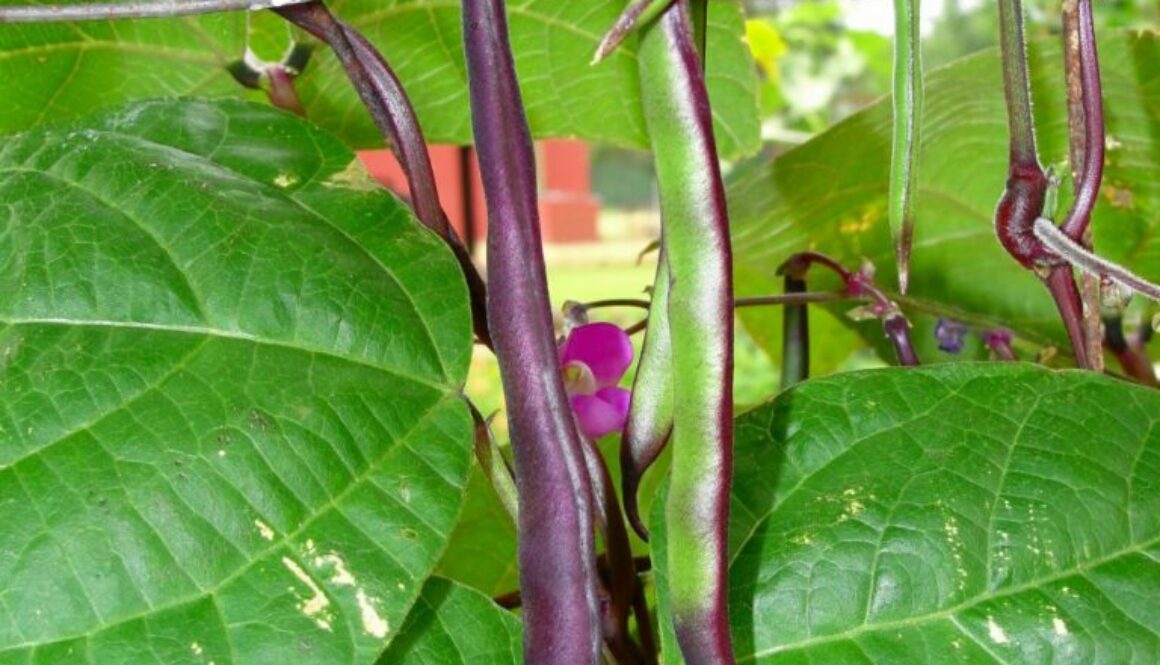
Right off the bat, choosing crops that do well in Arizona are going to give you the best chances of success, and some of these should have their seeds sown while it’s still hot outside. All three of the components of the traditional “Three Sisters Garden,” Corn, Beans, and Squash, have fall/winter harvests if the seeds are sown during the monsoon season. Crops of these types, and many other Arizona-native food plants are sold online at www.nativeseeds.org and are going to do better than the average seeds you’d buy at a hardware store just by nature of them being meant for our climate. If the monsoon already appears to be over, it’s time to plant cool-season crops intended for a winter harvest: the cool-season food plants. Lettuce, radishes, carrots, cilantro, chives, broccoli, etc. all tend to do great in the Arizona cool season.
One of the most important things to prepare when setting up a crop is the soil. One of the biggest killers of young food plants is root rot, typically caused by a combination of fungal imbalance and compaction in the soil the seedlings grow in. A great way to reduce soil compaction is to use a good soil medium in the first place. Adding natural materials with lots of air pockets, such as pumice and perlite, is a great way to ensure that air can reach deeper into the soil to help roots breathe. The soil itself often needs to be more aerated than what you’d typically find in a bag sold as “garden bed soil.” In addition to pumice and perlite, you may benefit significantly from using “cactus mix” as your primary soil material, especially if your garden bed has a history of root rot issues. The big difference between “garden bed mix” and “cactus mix” is that cactus mix contains sand, pumice, perlite, and other loamy broken-up rock materials that improve air and water flow and prevent unwanted water retention and drain clogging.
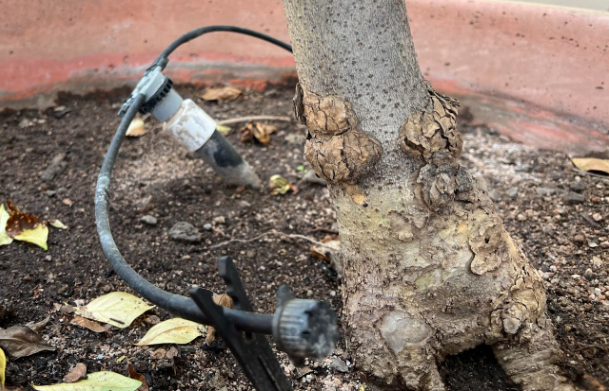
Next, you’ll need to set up your watering schedule. This can vary quite significantly depending on the weather, how shady or sunny the garden space is, how much leaf debris regularly falls from trees into the garden bed, how aerated the soil is, and what crops you plant. There’s no specific set of watering frequency and duration that would work for every garden, and the schedule should change as the weather cools. The goal is to apply water often enough that the crops aren’t wilting from under-watering or rotting from overwatering, and that the water they receive is sufficient to support their maturation of the fruits/harvestable vegetation.
One other major component is fertilizer. Different crops require different macro- and micronutrients. For example, beans and other legumes often don’t require any supplemental Nitrogen, as they produce their own Nitrogen in their roots. Squash and other melons often run out of Potassium faster than other nutrients. Corn depletes most nutrients from the soil rather quickly. Look up what kind of nutrients your crops tend to lack, and you can strategize your fertilizing patterns. You can even plant crops that use up different nutrients in the same bed (as the Three Sisters Garden is designed to do) so that the plants can work together more than compete. It’s also recommended to use organic fertilizers rather than chemical ones. Organic fertilizers cause less root burn and are easier for plants to absorb into their system.
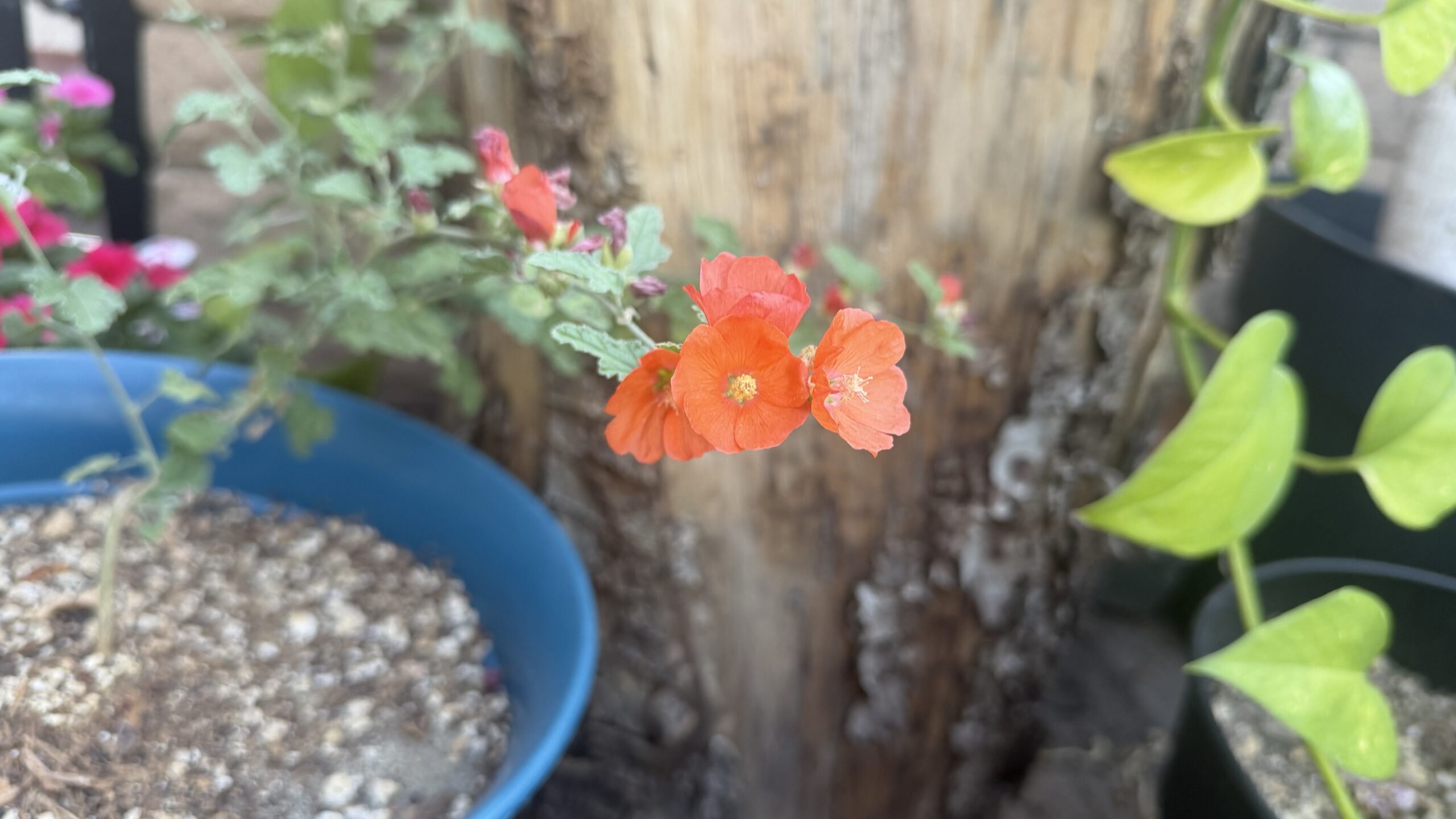
At ELS Maintenance & Construction, we plant season-appropriate flowers at entrance monuments and other large pottings as part of our typical services at HOA communities. If you know of a community or commercial center that needs new landscapers, email robbie@evergreenaz.com and we can get started!