
Preventing Javelina Damage in Arizona Yards


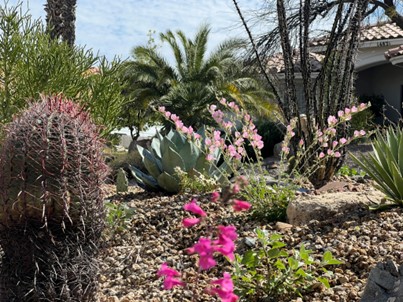


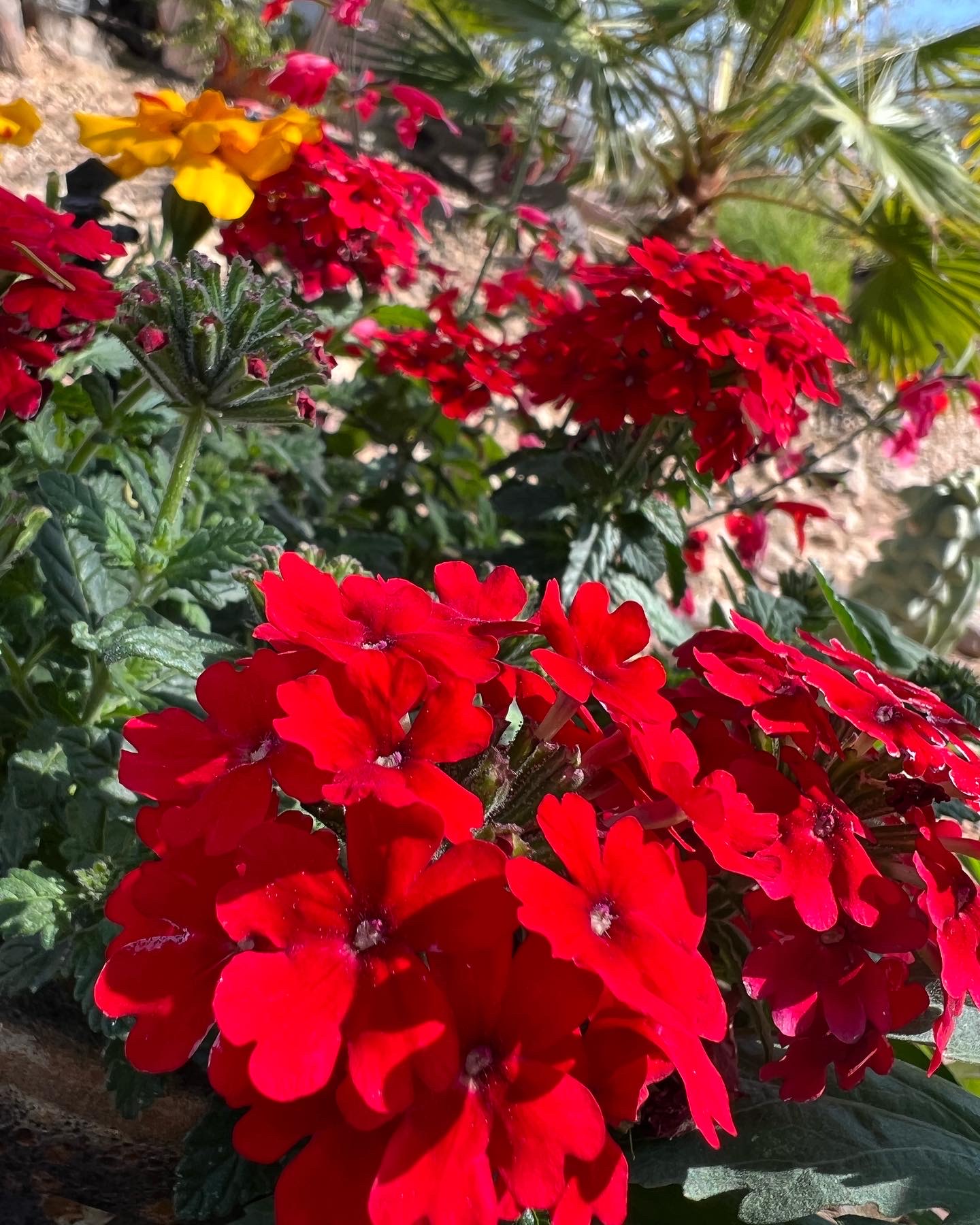
The Arizona summer presents many challenges due to the weather. The heat can kill plants, or at the very least, weaken their immune systems. When plants are weakened and the weather is hot and dry, desert animals such as rabbits, kangaroo rats, and javelinas come in to eat them up. Javelinas are known for causing some of the most notorious damage if you live in a neighborhood where they are present. They can eat young shrubs, weak bushes, and even entire cacti if they are experiencing drought conditions. Sometimes they can even throw around gravel and knock over trash cans, creating huge messes. While we shouldn’t be mad at the javelinas themselves (it’s a hot summer and they’re just trying to survive like all of us), there are some things we can do to make them less likely to mess with landscape plants in the first place.
The first major preventative measure that can be taken against javelina damage is to install plants that they won’t eat. Some have unpleasant tastes, and some are actively poisonous when consumed, so ask a professional about your planting choices if you have a pet that likes to chew on random things. Any plant in the Euphorbia Genus is too poisonous for javelinas to eat; including Firesticks (Euphorbia tirucalli), Candelilla (Euphorbia antisyphilitica), and many more. Flowers in the daisy family are usually left alone as well, with some being poisonous and others just unpleasant-tasting. Blackfoot Daisies (Melampodium leucanthum), Damianitas (Chrysactinia mexicana), and Euryops Daisies (Euryops pectinatus) are some classics that are typically left alone. Sonoran Desert native shrubs such as Creosote (Larrea tridentata), Triangle Bursage (Ambrosia deltoidea), Jojoba (Simmondsia chinensis), and Brittlebush (Encelia farinosa) are usually left alone as well. Flowers like Vincas and most types of Lavender are generally considered javelina-proof too. The list goes on!
If you have plants already installed that are frequently tormented by hungry javelinas, another strategy is to sprinkle natural substances. Javelinas’ main sense is smell, so a strong smell can keep them away. Spices such as cayenne pepper, garlic powder, and onion powder will keep javelinas repulsed until the next rainstorm comes, but after that these will need to be re-applied immediately for best results. If you don’t want to waste your spices, you can also buy containers of granular Coyote Urine at most nurseries. The smell of predators will keep most javelinas away for up to a month, or until some good rainstorms wash away the scent.
None of these strategies are 100% guaranteed to keep the javelinas away, especially if the summer is particularly hot and dry. If they get particularly desperate, they may still uproot a poisonous plant just to double-check if anything under the soil is worth eating. Javelinas are a part of the Sonoran Desert ecosystem, and it’s best to leave them alone and let them live their lives. Some people even create javelina gardens, spaces with large bushes full of things that javelinas like to eat to keep them from having to resort to messing with the more precious landscape items. Most yards don’t have enough open space for that, though.
At ELS Maintenance & Construction, we identify pest damage and work to mitigate or prevent it wherever it is spotted. If you know of a community or commercial center that needs new landscapers, email contactus@evergreenaz.com and we can get started!