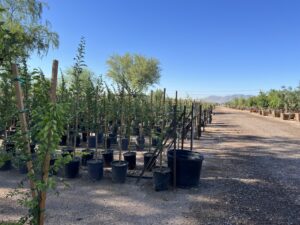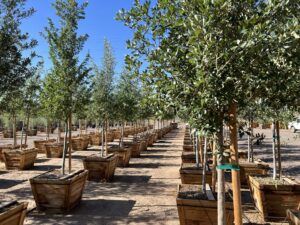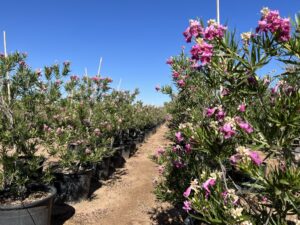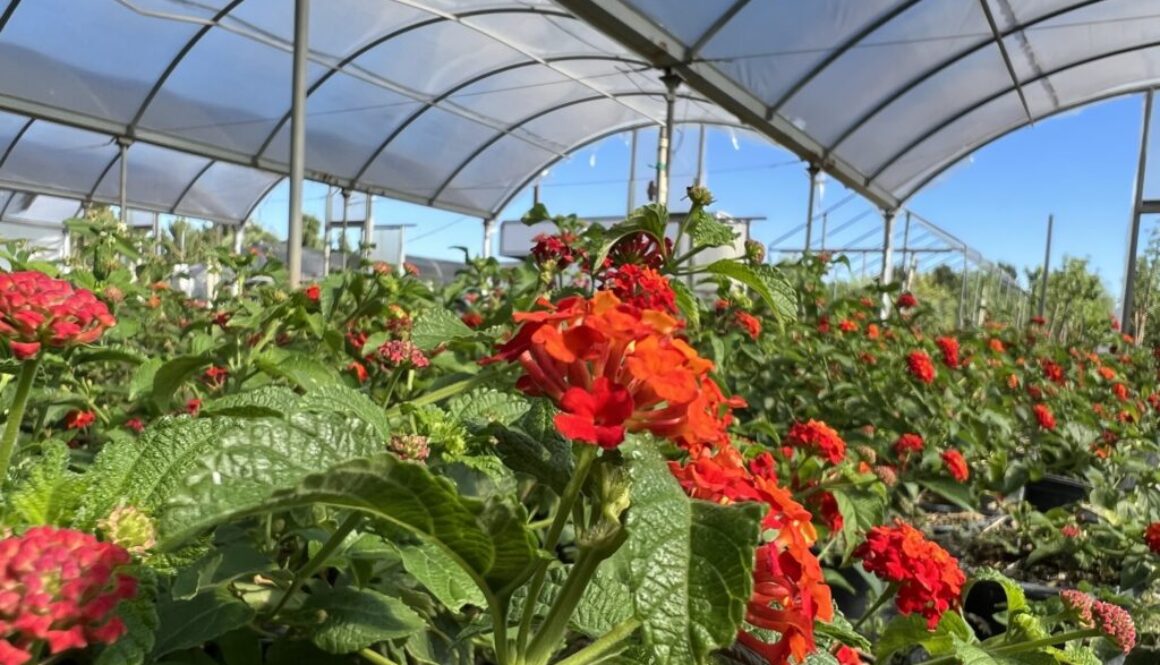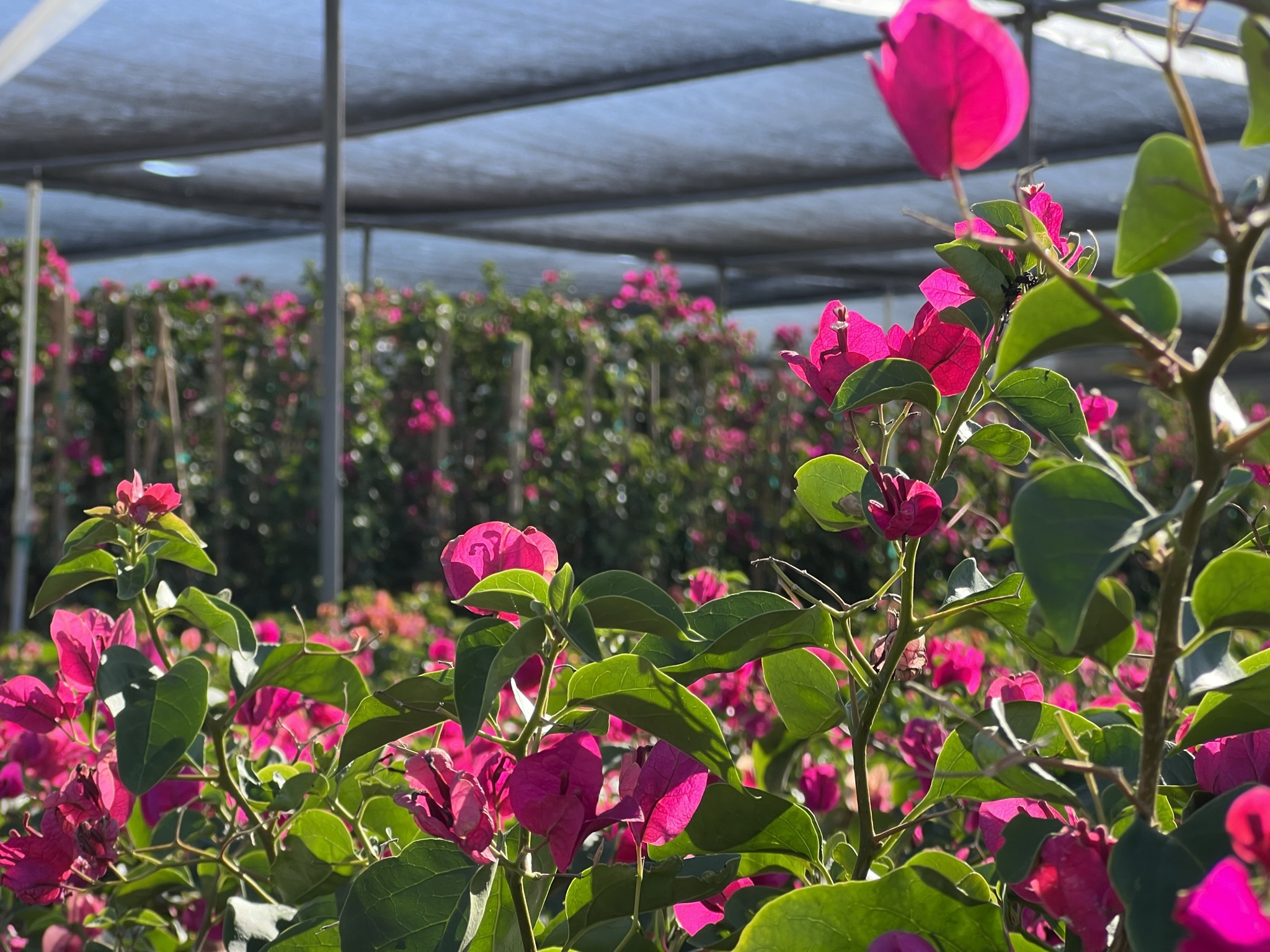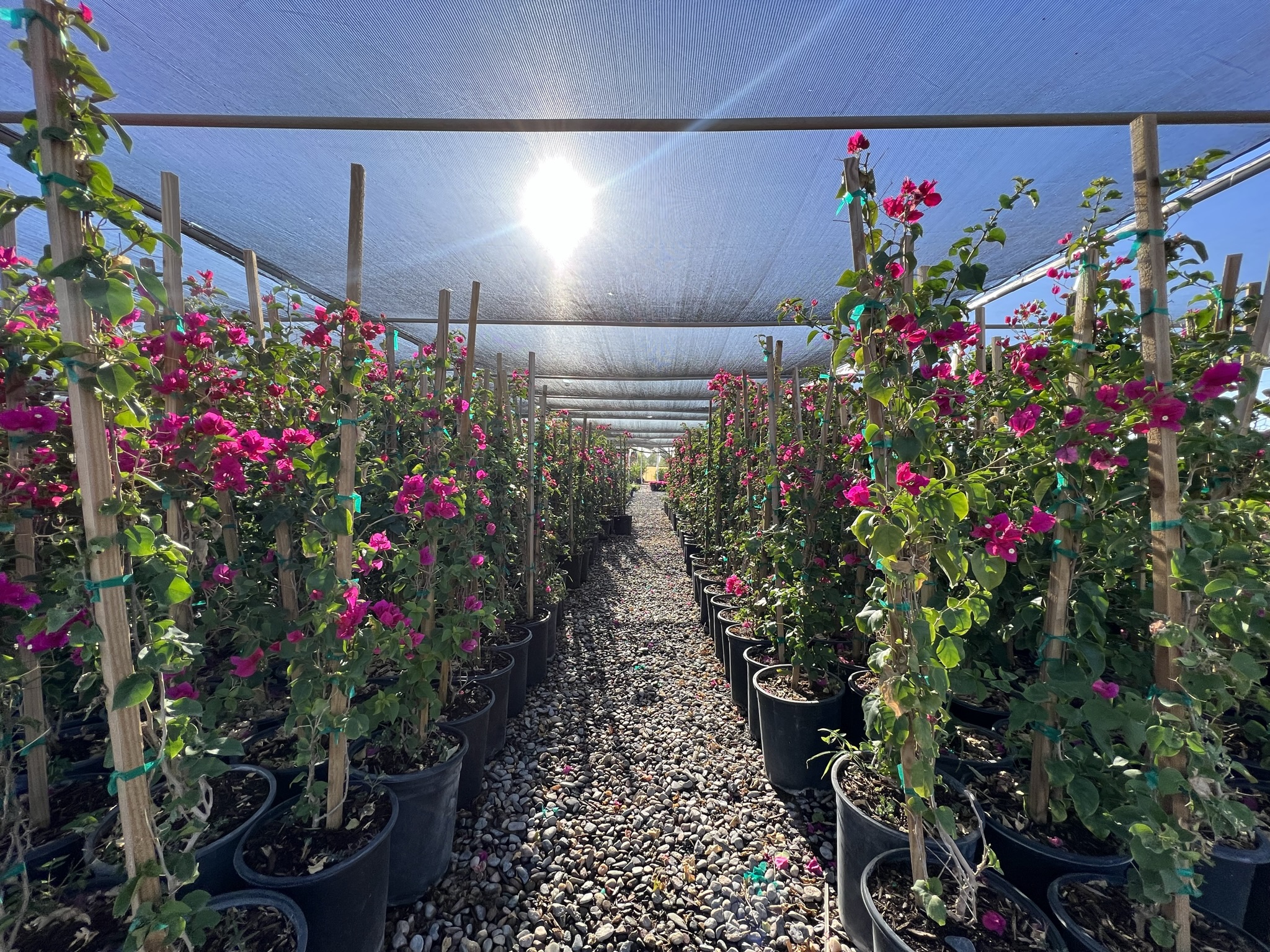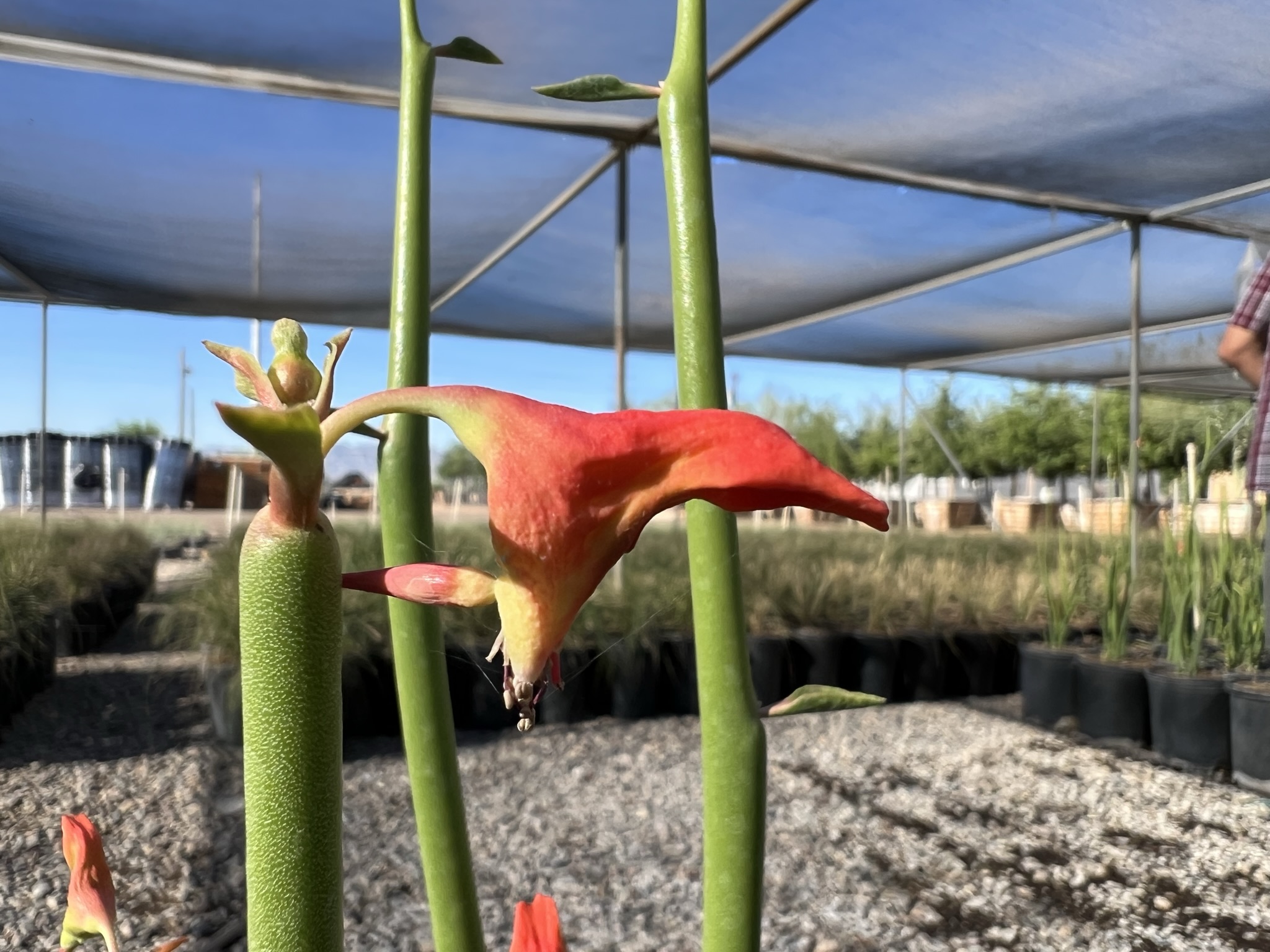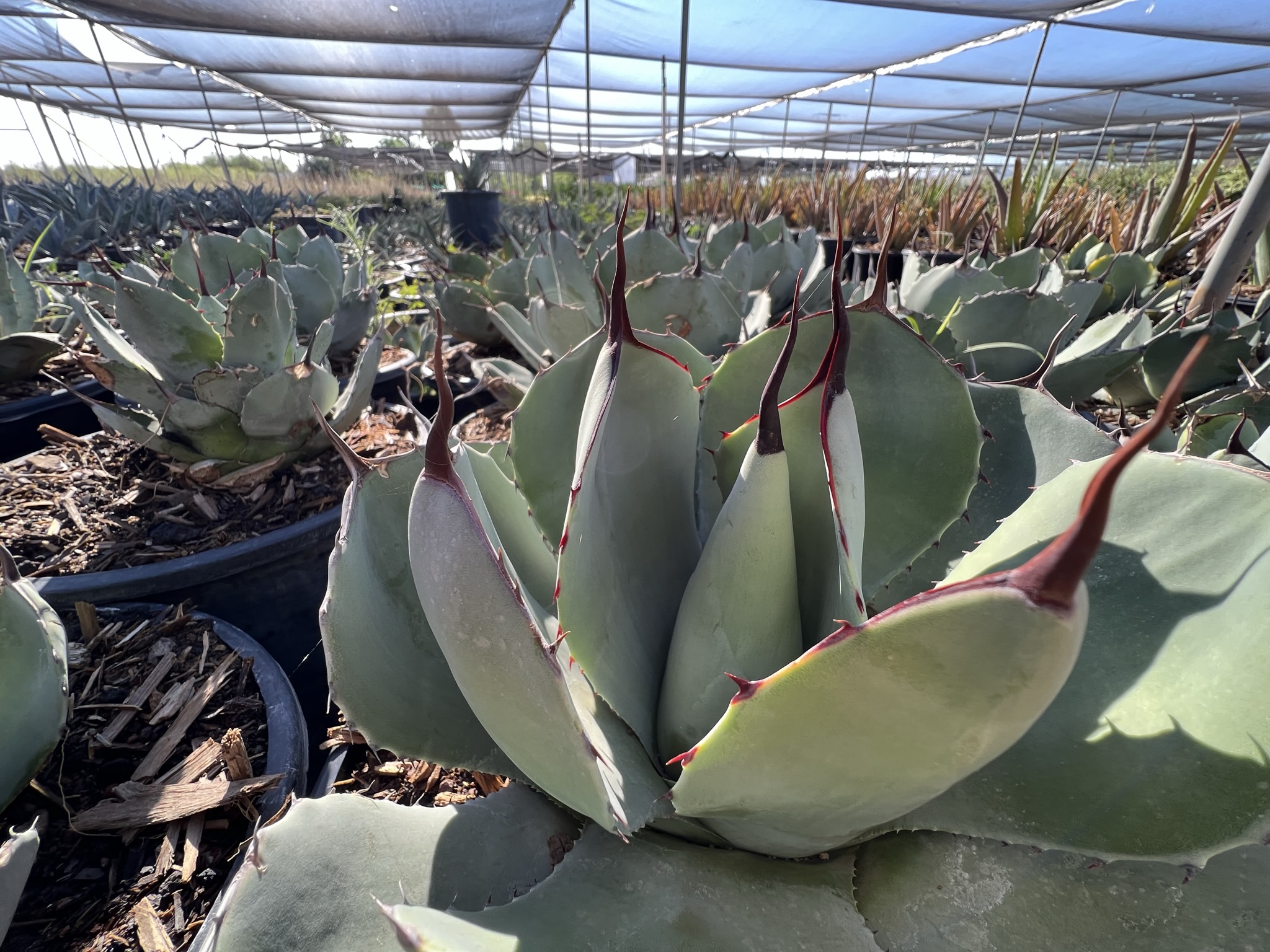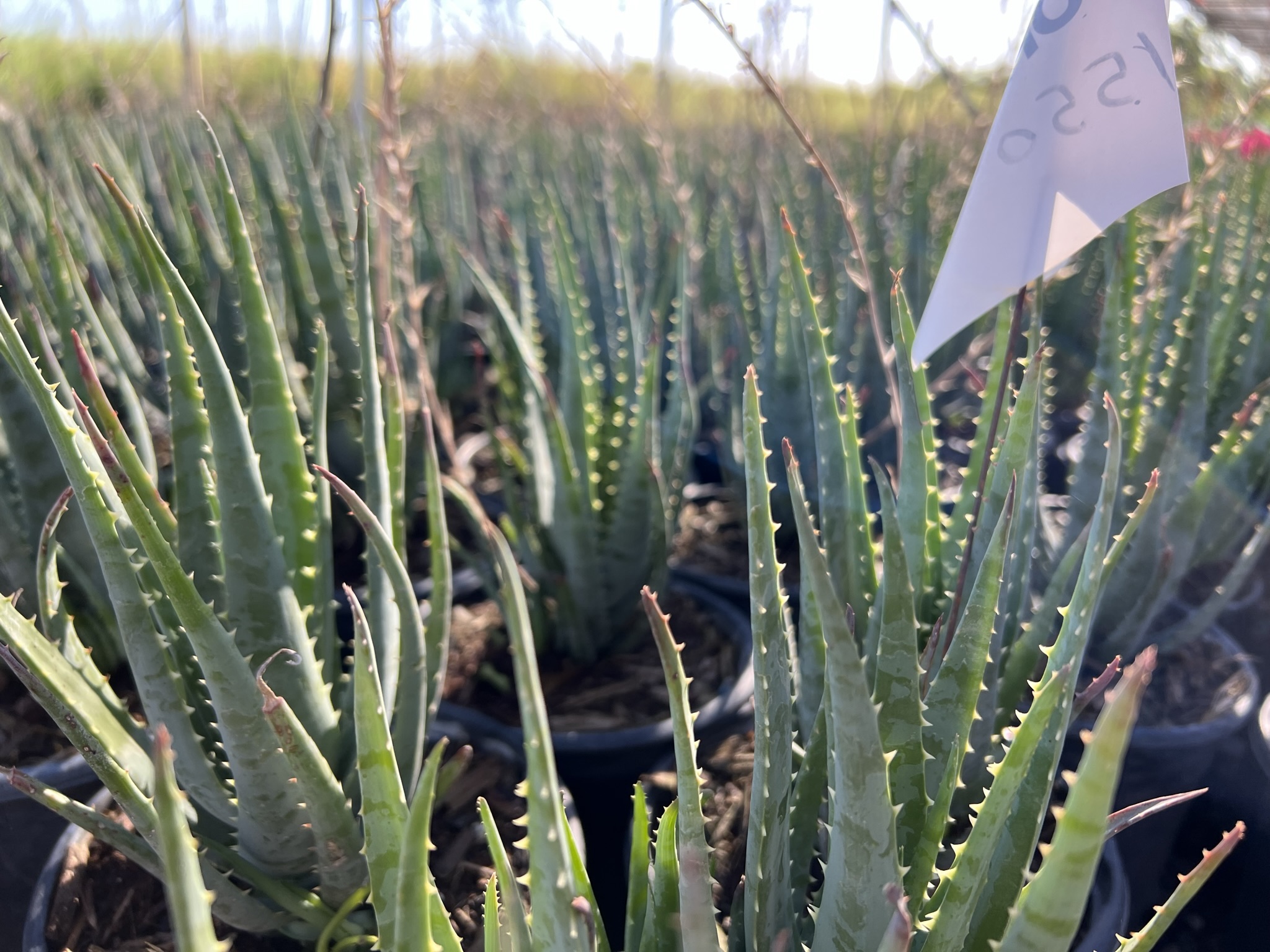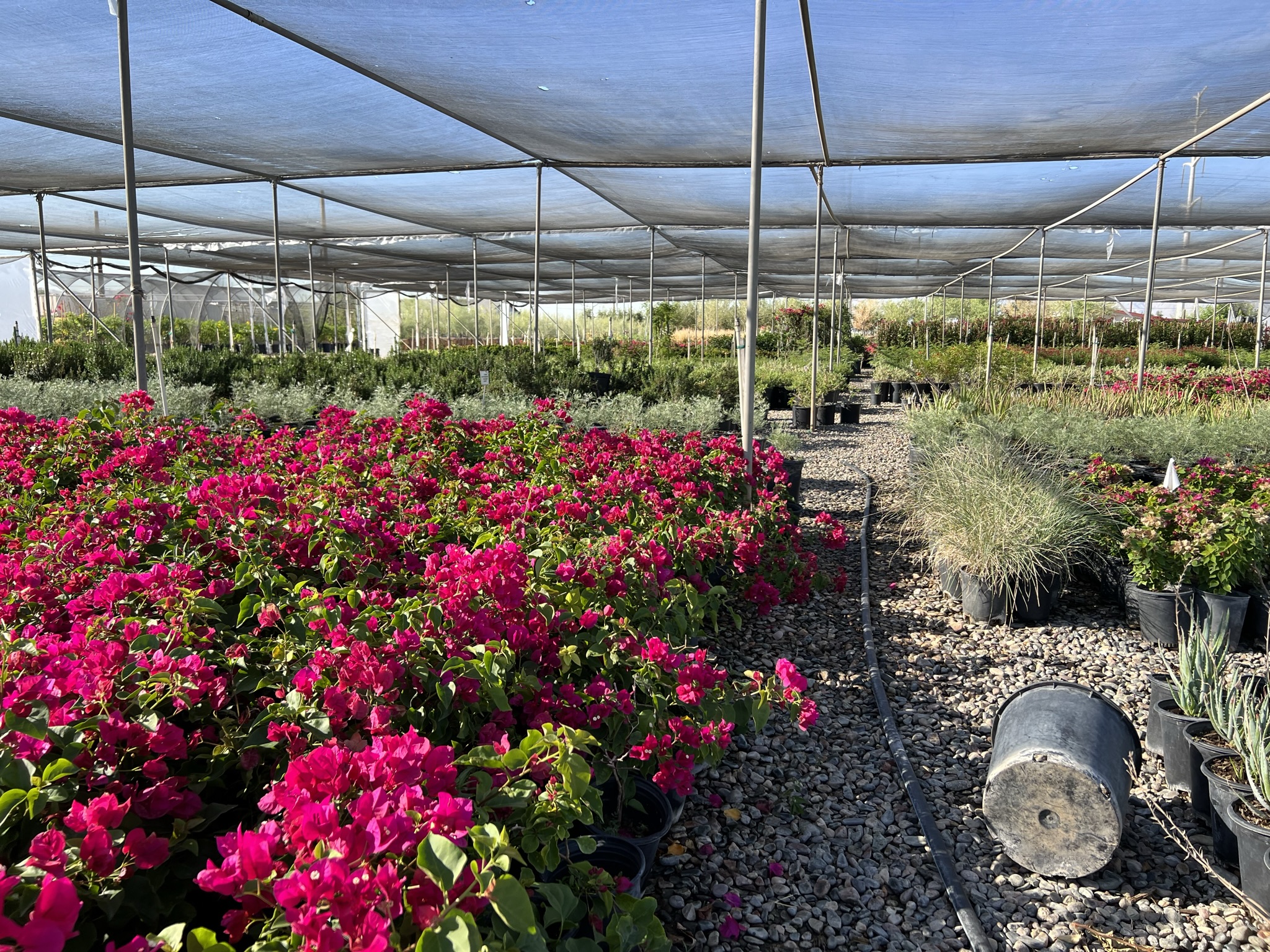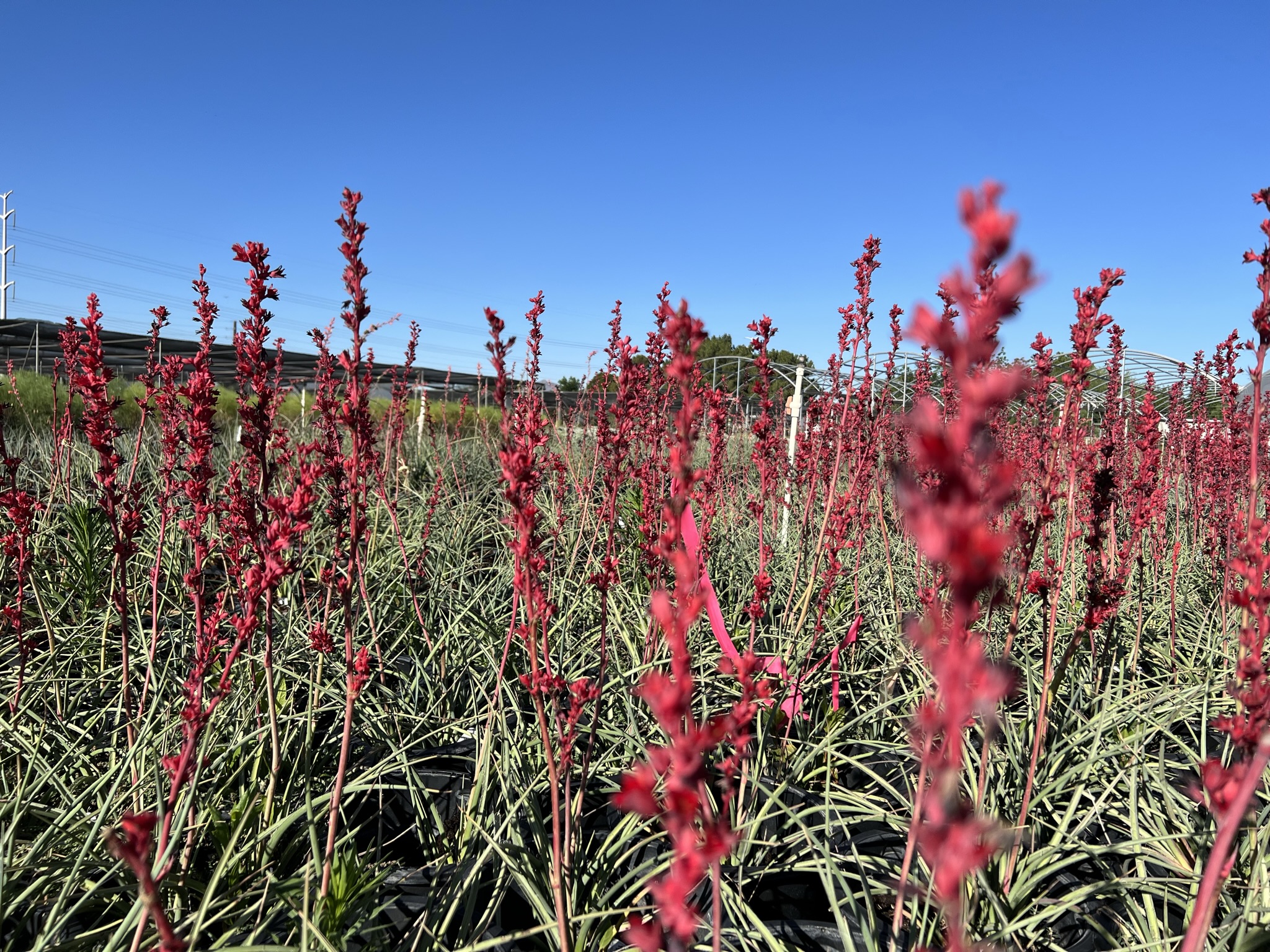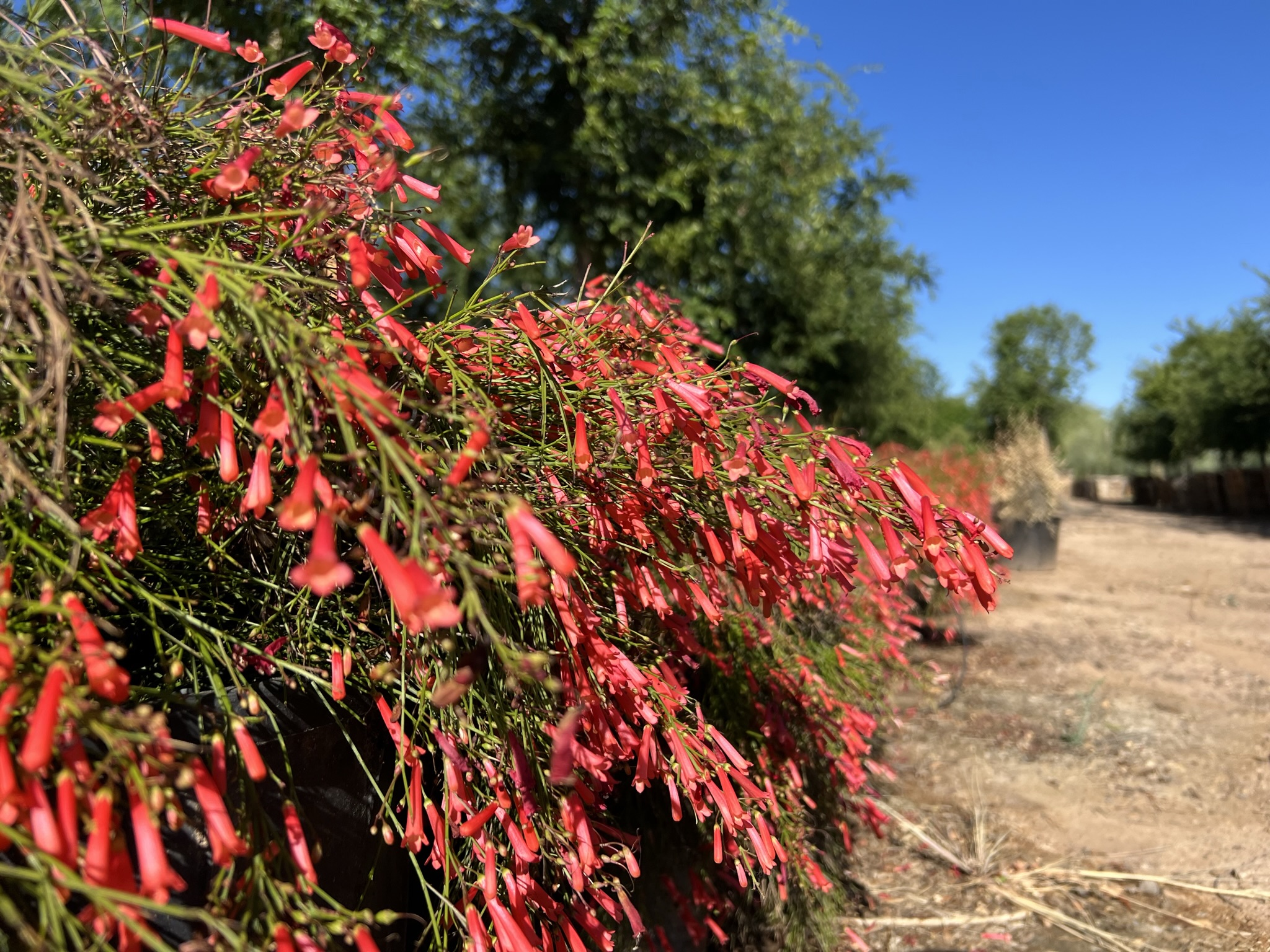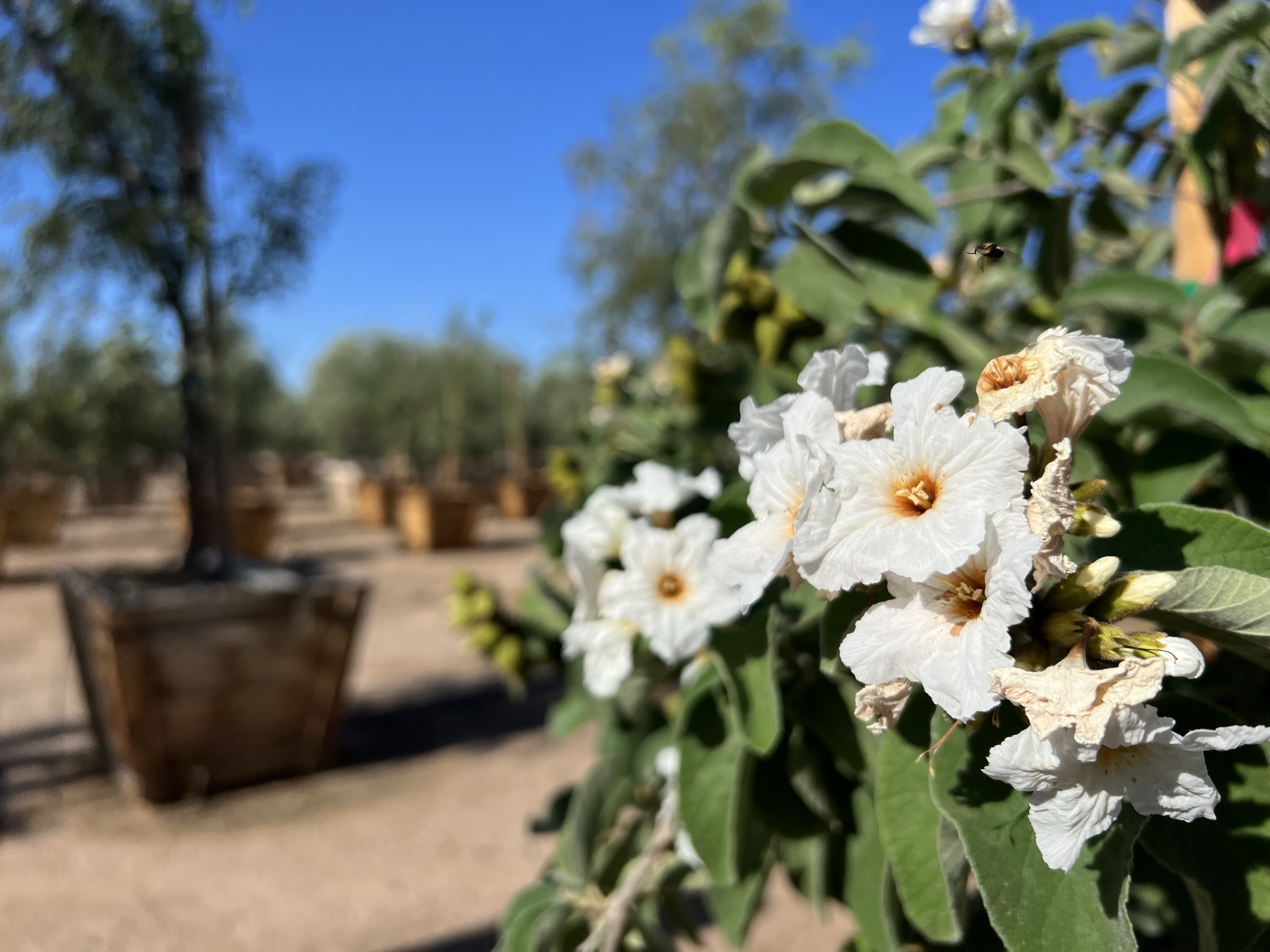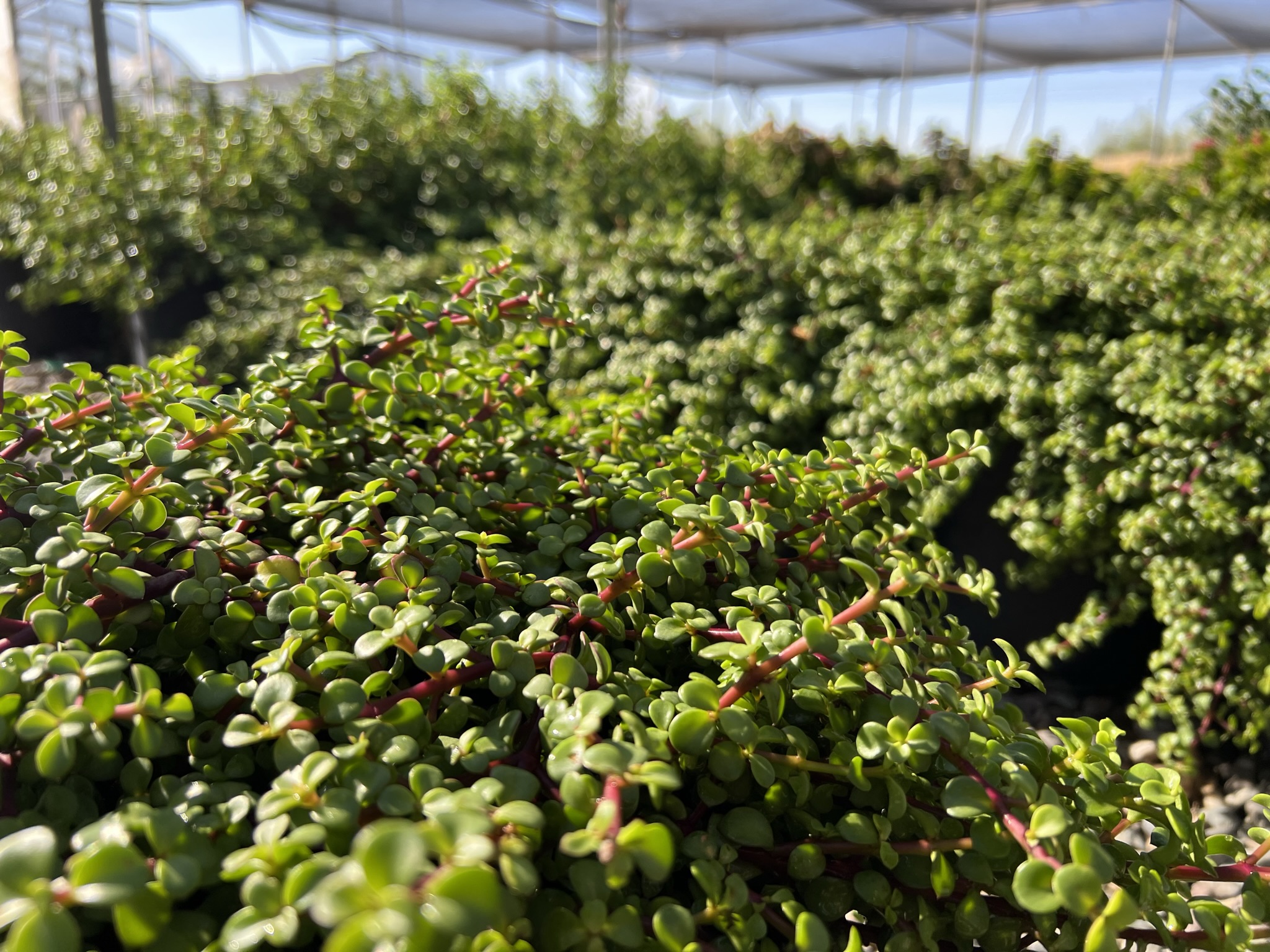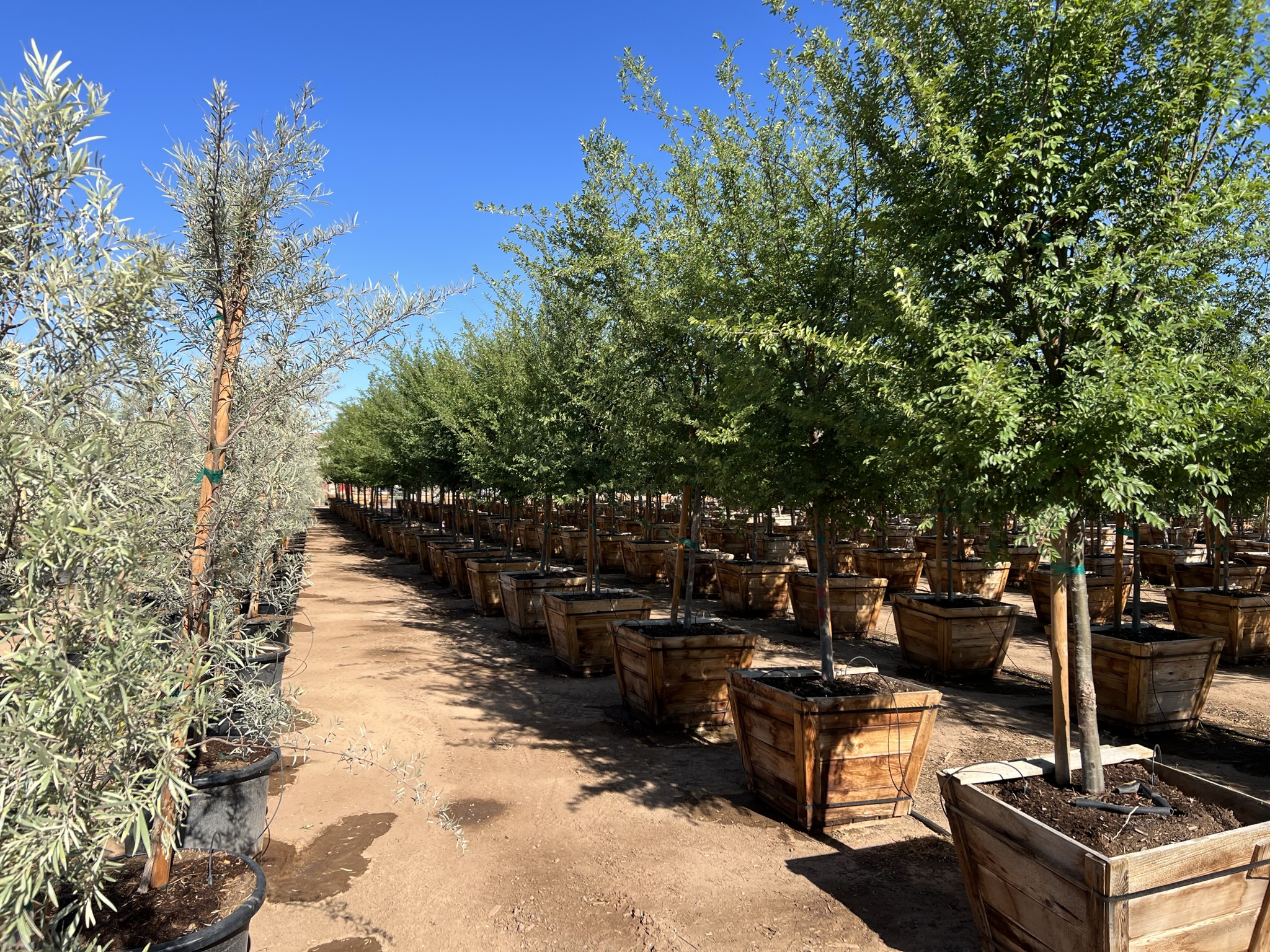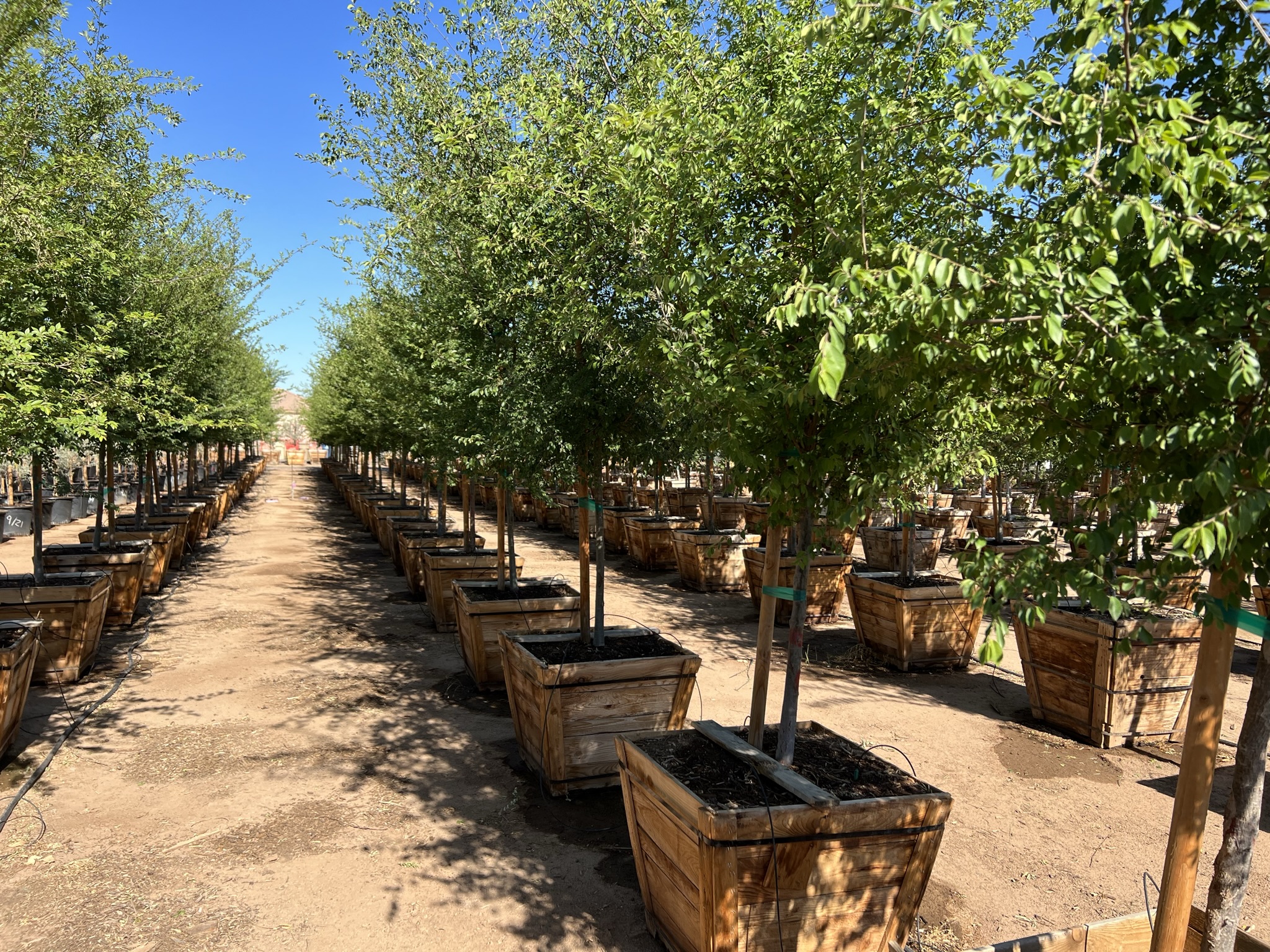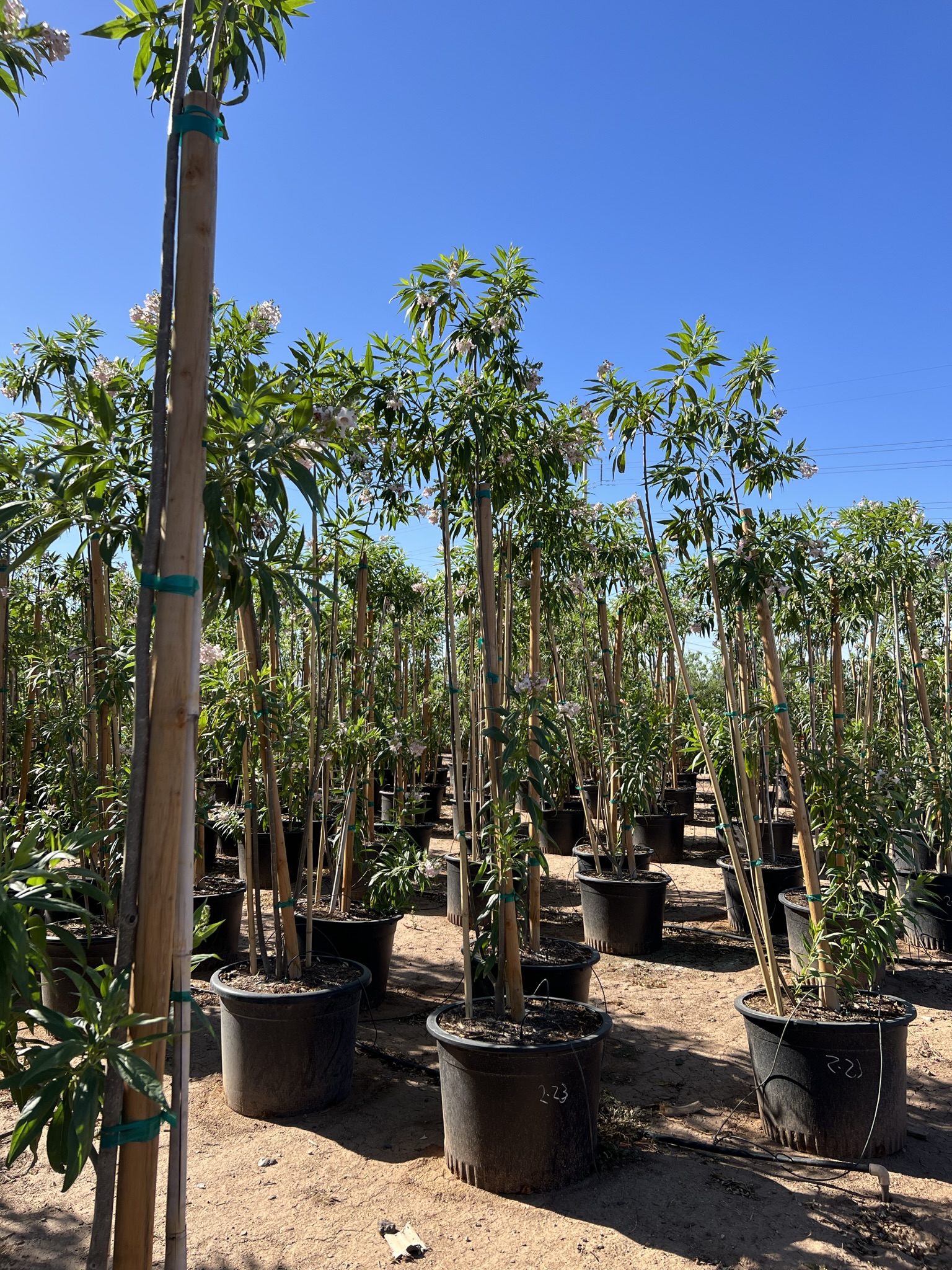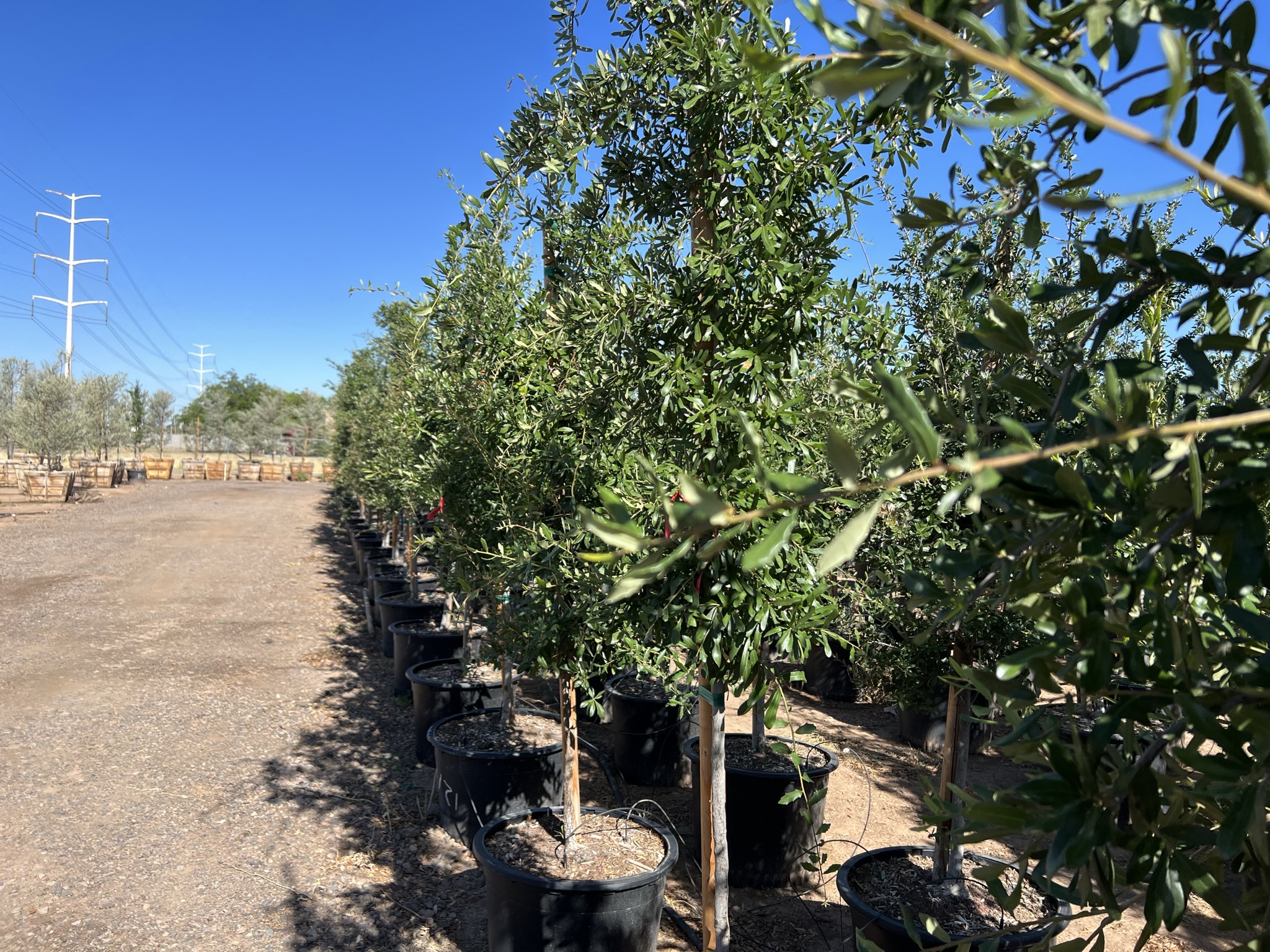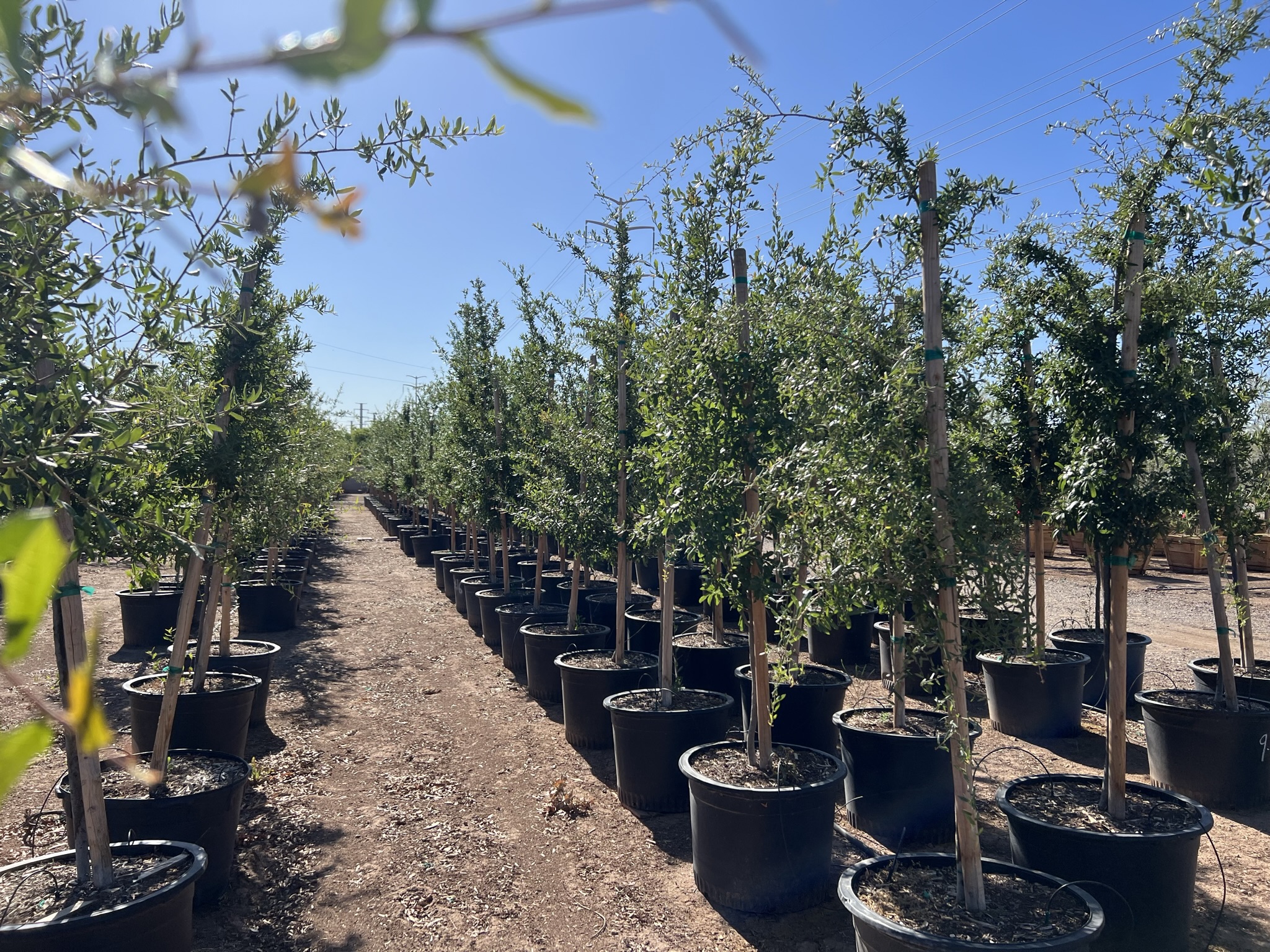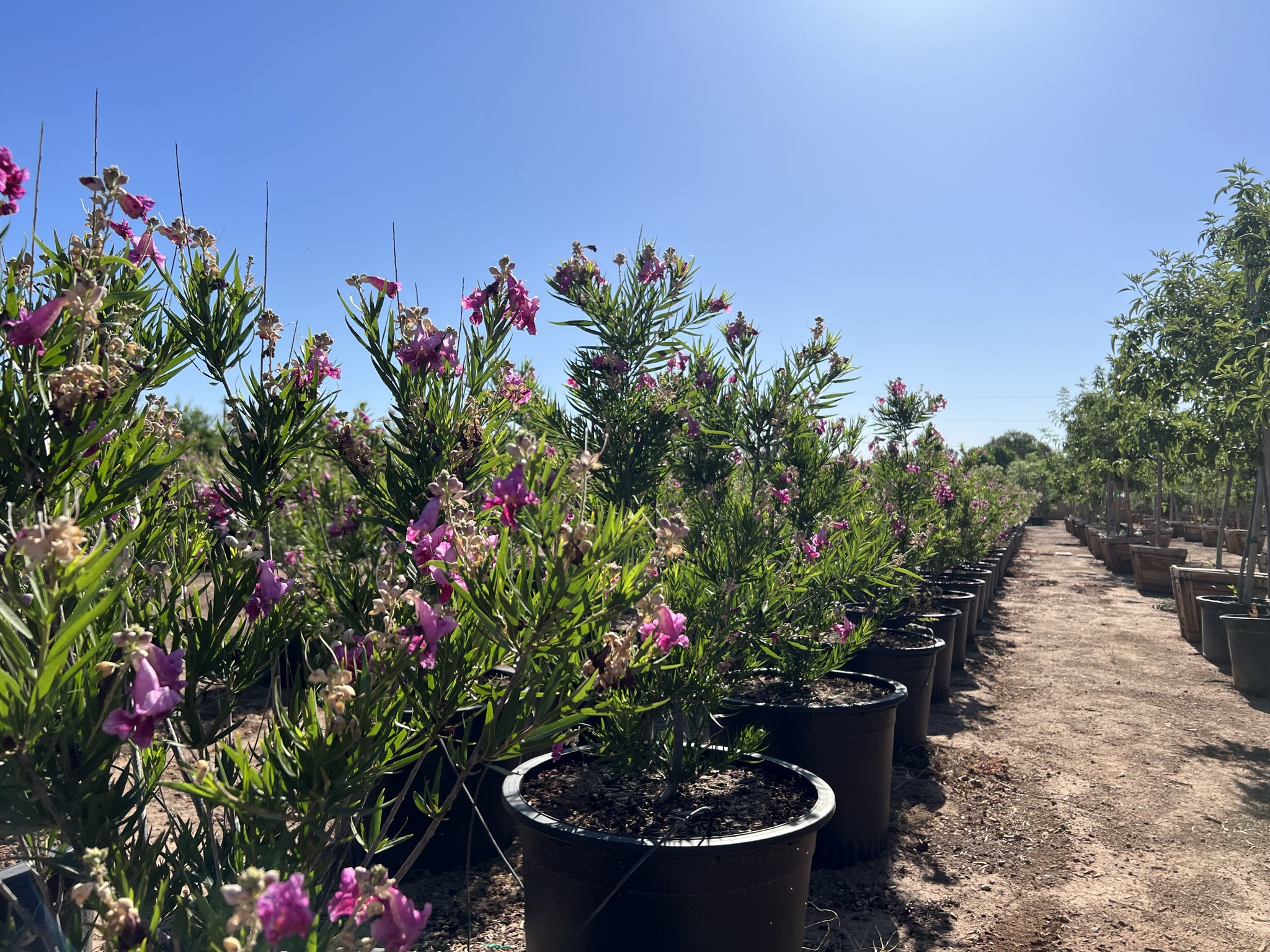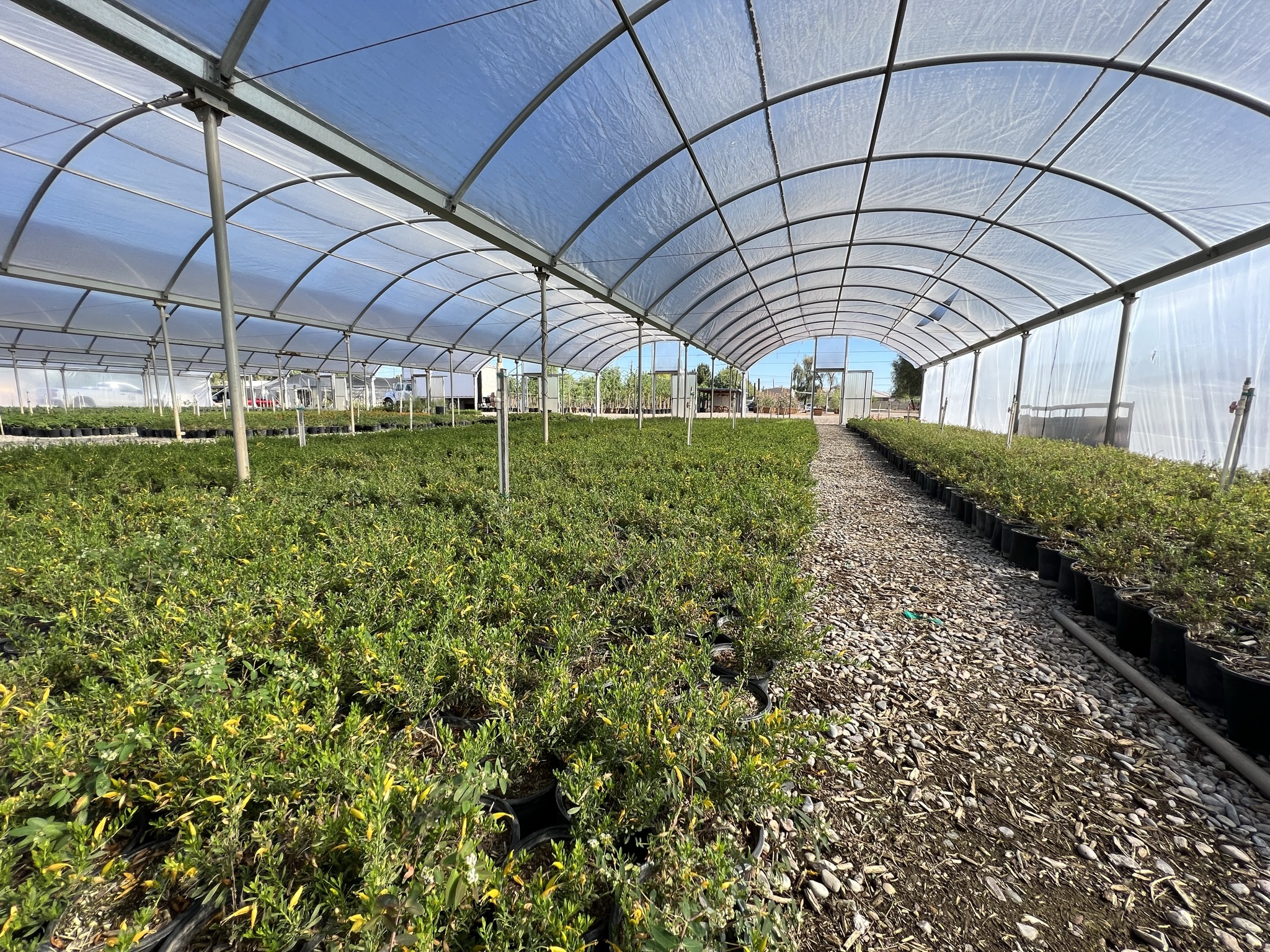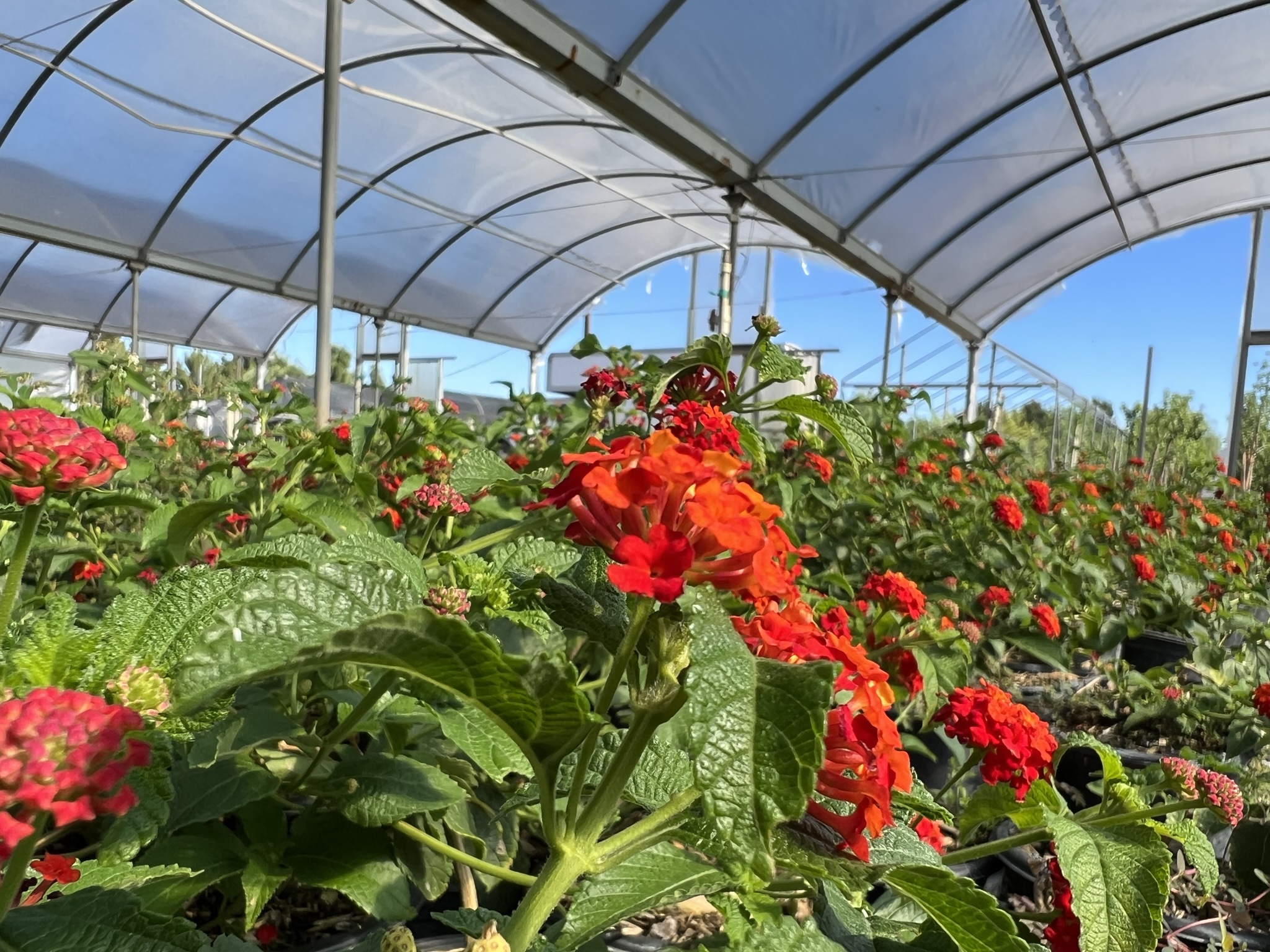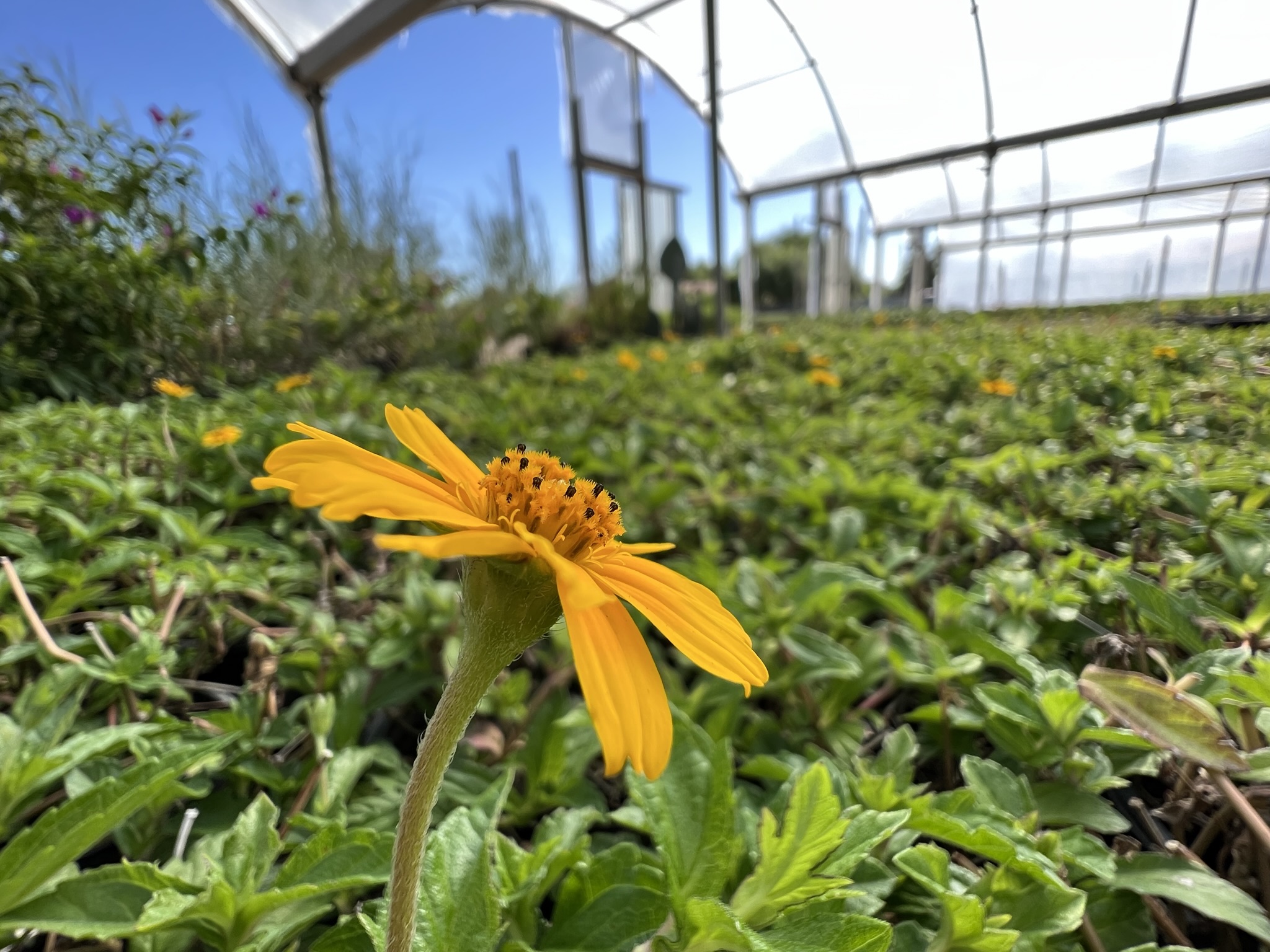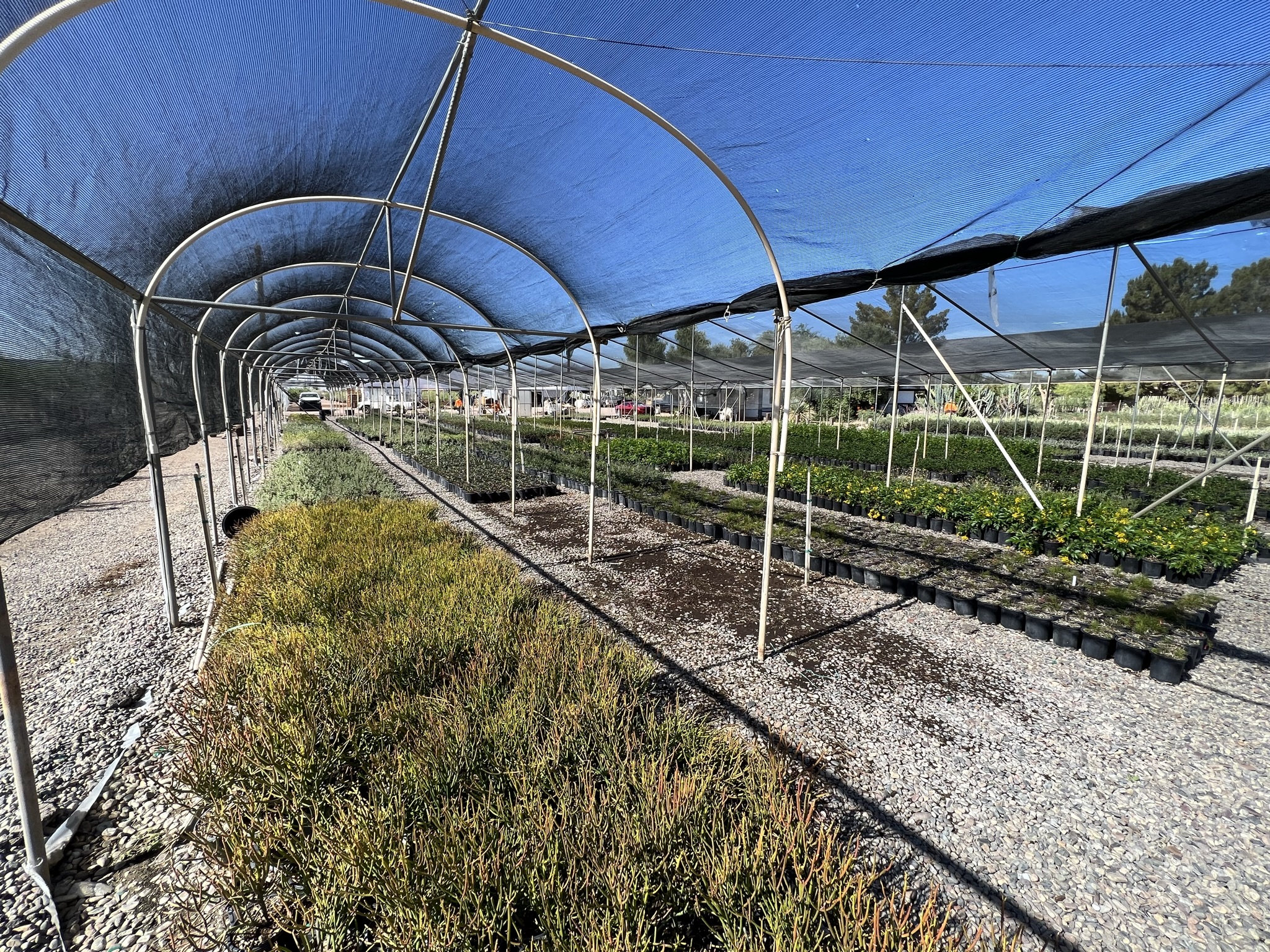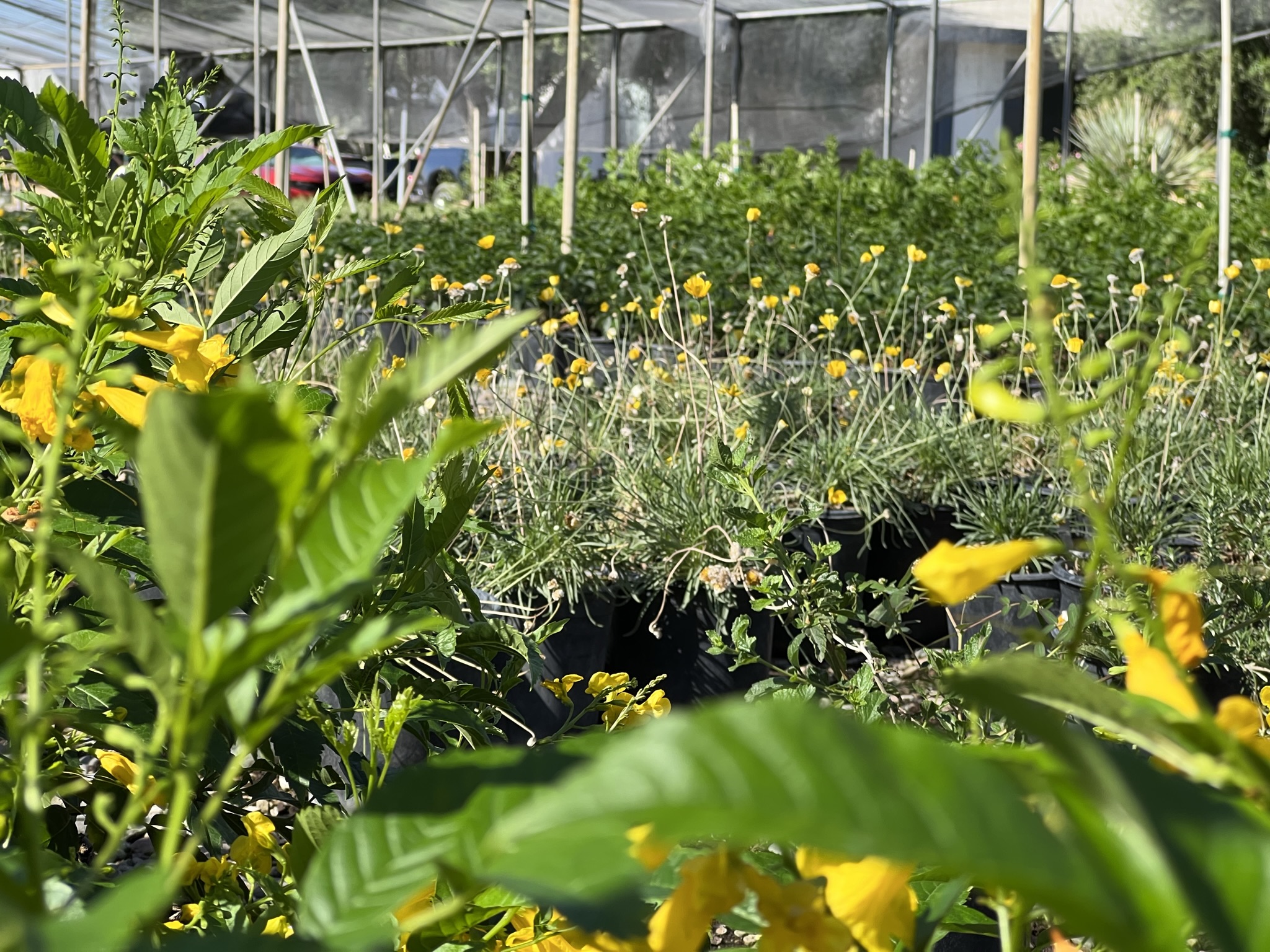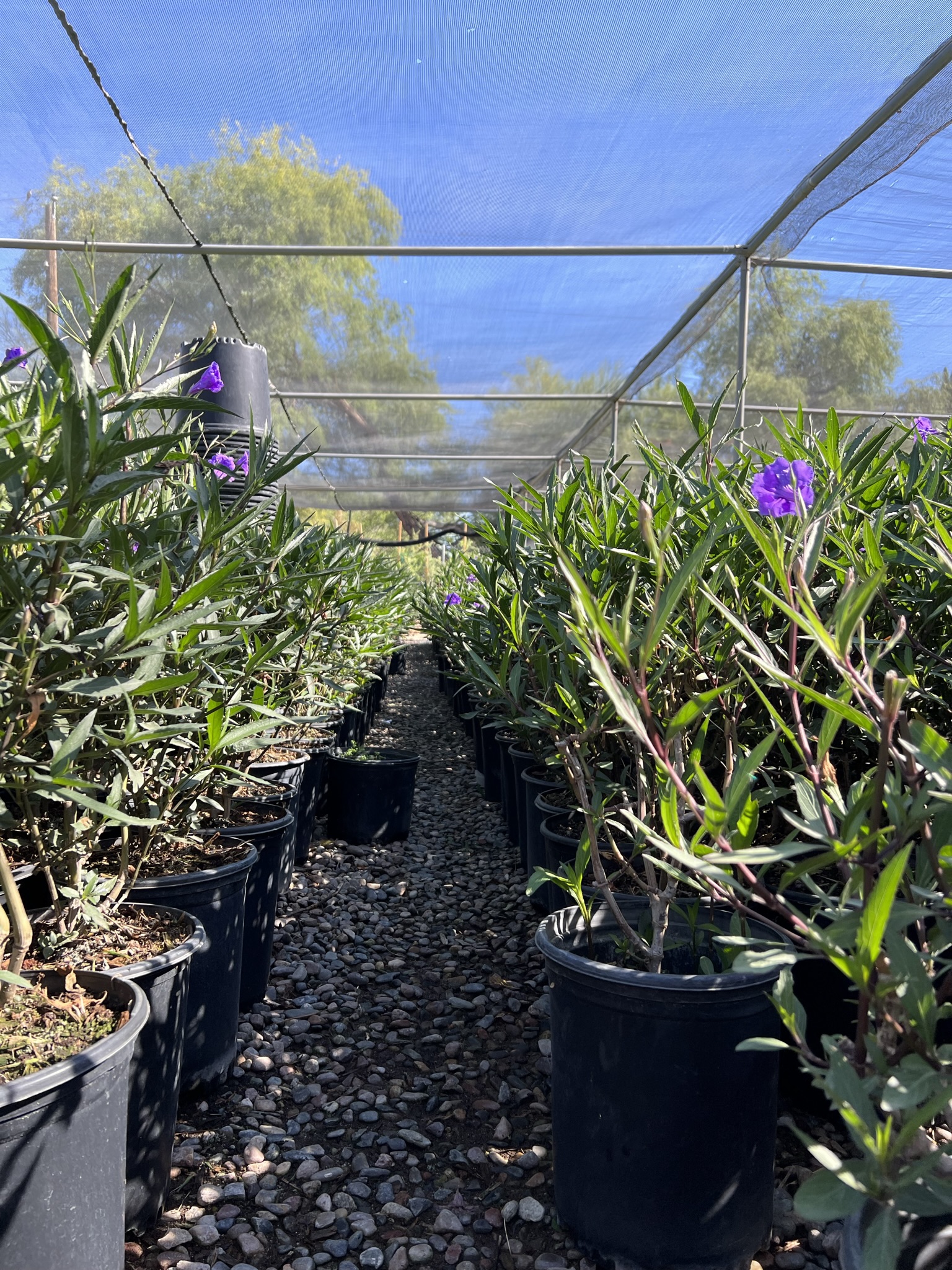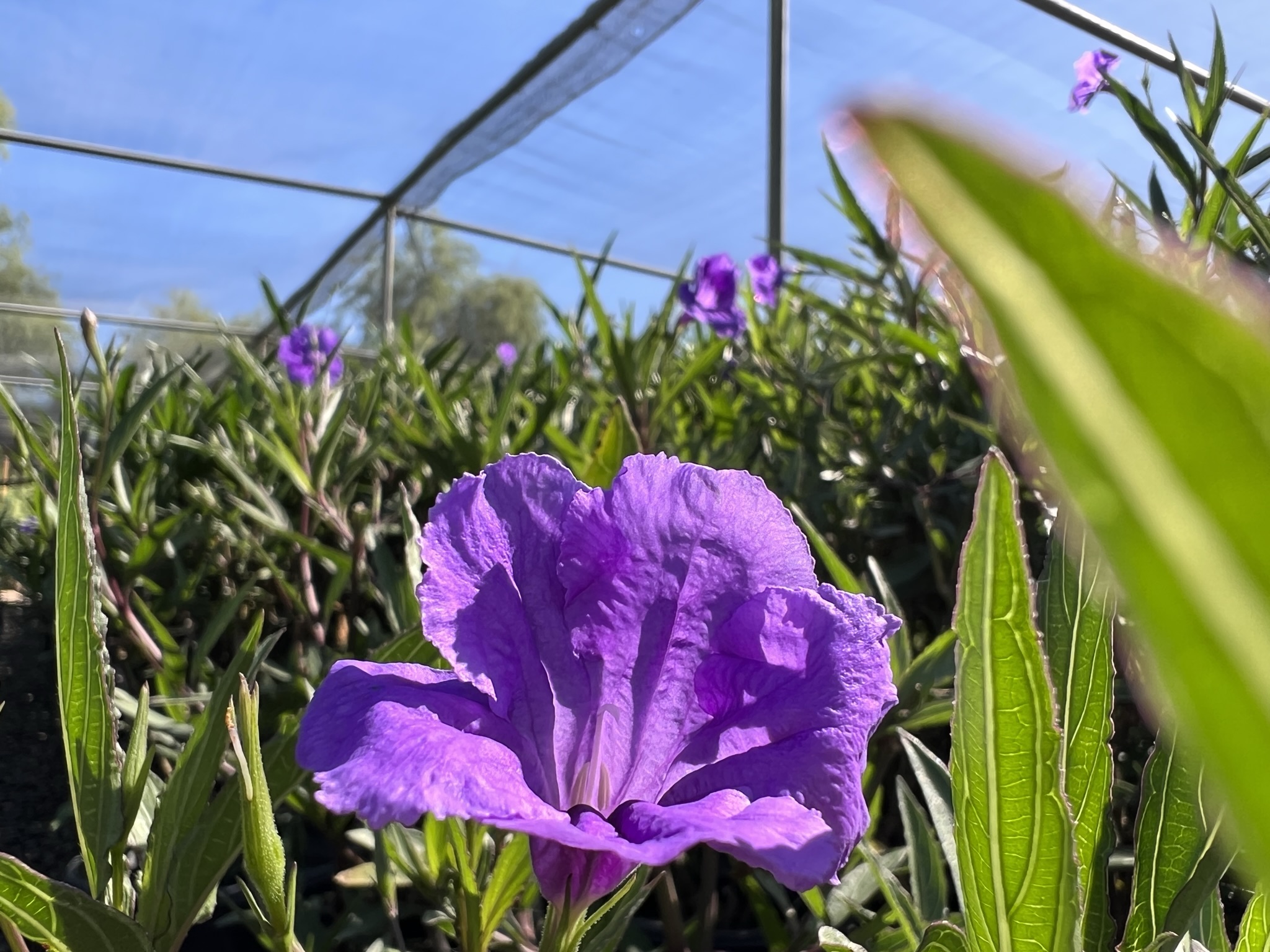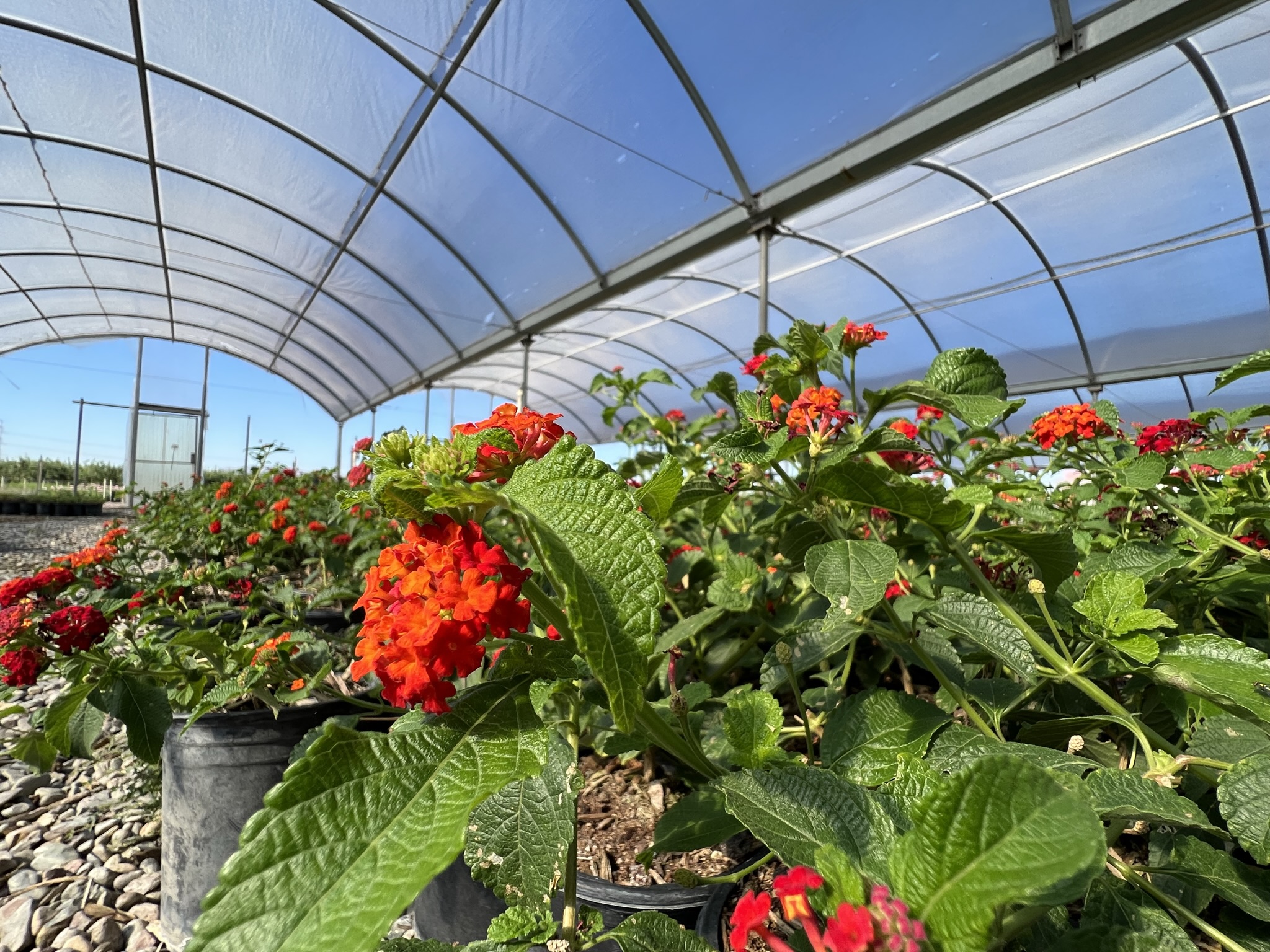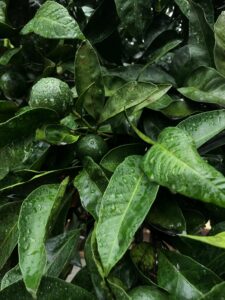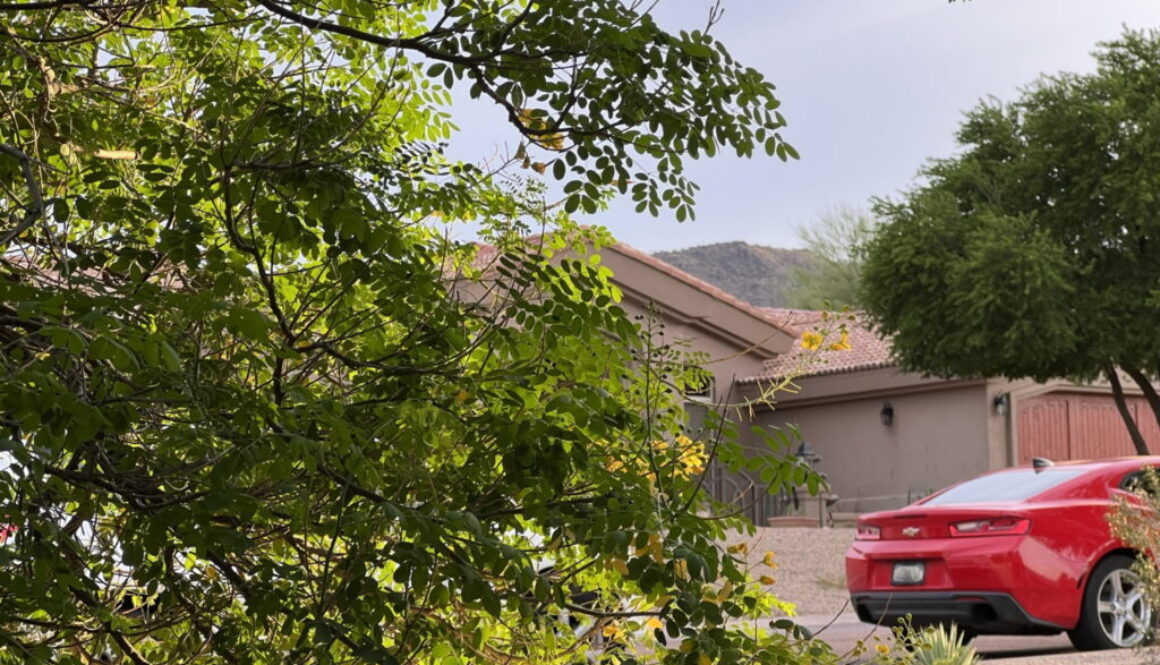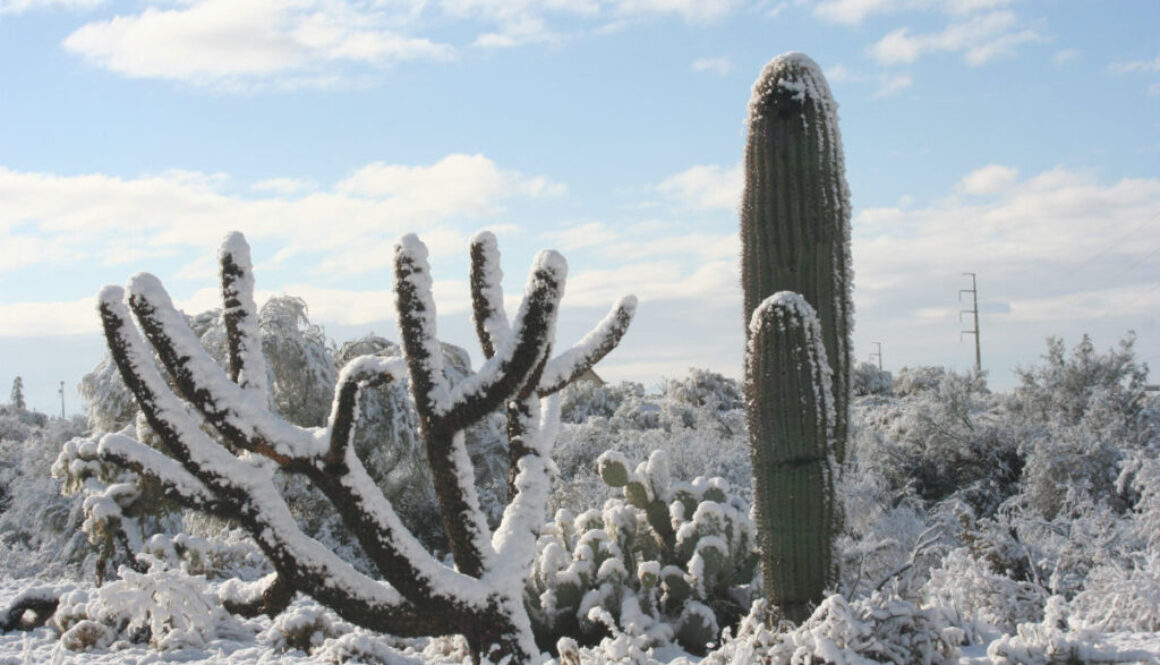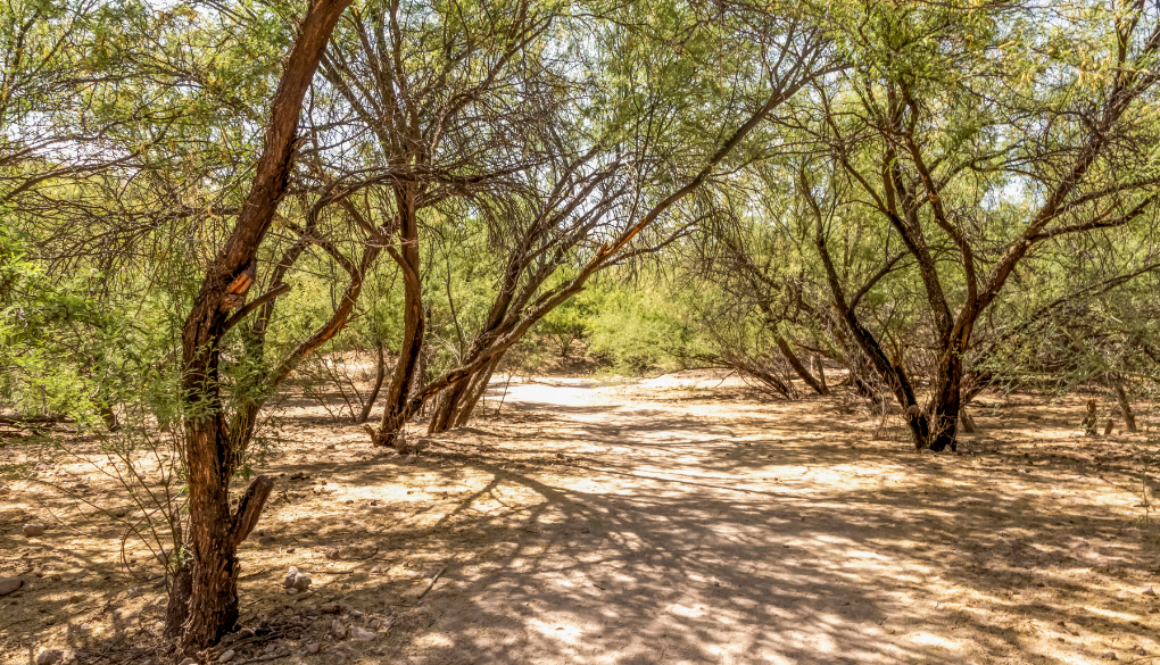
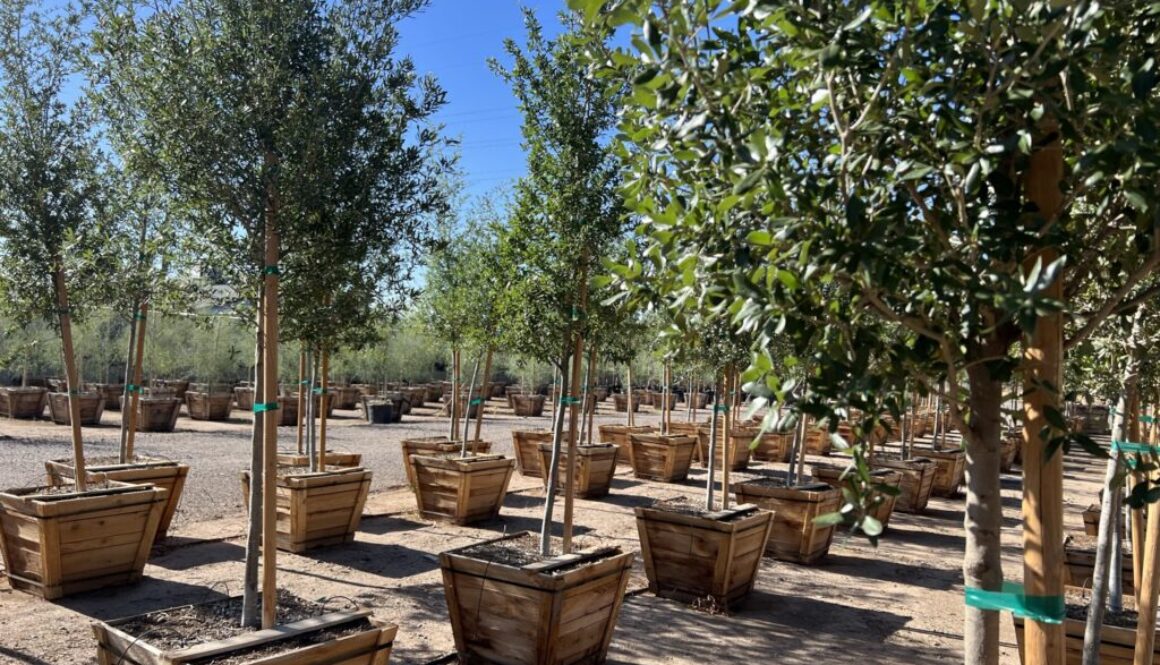
It’s about to officially be summer, which means the tens of thousands of plants at the ELS Wholesale Nursery are looking great!
You can slide through the images to the right for just a few selections of the truly massive quantities of beautiful shrubs, trees, and succulents grown in-house for use in the many developments being built and maintained by ELS Maintenance & Construction.
After the lengthy but wet winter we had, it took a little longer for the spring growth to arrive. But when it did, things BOOMED! Now, our nursery is looking as lush as ever, with plants being sent to job sites daily.
If you’re interested in doing business with us, feel free to request a bid by clicking here.
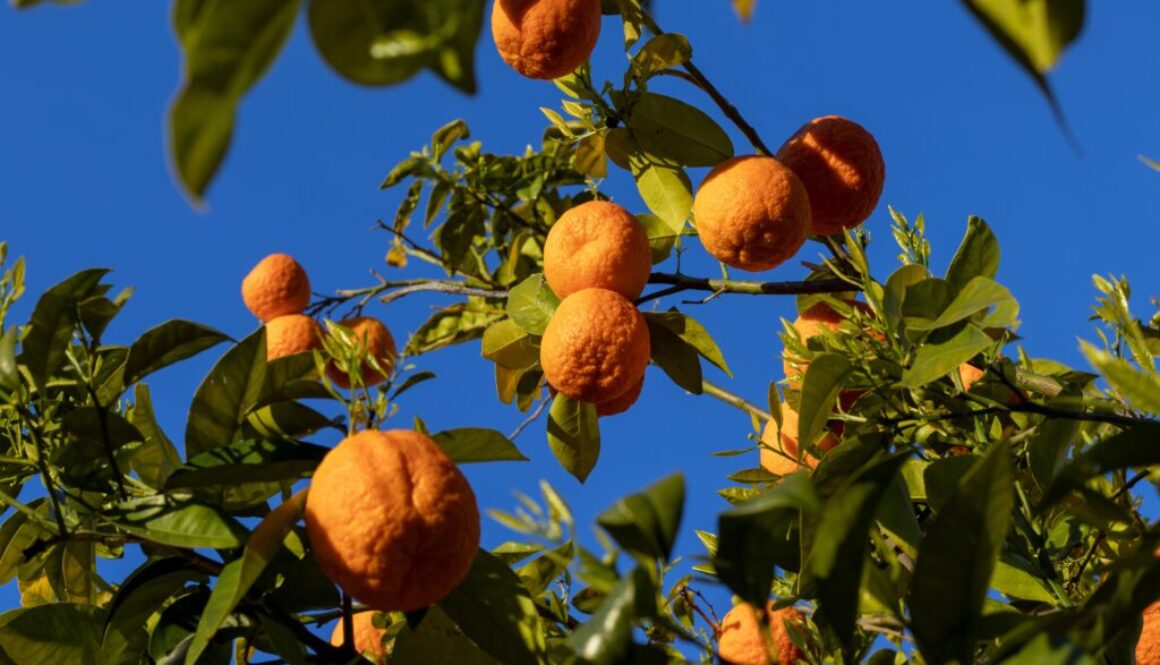
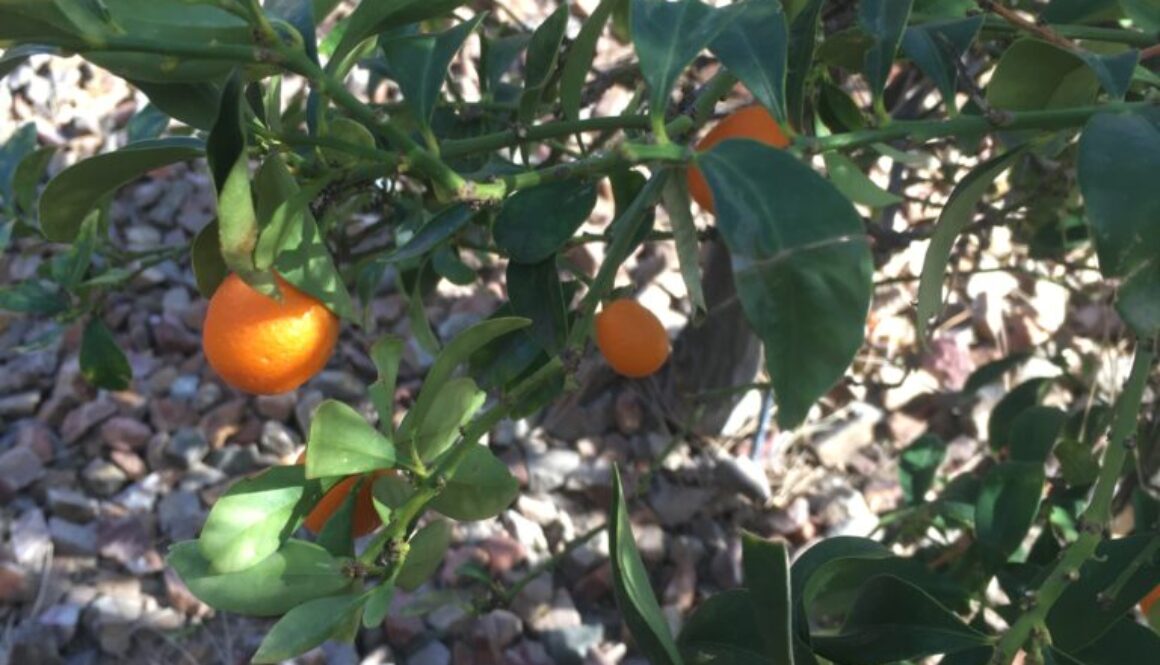
Citrus trees have strong wood that requires minimal pruning. A healthy tree can bear the load of heavy fruit. A common misconception is that a heavily pruned citrus tree will result in new growth and improved fruit quality. In fact, the opposite is true; minimally pruned citrus trees can produce fruit that is of better quality than heavily pruned trees.

Spring is Citrus Pruning Season
If your citrus tree requires pruning, the best months in Arizona are February to April. Best is after the danger of frost has passed but before the tree flowers. Pruning between April and October can expose the tree to sunburn damage, and November to February exposes the tree to potential frost damage.

Regular Maintenance with Minimal Pruning
Citrus trees produce the least fruit in areas of the tree canopy that are most shaded. Thus, your citrus tree may only need to be pruned in the spring to thin out those deeply shaded sections inside the tree canopy, opening them up to sunlight for fruit production.
Year-round maintenance of citrus trees involves regularly snipping off suckers and removing branches that are weak, diseased or dead. As with other trees, a limb that crosses another should also be removed to prevent damage to and consequent disease in the other limbs it touches.
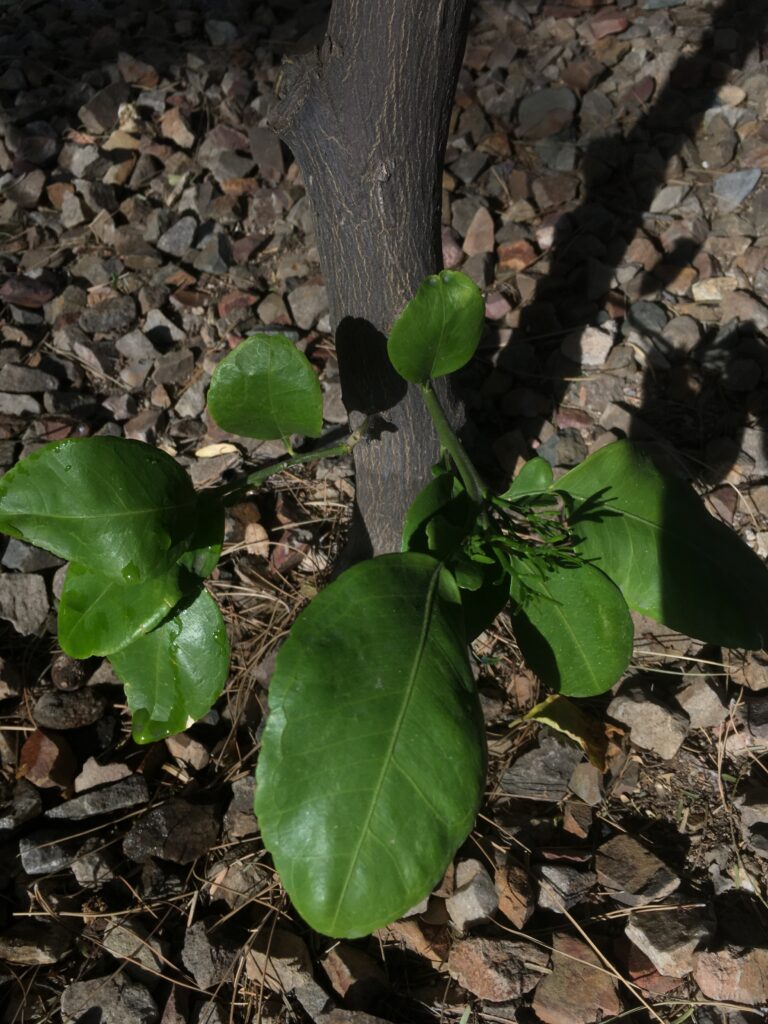
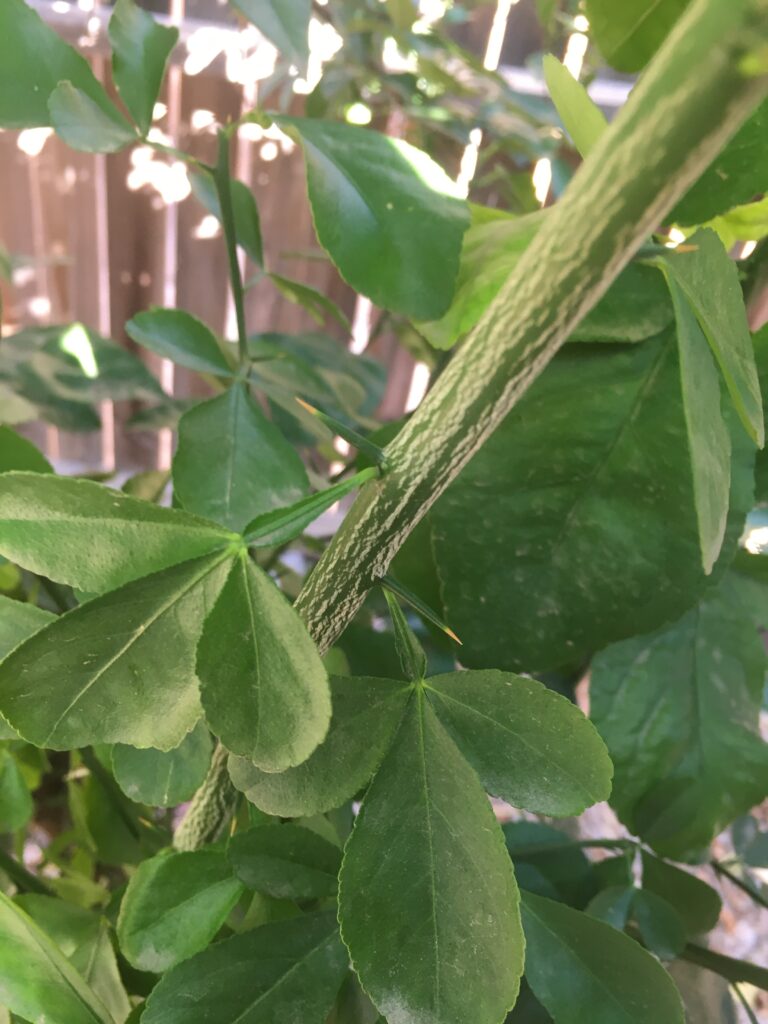
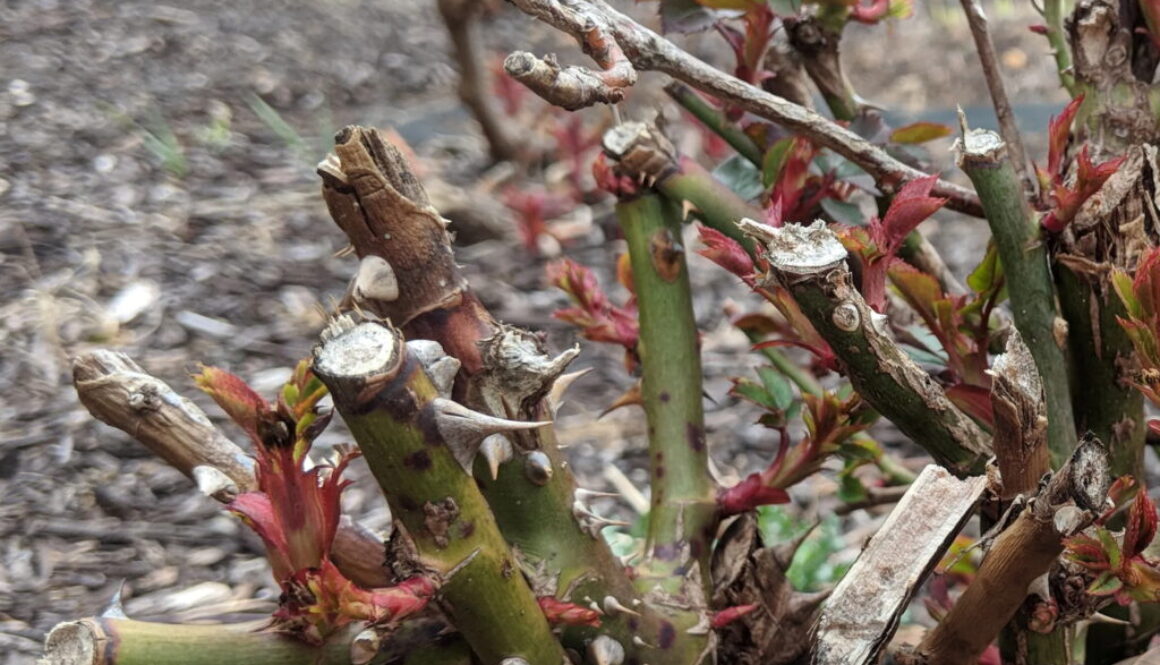
Citrus trees, like roses, are most often grafted varieties onto a base rootstock. Shoots growing up around the base of the trunk or in nearby soil are rootstock suckers that should be removed. They are characteristically thorny and will not produce the desired citrus variety.
Thorny, unproductive varietal branches higher up in the tree can also be removed as part of regular maintenance.
Protect Cuts with Paint
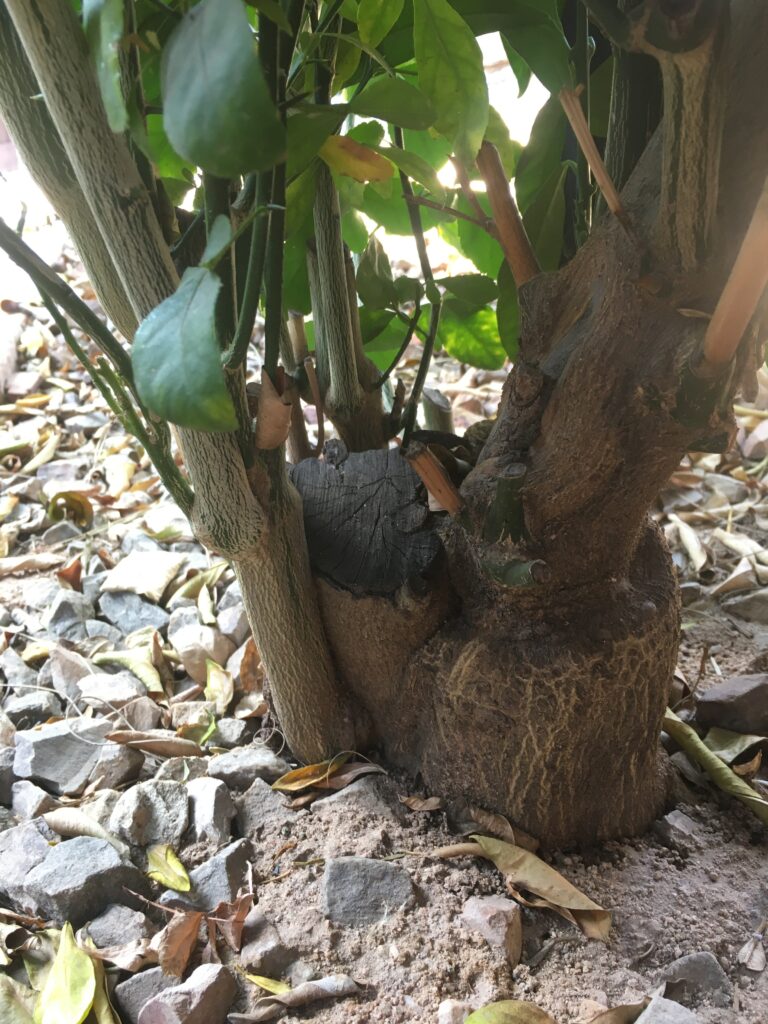
Especially for large cuts, protect the exposed citrus wood by painting it with a 50%/50% mix of latex paint and water. Never use an oil-based paint on citrus.
Want to know more about how you can maintain the investment in your landscape and improve its value? Call ELS at any time at (602)-243-1106 or fill out a request a bid form on our website at www.elslandscapeaz.com
Most of us grow up hearing our parents yell at us that money doesn’t grow on trees. The sassiest of us called them liars because money is paper, and paper comes from trees. What is indisputable, however, is that trees are tangible assets in the urban landscape that increase in value over time. Generally, the bigger and older the tree, the more valuable it is.
Economic and Ecological Worth
To assess the value of a tree, let’s first ask whether we are after its economic or ecologic worth. Economically speaking, one measure is a tree’s perceived contribution to the value of the property on which it is located. Other economic benefits of well-placed trees include providing protection from the weather. Tree canopies provide shade from the sun, and evapotranspiration cools the surrounding air. Tree canopies can slow down winds and reduce the amount of heat a building loses, particularly through its windows. For a homeowner, that sun and wind protection can add up to real savings from lower cooling and heating costs.
A tree’s worth in ecologic terms is even more interesting. Arborists and other scientists geek out on measures that include stormwater runoff interception, energy savings, air quality improvement and CO2 reductions. Trees serve to control urban pollution by reducing stormwater runoff and are considered a rainwater harvesting technique. They intercept and hold rain on their leaves, branches and bark, increasing soil infiltration and storage of rainwater through their roots. They also reduce soil erosion under their canopies by diverting and slowing rainfall before it strikes the soil.
How Trees Work For You
Trees phytoremediate water, taking in trace amounts of otherwise harmful chemicals from the soil and transforming them into less harmful substances that they use as nutrients or store in their tissues. Trees can reduce the level of air particulates and ozone because their leaves absorb ozone, nitrogen dioxide and sulfur dioxide and generate oxygen during photosynthesis. They can also reduce atmospheric carbon by sequestering CO2 in their roots, trunks, stems and leaves while they grow, and in wood products after they are harvested.
i-Tree Design
To quantify and predict the economic and ecological value of one or more trees, use the clever modeling tool from i-Tree Design. This tool uses the tree’s location, species, diameter and condition to let you model your built structures and predict the value of specific tree species over a 1 to 99-year period.
Still, we humans usually plant trees for far simpler reasons—reasons that are rooted in neither economic nor ecologic value. We simply like how they look. They add curb appeal, design interest and sometimes privacy to our yards. We like them for bearing fruit, seeds or nuts. We like how they flower or change color with the seasons. We enjoy them as a source of recreation, like for a tree house, a rope swing or a hammock. And we admire how they are the simplest of homes, supporting local ecosystems of bees, birds and squirrels.
Whatever the value you desire or derive, invest in your landscape and property through proper tree selection, placement, pruning and nourishment.
Soil testing is a good way to assess the health of your soil and make any necessary improvements to soil fertility for more productive plants. Soil testing provides a snapshot of your soil’s current nutritional and material composition.
A big factor in your test will be the pH (acidity/alkalinity) level of your soil, which affects whether or not nutrients already present in your soil are available to your plants. Search the web for “soil pH and nutrient availability” images, which illustrate how pH corrections can improve what your plants access.
There are basic self-test kits available in garden centers and home improvement stores that can be helpful in measuring pH and for identifying nitrogen, phosphorous or potassium (NPK) deficiencies. Or, you can submit a sample to an independent laboratory for a more detailed report that can including other micro- and macronutrients, as well as cation exchange capacity (CEC), organic matter content, and soil structure. Here are the basic soil sampling steps to get your soil analyzed.
Collect a representative sample
From the area you wish to sample, like a planter bed, vegetable garden, lawn, or even a single pot, create a composite sample of the area’s soil. Use a professional soil probe or dig down 6-8 inches into the root zone to collect several small soil samples. Deeper samples are useful for measuring salt buildup. Collect the samples when the soil is the driest and mix them together. Then, per your specific lab’s instructions, use a clean, dry bag or container to package up the consolidated sample, minus any plant roots or rocks.
Submit your consolidated sample for analysis
There are many choices for soil testing: home test kits from garden centers, test-by-mail services, cooperative extension services, or independent laboratories, which cater to agronomy industry professionals and whose reports can seem highly technical.
The lab you choose will give you specific instructions for submitting your sample for analysis. Follow the instructions carefully to ensure the accuracy of your results.
Understand your results
For many homeowners, this is sometimes the most intimidating step in the soil testing process. For most self-test kits, a color chart will help you read whether your pH and NPK levels are over, under or within range. Mail-order services generally include results together with written reports that help to explain the nutrient levels and advice for why and how to correct. Testing laboratories catering to industry often test for a broader range of micro- and macronutrients, but the reports may list numeric results with little interpretation. A good beginners’ resource for understanding soil test results is at https://extension.psu.edu/soil-test-results-whats-next-guide-for-homeowners.
Amend your soil
There are so many possible variations for what your soil remediation may involve that we cannot cover them here. Still, no matter your soil test results, adding organic matter to your soil is the best remedy for poor soil. The process may take several years to improve your soil, so start now by adding compost or top-layering with various organic matter like mulch, manure, grass clippings and leaf debris to decompose into your soil. You can even start making your own compost from kitchen peelings and plant debris. A good sign your soil is improving is an increase in earthworms and beneficial funghi, microbes and nematodes.
For immediate corrections to macronutrient NPK deficiencies, look to common fertilizers to correct for the levels you need. You will find the amendments you need at local garden centers. Follow package instructions carefully for proportions and mixing.
Everything is coming up roses. Here in the Valley, January is the ideal month for pruning roses. It’s also time to get your bare-root roses into the ground and to relocate any established roses planted in an unfavorable location.
Rose pruning season begins once the danger of frost has passed, when daytime temperatures are below 70 degrees Fahrenheit, and while roses have ceased blooming. Prune roses before Valentine’s Day, when temperatures rise and bud eyes swell with new growth.
Know your rose
The purpose of pruning roses is to stimulate new spring growth and to achieve the greatest number of quality blooms. Most roses respond best to drastic pruning, so don’t be nervous. It’s always best to first confirm the types of roses you have—hybrid tea, floribunda, miniature, climbing, rambling, groundcover, etc.—so you can prune your rose to its best potential shape and size. This article focuses on pruning bush roses like hybrid teas and floribundas.
Cut for shape
Begin by using sharp, clean loppers and pruning shears/secateurs sterilized with isopropyl (rubbing) alcohol to prevent spreading plant pathogens. For bush roses, the objective is to achieve a vase-shaped plant (open in the center) and to have 5-12 remaining canes that are roughly knee height, 18-24 inches tall; more vigorous, established plants may have more canes.
While you are cutting, take note of discolored or diseased leaves or insects present to properly address any problems. Seal cuts with commercial cut sealant or school glue. Lastly, clear all clippings from underneath the rose to prevent mildew and disease.
What to prune in winter
Here are general rules of thumb for what to remove in the pruning process:
At least one quarter to one third, but no more than one half, of the previous year’s growth
Dead or diseased canes
Crossing, rubbing canes
Limbs less than the thickness of a pencil
Old, unproductive canes
Suckers below the graft union (on hybrid teas)
What to prune in other seasons
At other times of the year, keep your roses in shape by snipping off spent blooms just above the next lowest leaflet of five leaves (i.e., deadheading) and by removing any dead or diseased canes.
Rose care annual calendar
For more tips about caring for your roses year-round, download the Arizona Rose Societies’ calendar on https://rosegarden.mesacc.edu/documents/azrosesocietiesrosecarecalendar.pdf. The links to Arizona rose societies at the end of the document will help you connect with other rose enthusiasts in your area.
With a little knowledge and planning, you can protect your landscape plants—and your investment—from frost damage. In Arizona, we can get frosts from about Thanksgiving to Valentine’s Day.
As a rule of thumb, it’s important to know that younger, dehydrated and actively growing or flowering plants are most at risk for frost damage.
As the weather cools, plants naturally “harden off” by slowing their new growth and ceasing blooms. Therefore, it’s important to protect landscape plants both from frost and from budding or blooming too soon before the danger of frost has passed. Still, the faster the drop in temperature, the lower the temperature and the longer the exposure, the more at risk any plant is to frost damage.
Select frost-tolerant plants. Native plants will fare the best in all temperatures, whereas tropical plants may suffer in the cold. To find a plant’s temperature hardiness, search https://www.amwua.org/plants, AMWUA’s Plants for the Arizona Desert
Keep soil appropriately moist. Although water requirements for different plant species vary year-round, it’s important to know that frost damage can be more severe in dehydrated plants. And, although it seems counterintuitive, it’s beneficial to water plants before a predicted frost because water releases energy in the form of heat when it cools, thereby warming the foliage above ground.
Cover at night. Each night a frost is predicted, drape over sensitive plants a cloth that touches the ground, allowing warmth from the ground to fill the resulting dome structure. Remove the cover in the morning so the ground warms up again the next day. If you need to keep plants covered for multiple days, look for purpose-designed frost cloths or frost blankets. Do not use plastic because it freezes.
Choose warm locations. Frost-sensitive plants will be better protected when they are sheltered, when they are exposed to full daytime sun (south and west sun are best) or when they are located near rocks, walls or benches, which radiate daytime warmth.
Resist pruning. Pruning stimulates new plant growth, which can be even more susceptible to frost. Do not prune frost-damaged plants until spring, after the danger of frost has passed.
Wrap tree trunks. For young citrus and other frost-sensitive trees, loosely wrap the trunk from the lowest foliage down to the ground using multiple layers. Leave wrapped for the winter.
Add heat. Add incandescent lights or string lights below the foliage because their heat radiates upward. LED lights do not generate sufficient heat for this purpose.
If the weather forecast shows low nighttime temperatures, refer back to these 7 tips to prevent frost damage to your sensitive plants. You’ll be protecting their shape and giving them a head start on budding and blooming when spring comes.
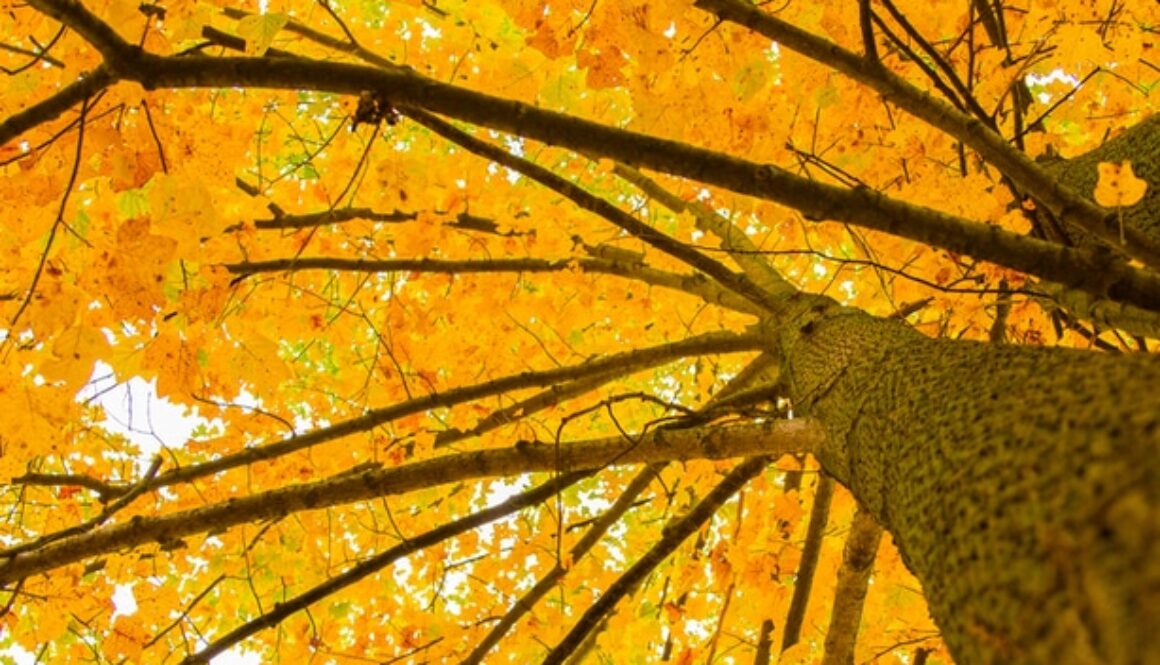
By Northeastern U.S. standards, fall tree color comes to Arizona late in the season. Here in the Sonoran Desert, we might see our deciduous trees change to the iconic reds, oranges and yellows of autumn between October and sometimes January. Think of it this way—Arizonans get to enjoy an even longer leaf peeping season.
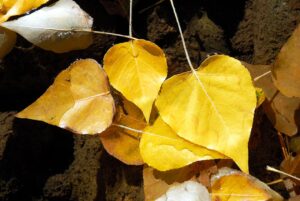
Detail of Yellow Fremont Cottonwood Leaves in Autumn Stream
The Science Behind the Colors
Getting a little scientific for a moment, leaves change color on deciduous trees, trees that shed their leaves in the winter, as opposed to evergreen trees, which tend to keep their leaves on their branches throughout the year. In the warm months, trees are busy producing food to grow. That process is called photosynthesis and produces chlorophyll, which creates the green color in leaves. When seasonal temperatures cool and the amount of daylight shortens, most trees slow down their growth and photosynthesize less. As chlorophyll production declines, other pigments that are always present in leaves gradually dominate over the green. In trees where the leaves turn yellow and orange in the fall, carotenoids are the pigments you see showing through in the leaves. In leaves that turn red to purple in the fall, you see the anthocyanin pigments come through.
Leaf Peeping in Arizona
To leaf peep in Arizona, look along our many waterways and riparian areas. You’ll spot fall color dotting our lower elevation cities, but the most showy fall tree varieties tend to be very large and generally aren’t suitable for urban landscapes. So head for the hills, where you are likely to see a preponderance of native trees that change color in autumn.
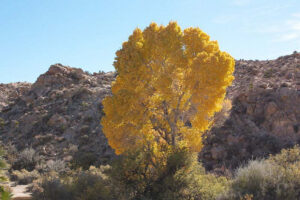
Easy to spot where there’s flowing water, Fremont Cottonwood (Populus fremontii) trees turn a gorgeous yellow in fall. Deep red leaves characterize tall Texas red oak (Quercus texana or Quercus buckleyi), the oak variety that is more common in urban landscapes and at lower elevations, while the shorter Gambel oak (Quercus gambelii) grows at higher elevations and shows in bright yellow and orange. At higher elevations, look along streams for the orange fall leaves of Arizona sycamore (Plantanus racemosa var. wrightii), for gold on quaking aspen (Populus tremuloides) and for light yellow on the Arizona walnut (Juglans rupestris var. major).
Add Showy Trees at Home
Want to add some fall color to your home landscape? This author is partial to the shape and color of the non-native Chinese pistache (Pistacia chinensis) tree, whose red and orange anthocyanins and carotenoids burst through in fall. Another tree for urban landscapes is the Arizona ash (Fraxinus velutina), and cultivar ‘Modesto’ is known for particularly splendid yellows. The boxelder (Acer negundo) ‘Sensation’ cultivar turns light pink in fall. In smaller spaces like patios, Pomegranates (Punica granatum) are excellent choices, with stunning reds and oranges, plus edible fruit in autumn. (Note, however, that dwarf varieties of pomegranate will give you a colorful autumn show but produce inedible fruits.)
This is by no means a comprehensive list of native or desert-adapted plants that change colors in autumn in Arizona, but now you have a little bit of the science behind the transformation in leaf color and a lot of pointers on what to look for on your leaf peeping escapades between now and January.
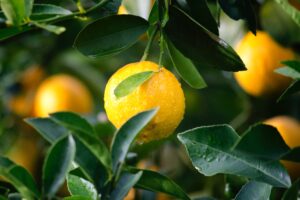
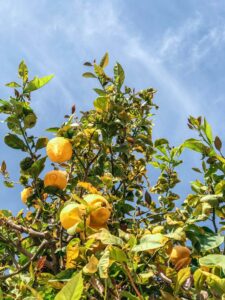
Citrus trees have strong wood that requires minimal pruning. A healthy tree can bear the load of heavy fruit. A common misperception is that a heavily pruned citrus tree will result in new growth and improved fruit quality. In fact, the opposite is true; minimally pruned citrus trees can produce fruit that is of better quality than heavily pruned trees.
Spring is Citrus Pruning Season
If your citrus tree requires pruning, the best months in Arizona are February to April. Best is after the danger of frost has passed but before the tree flowers. Pruning between April and October can expose the tree to sunburn damage, and November to February exposes the tree to potential frost damage.
Regular Maintenance with Minimal Pruning
Citrus trees produce the least fruit in areas of the tree canopy that are most shaded. Thus, your citrus tree may only need to be pruned in the spring to thin out those deeply shaded sections inside the tree canopy, opening them up to sunlight for fruit production.
Year-round maintenance of citrus trees involves regularly snipping off suckers and removing branches that are weak, diseased or dead. As with other trees, a limb that crosses another should also be removed to prevent damage to and consequent disease in the other limbs it touches.
Citrus trees, like roses, are most often grafted varieties onto a base rootstock. Shoots growing up around the base of the trunk or in nearby soil are rootstock suckers that should be removed. They are characteristically thorny and will not produce the desired citrus variety.
Thorny, unproductive varietal branches higher up in the tree can also be removed as part of regular maintenance.
Protect Cuts with Paint
Especially for large cuts, protect the exposed citrus wood by painting it with a 50%/50% mix of latex paint and water. Never use an oil-based paint on citrus.
Want to know more about how you can maintain the investment in your landscape and improve its value? Call us at (602)-243-1106 or fill out a request a bid form by clicking here.
Water, water, water! Water is one of the most important things you can give your landscape- especially in the Summer months! In fact, according to the University of Arizona College of Agriculture, plants use 3-5 times as much water during Summer as they do during Winter months. To ensure you are efficiently watering your trees as temperatures rise, you should be aware of how water absorption works, the amount of water you should be giving your tree, and the best techniques for administering that water.
Water Absorption in Trees
While many people may think the best place to water a tree is near the trunk, the most active water absorption area is actually located at the drip line and beyond. The drip line is the area that can be found under the ends of the tree’s canopy and is also known as the Critical Root Zone. This is where trees shed rain water and it works as a storage tank for the plant to draw nutrients and water from when needed. While that may seem far from the base of the tree, most tree roots actually spread 1 to 4 times as wide as the canopy!
Evapotranspiration is a process where trees can move water through their roots, branches, trunks, and leaves- ensuring that all parts of the tree receive water. In the Summer, when the temperatures are high and the ground is dry, trees find water to be a more limited resource and have to choose where to delegate that water- with the leaves typically being the ones that suffer the drought. Common signs that a tree is not absorbing enough water is yellowing/browning of leaves or complete leaf drop-off.
Amount of Water to Give Trees in the Summer
The amount of time that you should be watering your trees and plants depends on a variety of factors including the weather, soil status, size of tree/plant, and type of irrigation system. A good rule of thumb is to water the root zone at the indicated depth (based on size of the tree) and not any deeper than that so as to cause wasted water. If your soil is shallow or compacted, be sure to water more often but for less time and water younger plants more often than you would older plants to prevent wilting in the Summer months.
How to Water Your Trees Efficiently
There are multiple different systems for irrigating your trees and each has its own set of pros and cons of use. Drip Systems, Bubblers, Soaker Hoses, and Sprinklers are all common ways to ensure your landscape is getting the irrigation it needs. For more information on the differences in these systems, click here.
To make sure you are watering in a way that will not harm the tree or waste water be sure to avoid spraying water on leaves (salts in the water can harm the leaves), water your tree separately than your turf if your tree is planted in a turf area, control weeds near your trees and plants, and expand the watering area as the tree grows.
Spring is right around the corner and with that comes the beautiful bloom of some of our favorite plants and trees here in the Valley. One noteworthy item that is expected to bloom quite early this season is the Purple Leaf Plum tree. This tree is known for its fragrant pink/purple flowers and its shrub-like shape that it takes on during bloom. It is also known as being one of the first trees to start blooming in the early Spring, with an estimated start date around the end of January for Arizona communities.
Tree Maintenance
The Purple Leaf Plum tree is a great option for communities not only because of its ornamental nature and the beauty it supplies but also because it is relatively low maintenance and heat tolerant. This tree can withstand both heat and drought, common here in the Arizona desert, and thrives when there is ample sunlight. In fact, large amounts of sunlight are what makes this tree produce the beautiful pink, purple, and white flowers that it is known for.
Maintenance that can be expected for this tree species involves pruning on an annual basis and additional pruning when necessary, water and feeding practices as needed, and cleanup of fruit and leaf drop. Though this tree is beautiful with the leaves on it, this species is notorious for having quite a bit of leaf drop and should not be planted near busy walkways or sites where there is heavy foot traffic.
Pruning
The Purple Leaf Plum tree is a small to mid-size tree that has a rounded growth pattern, similar to that of a shrub. Typically, its blossoms produce leaves that are 1-3 inches long and it can yield round fruit that ripens in late Summer. These trees do not always bear fruit and are typically chosen for their ornamental flowers rather than for their fruit, as fruit can attract unwanted mites and flies. These trees will need annual pruning to control flowering/fruit growth and achieve desired shape.
Keep an eye out for the bloom of the Purple Leaf Plum trees as they are sure to be the start to other bloom happening in plant species throughout your landscape!
Interested in Arbor Care for your HOA community or commercial property? Request an Arbor Bid or submit a general inquiry here.